

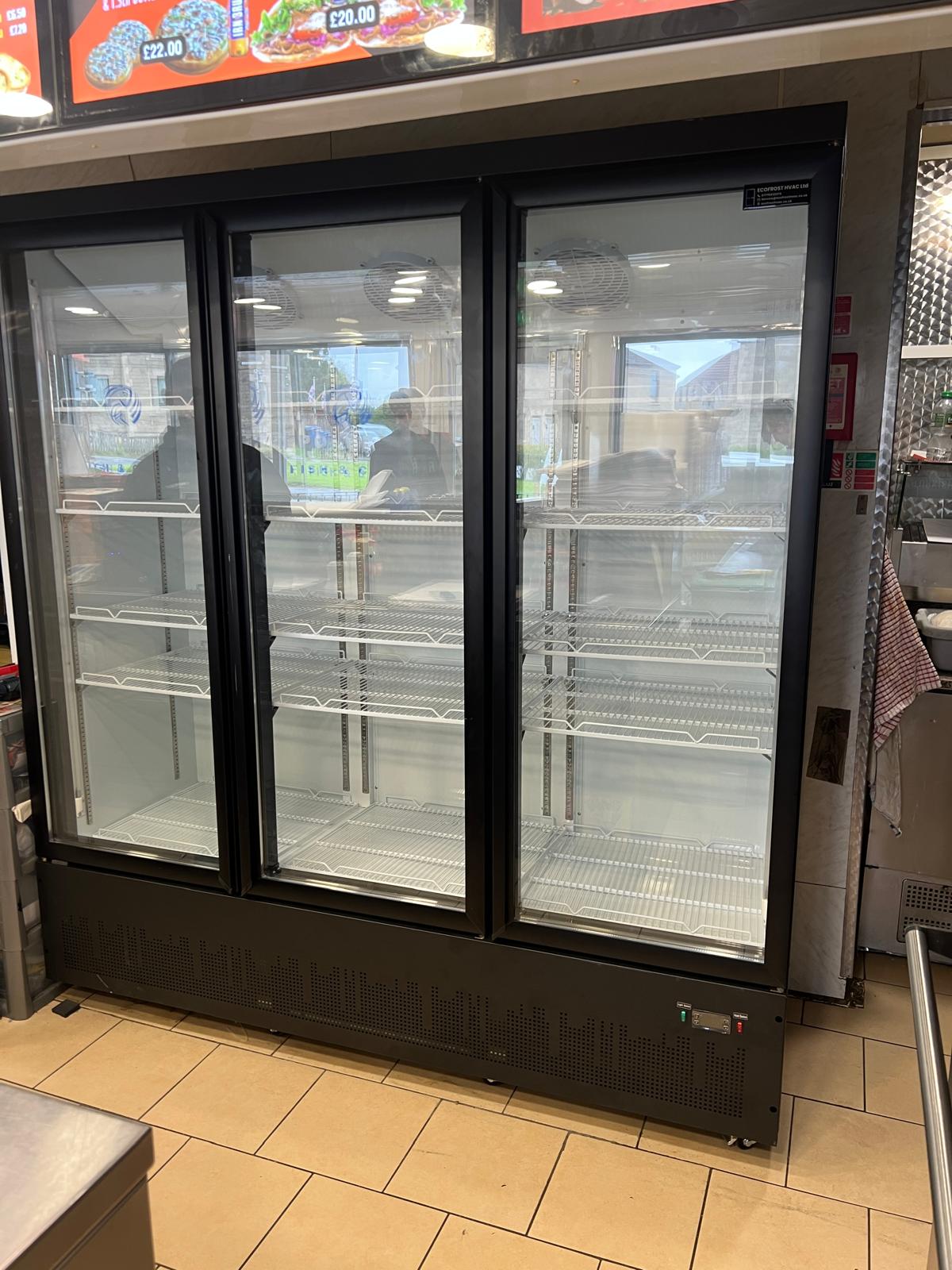

A café owner in Manchester faced a £15,000 fine and temporary closure after inspectors discovered their walk-in chiller operating at 9°C, well above the legal 5°C threshold. The business lost thousands in spoiled stock and customer trust. Refrigeration compliance is not optional for hospitality and retail businesses handling perishable goods. Misunderstandings about temperature requirements, refrigerant regulations, and documentation standards can lead to severe financial penalties and reputational damage. This comprehensive guide explains the regulations governing commercial refrigeration in 2026, the risks of non-compliance, and practical steps to maintain legal adherence whilst protecting your business operations.
Table of Contents
- Understanding Refrigeration Compliance: Regulations And Why They Matter
- Critical Elements Of Refrigeration Compliance: Monitoring, Documentation, And Refrigerant Management
- Consequences Of Non-Compliance And Recent Regulatory Updates Shaping 2026
- Best Practices For Achieving And Maintaining Refrigeration Compliance In Hospitality And Retail
- Discover EcoFrost Solutions For Reliable Refrigeration Compliance
- Frequently Asked Questions About Refrigeration Compliance
Key takeaways
| Point | Details |
|---|---|
| Legal temperature thresholds | Chilled foods must stay at 0-5°C, frozen goods at -18°C or below to prevent bacterial growth |
| Refrigerant management obligations | Businesses must monitor leaks, use certified recovery equipment, and comply with phasedown mandates |
| Documentation requirements | Daily temperature logs and refrigerant records are essential to demonstrate compliance during inspections |
| Financial consequences | Non-compliance can trigger fines exceeding £10,000 daily, criminal penalties, and operational shutdowns |
| Technology solutions | Automated monitoring systems reduce human error and provide continuous compliance documentation |
Understanding refrigeration compliance: regulations and why they matter
Refrigeration compliance refers to adhering to legal standards governing temperature control and refrigerant handling in commercial food storage and retail environments. These regulations exist to protect public health by preventing bacterial growth in perishable goods, minimising environmental harm from refrigerant emissions, and establishing clear liability frameworks when businesses fail to meet safety standards. For hospitality venues and retail operations, understanding these requirements is fundamental to legal operation.
In the UK, refrigeration compliance is governed by the Food Safety Act 1990, Food Hygiene Regulations 2013, and EC Regulation 852/2004. These frameworks establish temperature thresholds, hygiene standards, and monitoring obligations. Similarly, US businesses must follow the FDA Food Code mandating cold TCS foods at 41°F (5°C) or below, with frozen items solid at 0°F (-18°C). Whilst specific temperatures may vary slightly by jurisdiction, the core principle remains consistent: maintaining the cold chain prevents pathogens like Salmonella, Listeria, and E. coli from multiplying to dangerous levels.
The temperature danger zone, between 8°C and 60°C, allows bacteria to double every 20 minutes. A double door commercial catering fridge operating even slightly above 5°C can transform safe food into a health hazard within hours. This is why regulations specify not just target temperatures but also acceptable deviation ranges and recovery times after door openings or defrost cycles.
Key regulatory frameworks include:
- Food Safety Act 1990 and Food Hygiene Regulations 2013 for UK operators
- FDA Food Code and state health department rules for US businesses
- EC Regulation 852/2004 on hygiene of foodstuffs
- Environmental Protection Act 1990 for refrigerant handling
- Clean Air Act Section 608 governing refrigerant emissions in the US
Pro Tip: Temperature compliance is not just about the thermostat setting. Factors like door seal integrity, proper airflow around stored items, and regular defrosting cycles all affect whether your units maintain legal temperatures under real operating conditions.
“Refrigeration compliance protects both public health and your business reputation. A single temperature excursion can compromise entire inventory batches and trigger regulatory action.”
Critical elements of refrigeration compliance: monitoring, documentation, and refrigerant management
Meeting refrigeration compliance requires systematic operational practices beyond simply purchasing compliant equipment. Three pillars support legal adherence: continuous temperature monitoring, meticulous documentation, and responsible refrigerant management. Each element addresses specific regulatory requirements and inspection criteria.
Regular temperature monitoring and written or automated logs are essential to prove compliance during Environmental Health Officer visits. Inspectors routinely examine temperature records spanning weeks or months to identify patterns of non-compliance. Manual logging systems require staff to check and record temperatures at least twice daily, documenting any corrective actions when readings fall outside acceptable ranges. However, human error and inconsistent timing create compliance gaps that automated systems eliminate.
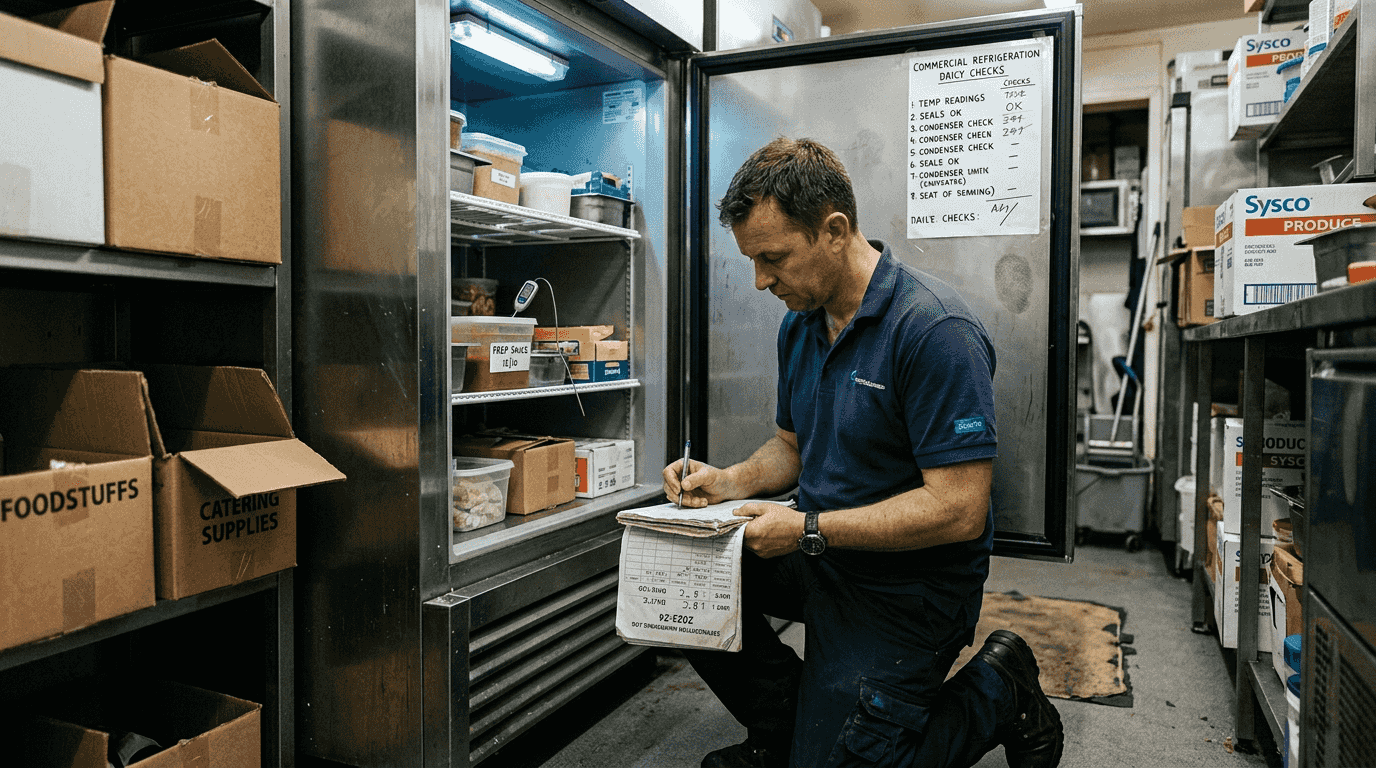
Environmental Health Officers assess not only current temperatures but also staff knowledge of proper procedures. Your team must demonstrate understanding of temperature requirements, corrective action protocols, and proper food rotation practices. Training records become evidence of due diligence, potentially mitigating penalties if violations occur despite good faith efforts.
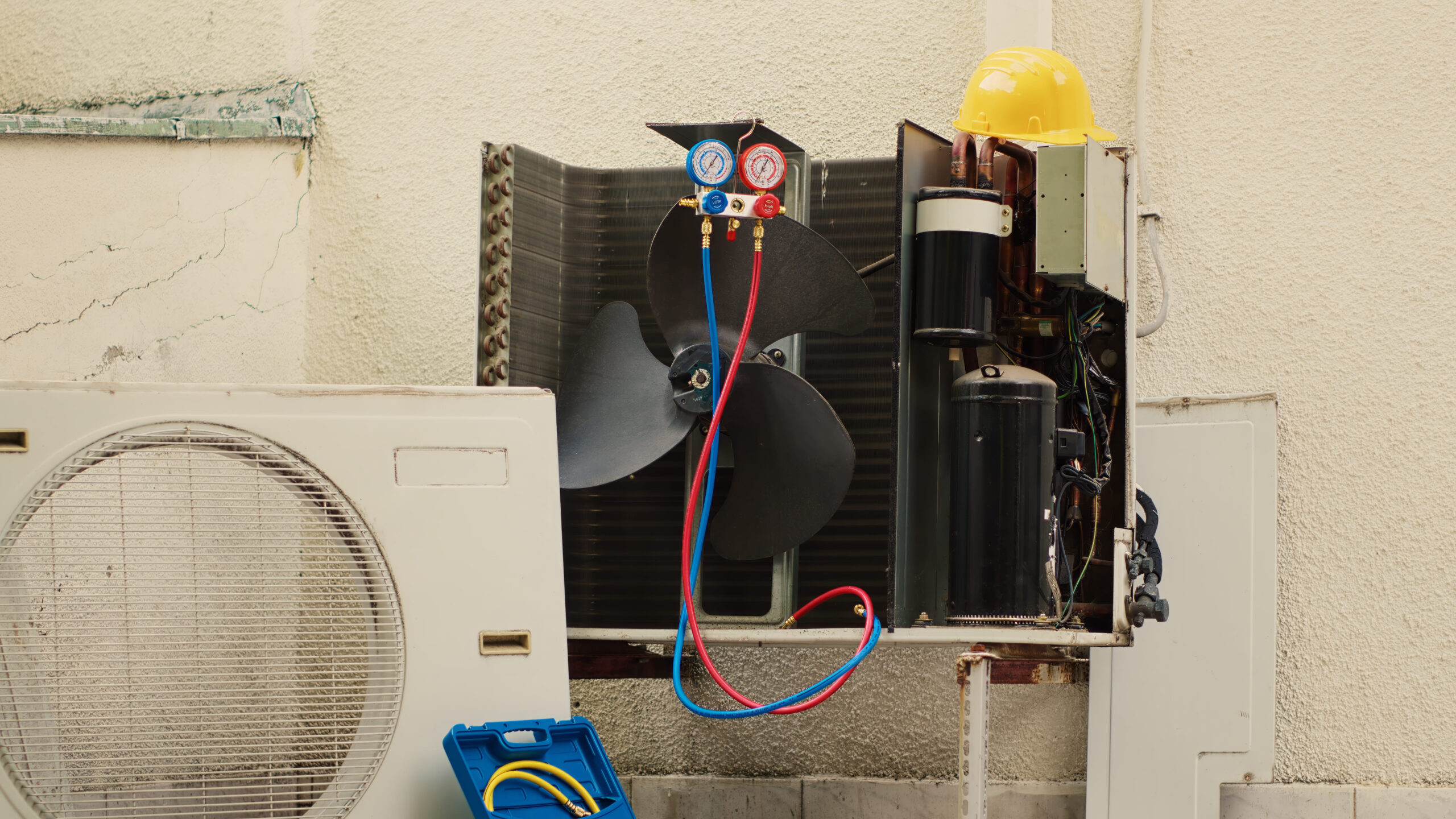
Refrigerant compliance has grown increasingly complex. Section 608 of the Clean Air Act requires best practices to prevent refrigerant emissions during servicing, maintenance, and disposal. The AIM Act’s phasedown of hydrofluorocarbons (HFCs) introduces production limits and stricter leak monitoring thresholds. Businesses operating systems with refrigerant charges above specified amounts must conduct periodic leak inspections using certified detection equipment.
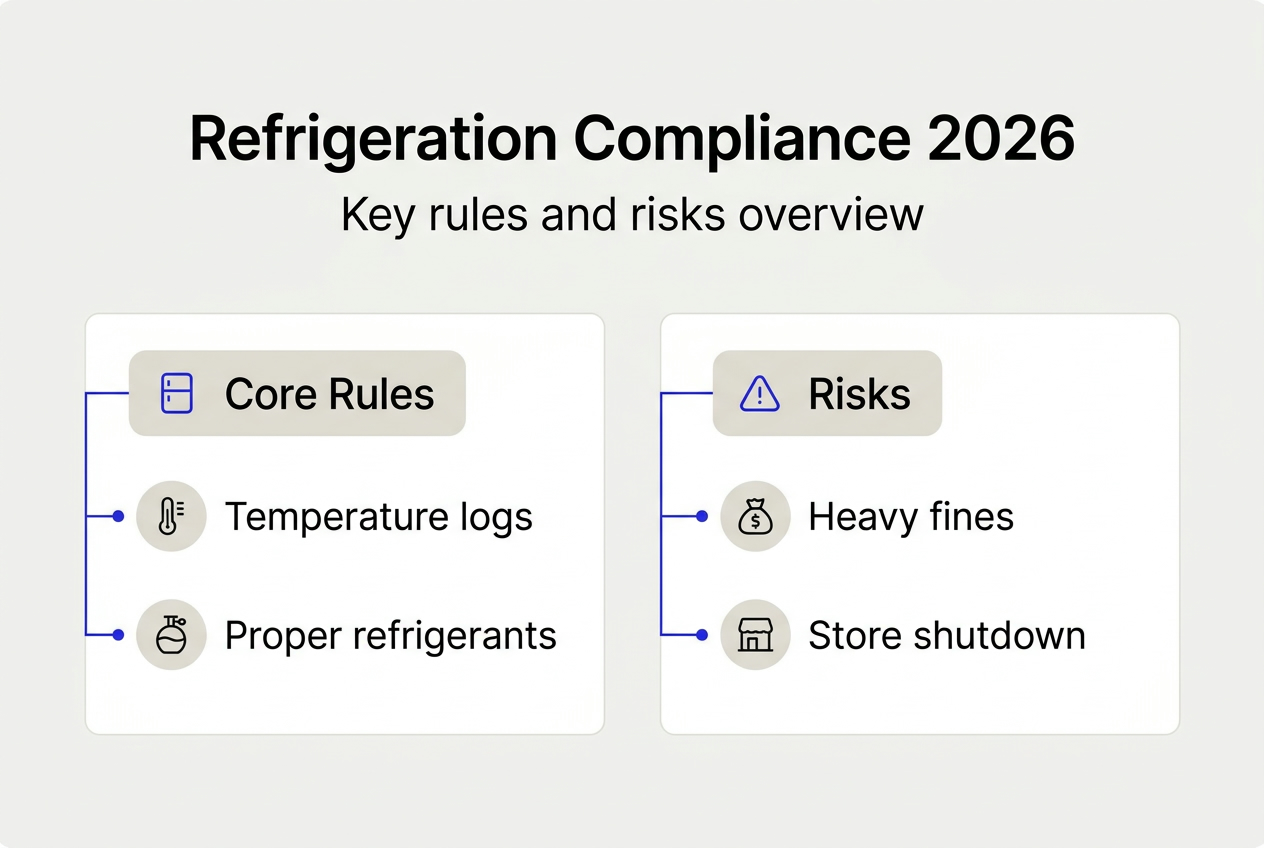
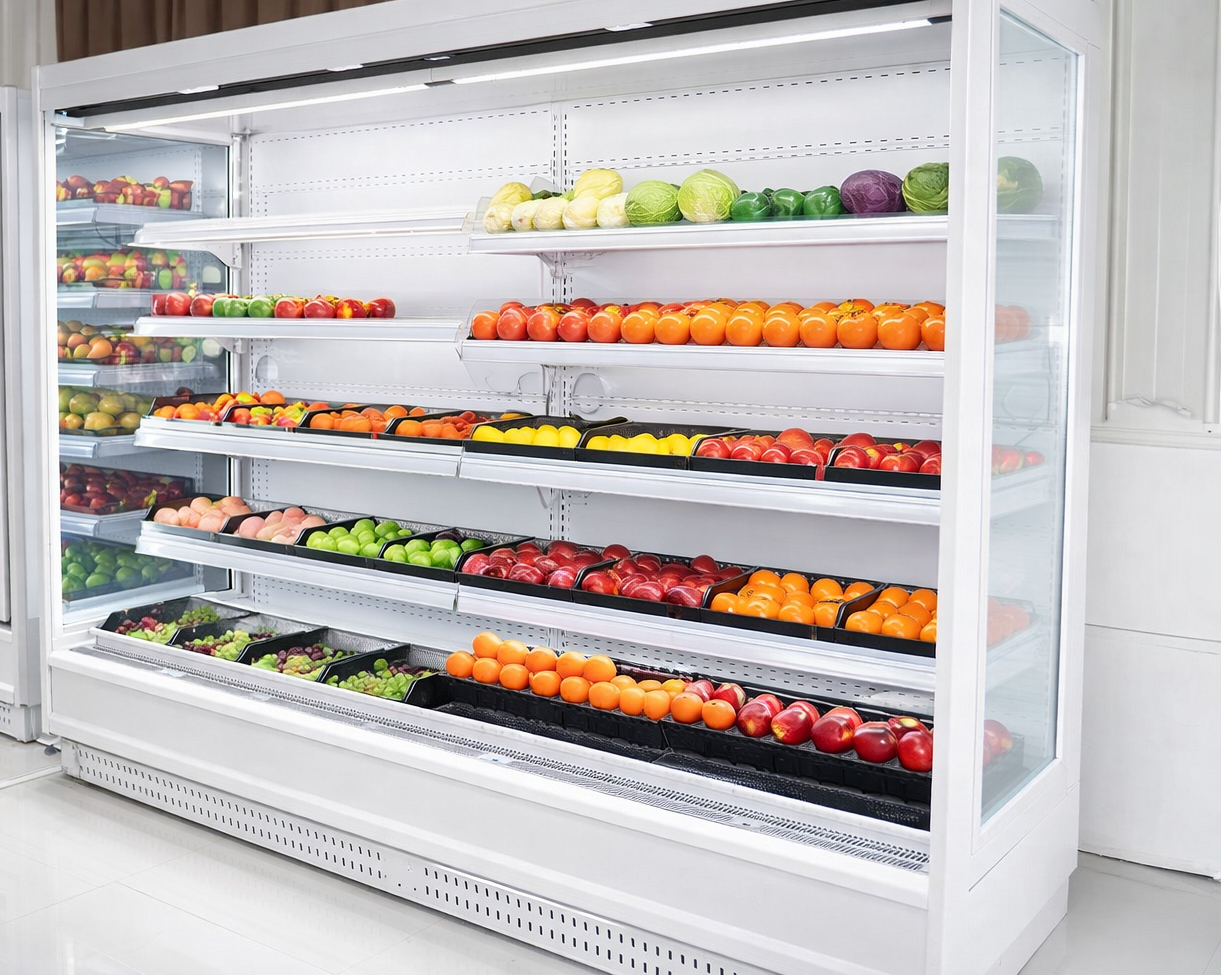
An open chiller cabinet in a retail setting might contain several kilograms of refrigerant. If annual leak rates exceed regulatory thresholds, you must repair the system within mandated timeframes and maintain detailed records of refrigerant additions, leak repairs, and eventual recovery during equipment disposal. Only EPA-certified technicians can handle refrigerant recovery and recycling, using approved equipment that meets specific purity standards.
| Refrigerant charge | Leak detection requirement | Inspection frequency |
|---|---|---|
| Under 50 lbs | Visual inspection | Annual or as needed |
| 50-500 lbs | Leak detection device | Quarterly |
| Over 500 lbs | Automated monitoring | Monthly or continuous |
| Industrial systems | Continuous monitoring | Real-time alerts |
Routine compliance tasks your business must implement:
- Check and log refrigeration temperatures at opening and closing daily
- Calibrate thermometers quarterly to ensure accuracy
- Conduct staff training on temperature monitoring and corrective actions
- Schedule professional refrigerant leak inspections per regulatory thresholds
- Maintain comprehensive records of all maintenance, repairs, and refrigerant additions
- Review and update food safety management systems annually
Pro Tip: Integrate EcoFrost services and maintenance programmes into your compliance strategy. Professional servicing ensures refrigerant systems operate efficiently whilst meeting leak detection and documentation requirements without burdening your staff.
Consequences of non-compliance and recent regulatory updates shaping 2026
The financial and operational consequences of refrigeration non-compliance have intensified as regulators prioritise food safety and environmental protection. Penalties now extend beyond monetary fines to include operational shutdowns, criminal prosecution, and lasting reputational damage that affects customer trust and insurance premiums.
Health violations may result in fines over $10,000 per day and closures until businesses demonstrate corrective action and sustained compliance. The largest monetary criminal penalty for a food safety case reached $41.675 million, demonstrating how seriously authorities treat systematic compliance failures. For refrigerant violations specifically, federal fines can reach approximately $57,000 daily, with cases involving large retailers totalling hundreds of thousands in penalties.
Beyond direct fines, non-compliance triggers cascading business impacts. Food safety violations require disposing of potentially contaminated inventory, often representing thousands of pounds in lost stock. Temporary closures mean lost revenue during peak trading periods. Negative publicity from health department reports damages brand reputation, particularly for hospitality businesses relying on customer confidence. Insurance premiums increase after compliance failures, and some insurers may refuse coverage entirely for businesses with repeated violations.
Recent regulatory updates have raised compliance stakes further:
- The AIM Act phasedown reduces HFC production by 85% through 2036, increasing refrigerant costs and availability constraints
- Stricter leak detection thresholds now apply to smaller refrigeration systems, expanding the number of businesses requiring professional monitoring
- Enhanced documentation requirements mandate detailed records of refrigerant purchases, system servicing, and leak repairs
- New training requirements for technicians handling alternative refrigerants with different safety profiles
- Increased inspection frequency from environmental agencies focusing on refrigerant management
| Compliance aspect | Previous standard | 2026 requirement | Cost implication |
|---|---|---|---|
| Leak monitoring threshold | Systems over 500 lbs | Systems over 200 lbs | More businesses need professional inspections |
| Inspection frequency | Annual | Quarterly for mid-size systems | Higher service contract costs |
| Refrigerant documentation | Basic logs acceptable | Detailed tracking required | Investment in record systems |
| Alternative refrigerants | Optional | Mandated for new installations | Equipment upgrade costs |
“The largest monetary criminal penalty for a food safety case reached $41.675 million, demonstrating that regulators view systematic compliance failures as serious criminal matters warranting severe consequences.”
For businesses operating commercial display freezer options, understanding these evolving requirements is essential for budgeting and operational planning. The shift from reactive compliance to proactive management represents a fundamental change in how hospitality and retail businesses must approach refrigeration.
Best practices for achieving and maintaining refrigeration compliance in hospitality and retail
Implementing robust compliance systems requires combining appropriate equipment, staff training, documentation processes, and technology solutions. Business managers can build reliable frameworks that satisfy regulatory requirements whilst supporting operational efficiency.
Continuous monitoring systems ensure automated temperature tracking and compliance documentation across refrigeration units without relying on manual checks. These systems provide real-time alerts when temperatures drift outside acceptable ranges, enabling immediate corrective action before food safety is compromised. Cloud-based platforms store historical data that inspectors can review, demonstrating consistent compliance patterns over extended periods.
Proper storage hygiene directly impacts compliance effectiveness. Poor storage habits like irregular cleaning undermine refrigeration compliance by restricting airflow, contaminating surfaces, and creating conditions where pathogens thrive despite correct temperatures. Establish protocols for regular cleaning schedules, proper food labelling with preparation and use-by dates, and correct storage positioning that maintains air circulation around products.
Staff training transforms compliance from a management burden into a shared operational priority. Your team should understand why temperature thresholds matter, how to interpret monitoring data, and what corrective actions to take when issues arise. Regular refresher training keeps knowledge current as regulations evolve and new equipment is installed.
When selecting refrigeration equipment, prioritise units designed for commercial compliance requirements:
- Digital temperature displays with alarm functions for out-of-range conditions
- Robust construction that maintains consistent temperatures during frequent door openings
- Energy-efficient compressors that reduce operating costs whilst meeting environmental standards
- Adequate capacity to avoid overloading, which compromises temperature stability
- Compatibility with automated monitoring systems for seamless data integration
Compliance maintenance best practices:
- Install automated temperature monitoring with cloud-based logging and alert systems
- Schedule professional maintenance quarterly to verify refrigerant charge levels and system performance
- Implement daily visual inspections of door seals, drainage systems, and interior cleanliness
- Maintain centralised documentation accessible during inspections, including temperature logs, service records, and staff training certificates
- Conduct monthly internal audits reviewing compliance procedures and identifying improvement opportunities
- Establish relationships with certified refrigeration technicians for rapid response to equipment failures
Pro Tip: Automated monitoring systems eliminate the compliance risk of forgotten manual checks or inaccurate recordings. Investing in technology that provides continuous documentation and instant alerts protects your business from both food safety incidents and regulatory penalties whilst reducing staff workload.
EcoFrost refrigeration maintenance services offer comprehensive support including temperature monitoring system installation, refrigerant management, and compliance documentation assistance. Professional maintenance programmes ensure your equipment operates at peak efficiency whilst meeting all regulatory requirements.
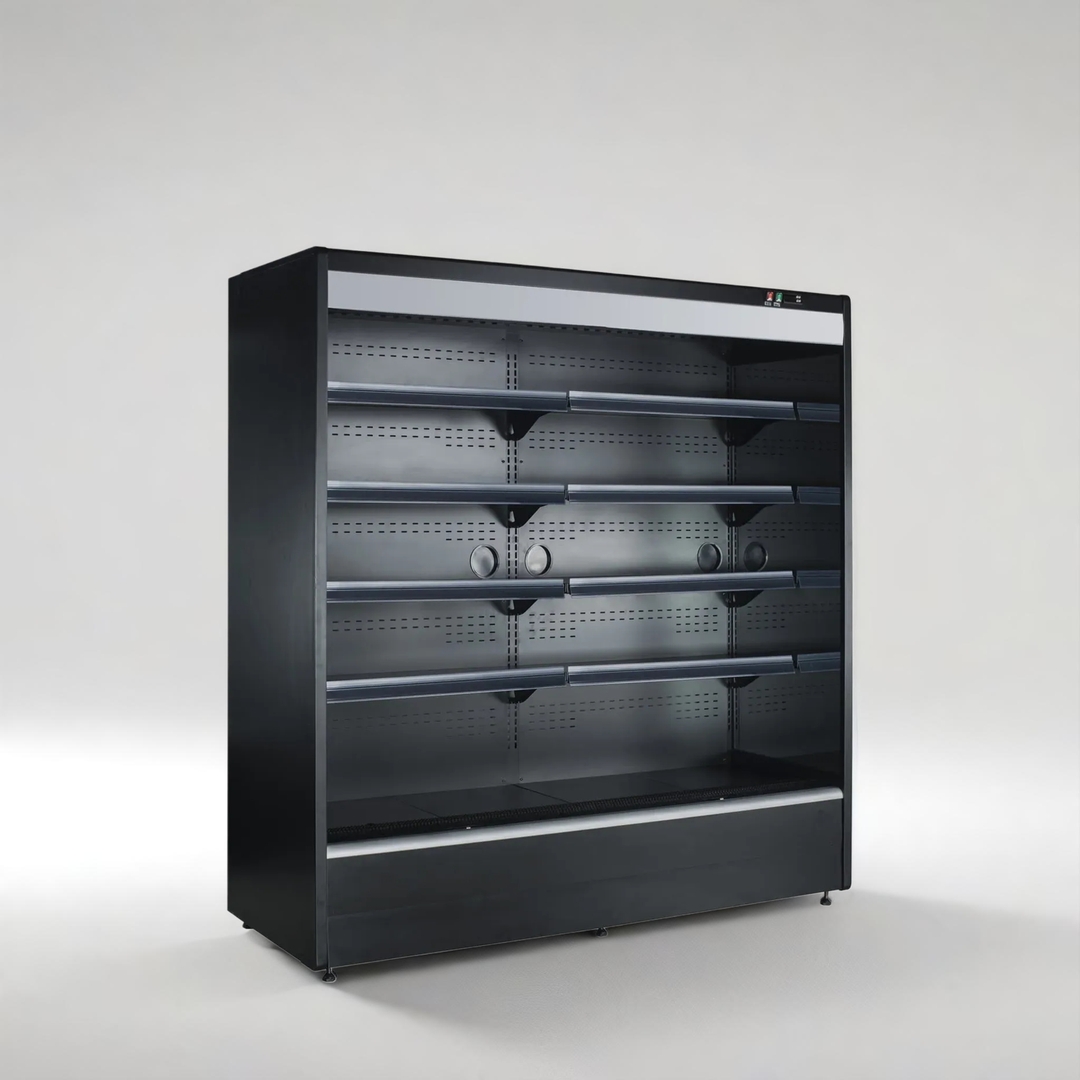
For businesses upgrading equipment, consider open chiller cabinet 1980 series units designed specifically for commercial environments where consistent temperature control and customer accessibility must coexist. Modern equipment incorporates compliance features that older units lack, making regulatory adherence simpler and more reliable.
Discover EcoFrost solutions for reliable refrigeration compliance
Navigating refrigeration compliance requires both knowledge and reliable equipment partners. EcoFrost specialises in commercial refrigeration solutions tailored for hospitality and retail businesses operating under UK regulations. Our maintenance programmes include temperature monitoring support, refrigerant management, and comprehensive documentation assistance that simplifies compliance whilst protecting your operations.
Businesses adopting structured maintenance plans experience up to 78% fewer compliance violations compared to reactive service approaches. EcoFrost refrigeration maintenance services provide scheduled inspections, refrigerant leak detection, and system optimisation that keeps your equipment operating within legal parameters. Our technicians understand the specific requirements facing hospitality venues and retail operators, delivering solutions that balance regulatory adherence with operational efficiency.
Explore our range of compliance-ready equipment including open chiller cabinets and commercial catering fridges designed for demanding commercial environments. With over 10 years of experience across the UK, EcoFrost helps businesses avoid fines, maintain customer trust, and operate with confidence.
Frequently asked questions about refrigeration compliance
What temperature ranges must refrigeration units maintain to comply?
Chilled foods must be stored at 0-5°C, whilst frozen items require temperatures at -18°C or below. These thresholds prevent bacterial growth and comply with UK Food Hygiene Regulations 2013 and FDA Food Code standards.
What penalties could I face if my business fails refrigeration compliance?
Financial penalties exceed £10,000 daily for health violations, with potential criminal prosecution reaching millions for systematic failures. Businesses also face temporary closures, inventory disposal costs, and lasting reputational damage.
How often should temperature logs and refrigerant checks be conducted?
Temperature monitoring should occur at least twice daily with manual systems, or continuously with automated monitoring. Refrigerant leak inspections depend on system size, ranging from annual checks for small units to quarterly or monthly inspections for larger systems.
Are there specific refrigerants whose use is restricted or phased out?
The AIM Act mandates an 85% phasedown of hydrofluorocarbons (HFCs) through 2036, restricting production and imports. New installations increasingly require alternative refrigerants with lower global warming potential, whilst existing systems face stricter leak monitoring.
What technology can help simplify compliance monitoring and record-keeping?
Automated temperature monitoring systems with cloud-based data storage provide continuous tracking, instant alerts for temperature excursions, and historical records accessible during inspections. These systems eliminate manual logging errors and demonstrate consistent compliance patterns to regulators.