
TL;DR:
- Regular cleaning of refrigeration units is essential for food safety, efficiency, and compliance.
- Proper organisation and scheduled maintenance reduce energy costs and prevent contamination risks.
- Using the right tools, following structured routines, and tracking maintenance ensures optimal performance.
A neglected commercial refrigeration unit is more than an eyesore. It is a genuine food safety liability, a compliance risk, and a hidden drain on your energy bills. Unclean fridges can harbour harmful biofilms and pathogens regardless of the temperature setting, meaning a cold unit is not necessarily a safe one. For restaurant and hotel managers, the consequences of poor refrigeration hygiene range from failed inspections and food spoilage to serious reputational damage. This guide walks you through everything you need, from the right tools to a structured cleaning routine, so your units stay hygienic, efficient, and fully compliant.
Table of Contents
- Essential tools and requirements for cleaning
- Preparing and emptying your refrigeration unit
- Step-by-step cleaning process for best results
- Routine schedules and verification: staying compliant
- Energy efficiency tips during and after cleaning
- Expert perspective: why cleaning schedules beat ‘set and forget’ maintenance
- EcoFrost HVAC: supporting your refrigeration hygiene and efficiency
- Frequently asked questions
Key Takeaways
| Point | Details |
|---|---|
| Routine cleaning is essential | Regular, scheduled cleaning keeps food safe and units running efficiently. |
| Preparation prevents contamination | Emptying and organising your fridge before cleaning avoids food spoilage and cross-contamination. |
| Missed spots matter | Door seals, trays, and vents must be cleaned to prevent microbial growth. |
| Better organisation saves energy | Well-organised inventory and cleaning cut down energy waste and lower bills. |
| Partner with experts | Professional maintenance alongside cleaning maximises lifespan and compliance. |
Essential tools and requirements for cleaning
Before you touch a single shelf, having the right equipment ready makes the process faster, safer, and more effective. Understanding commercial refrigeration basics will help you appreciate why each tool on this list matters.
Research confirms that cleaning frequency trumps precise temperature control when it comes to managing microbial risk in refrigeration units. That means your routine and your toolkit are your first line of defence.
Essential tools and cleaning agents:
- Disposable nitrile gloves and a waterproof apron
- Food-safe, non-abrasive multi-surface cleaner
- Approved food-contact disinfectant spray or solution
- Soft-bristle brushes and non-scratch scouring pads
- Microfibre cloths (separate sets for interior and exterior)
- A bucket, warm water, and a mild detergent
- Torch or inspection light for checking hidden corners
- A dry towel or clean cloth for final drying
| Item | Purpose | Safety note |
|---|---|---|
| Nitrile gloves | Protect skin from chemicals | Replace between tasks |
| Food-safe disinfectant | Kill pathogens on surfaces | Check food-contact approval |
| Soft-bristle brush | Clean seals and grooves | Avoid metal bristles |
| Microfibre cloth | Wipe interior walls and shelves | Wash after each use |
| Non-scratch pad | Remove stubborn residue | Never use steel wool |
Always read the label on any cleaning chemical before use. Some disinfectants require a rinse step before food contact surfaces are used again. Never mix products unless the manufacturer explicitly states it is safe to do so. Prepare your workspace before unplugging the unit, so you can work efficiently once the cleaning begins.
Preparing and emptying your refrigeration unit
Now that you are equipped, it is time to set up the unit and protect your food stock during the process. Preparation is where most teams cut corners, and it is where most cross-contamination risks originate.
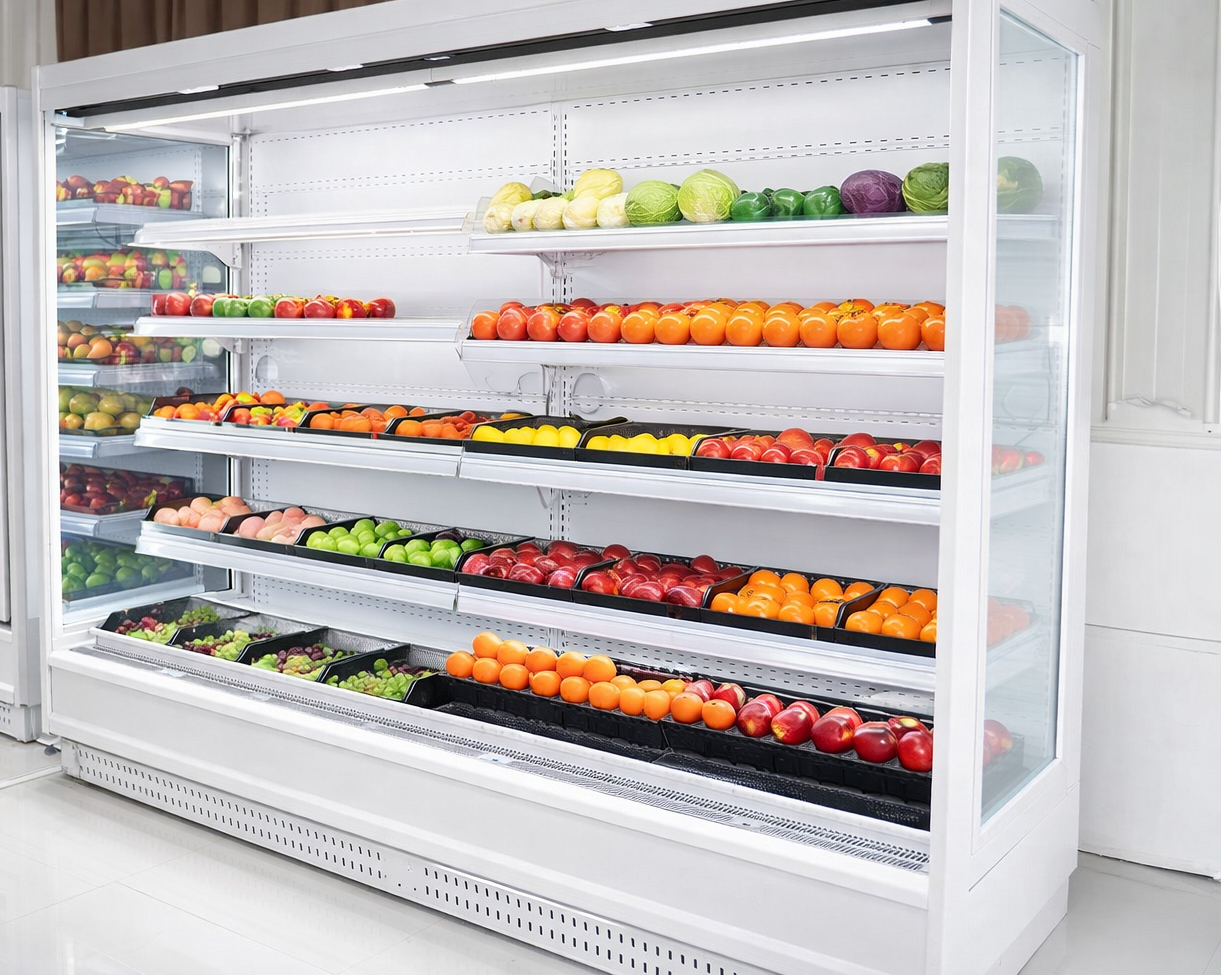
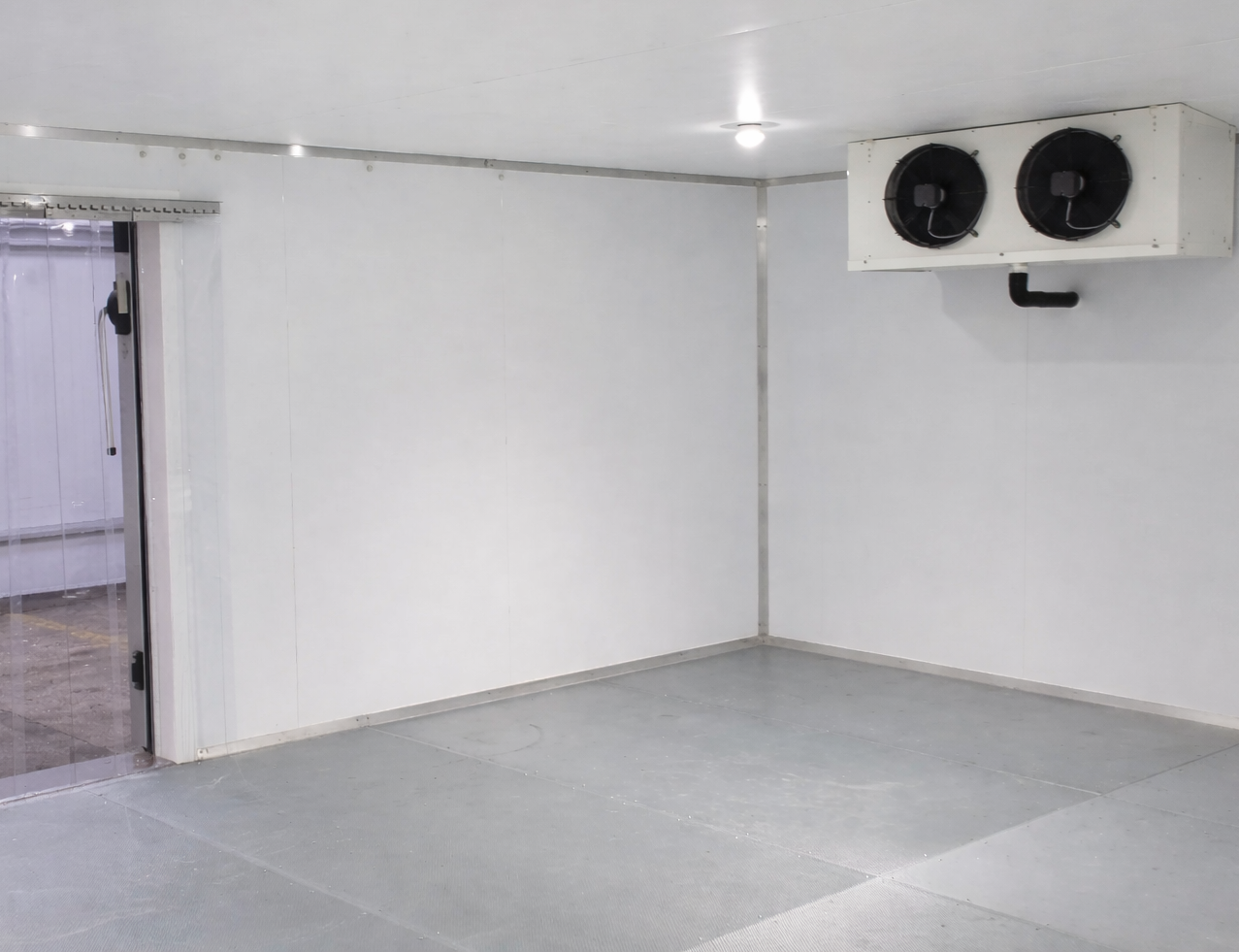
Knowing the types of restaurant fridges in your kitchen helps you tailor your preparation steps, since walk-in coolers, under-counter units, and display fridges each have different emptying requirements.
- Switch off and unplug the unit. Never attempt to clean while the appliance is still connected to the power supply. This is a non-negotiable safety rule.
- Remove all food items. Work quickly to limit temperature exposure. Use insulated bags or a secondary chilled unit to store perishables.
- Check expiry dates as you unload. Discard anything out of date before restocking. This is the ideal moment to audit your inventory.
- Remove all shelves, drawers, and removable components. These should be cleaned separately in warm soapy water.
- Allow the unit to reach room temperature if you are defrosting a freezer. Never use sharp tools to chip away ice.
Pro Tip: Organise food by expiry date before returning it to the unit. Place items with the nearest use-by dates at the front. This simple habit reduces waste and keeps your stock rotation HACCP-compliant.
Important: Organised stocking reduces door-open time and energy recovery loss by 50 to 60 per cent. Blocking internal vents with food items forces the compressor to work harder, raising running costs significantly.
Step-by-step cleaning process for best results
With your unit emptied and ready, follow this structured routine for a thorough, professional-grade clean.
- Wipe down interior walls and ceiling. Use a microfibre cloth dampened with your food-safe cleaner. Work from top to bottom to avoid re-contaminating cleaned surfaces.
- Scrub shelves and drawers. Soak removable parts in warm soapy water for at least five minutes before scrubbing. Rinse thoroughly and allow to air dry.
- Clean door gaskets (seals) carefully. These rubber seals trap moisture, crumbs, and mould. Use a soft brush to work the cleaner into the grooves, then wipe clean.
- Inspect and clean the drip tray. This is one of the most commonly missed areas. Remove it, empty it, and disinfect it fully before replacing.
- Clear vent covers and fan grilles. Blocked vents reduce airflow and cooling efficiency. Use a dry brush to remove dust and debris.
- Apply disinfectant to all food-contact surfaces. Allow the correct dwell time as stated on the product label before wiping or rinsing.
- Dry all surfaces completely before switching the unit back on. Residual moisture encourages mould growth.
Pro Tip: For stubborn mould spots, apply a diluted food-safe disinfectant and leave it for the full dwell time before scrubbing. Avoid bleach on stainless steel as it can cause surface corrosion over time.
Warning: Dirty units develop biofilms and pathogens regardless of temperature. Even rarely used shelves must be cleaned on schedule. Hidden contamination is still contamination.
For further guidance on refrigeration cleaning for food safety, including HACCP record-keeping, explore our dedicated resource. You can also review machine cleaning techniques used in other commercial kitchen equipment for comparable best-practice methods.
Routine schedules and verification: staying compliant
Once your fridge is clean, it is all about maintaining the standard and meeting compliance requirements consistently. A one-off deep clean means little without a reliable schedule to back it up.
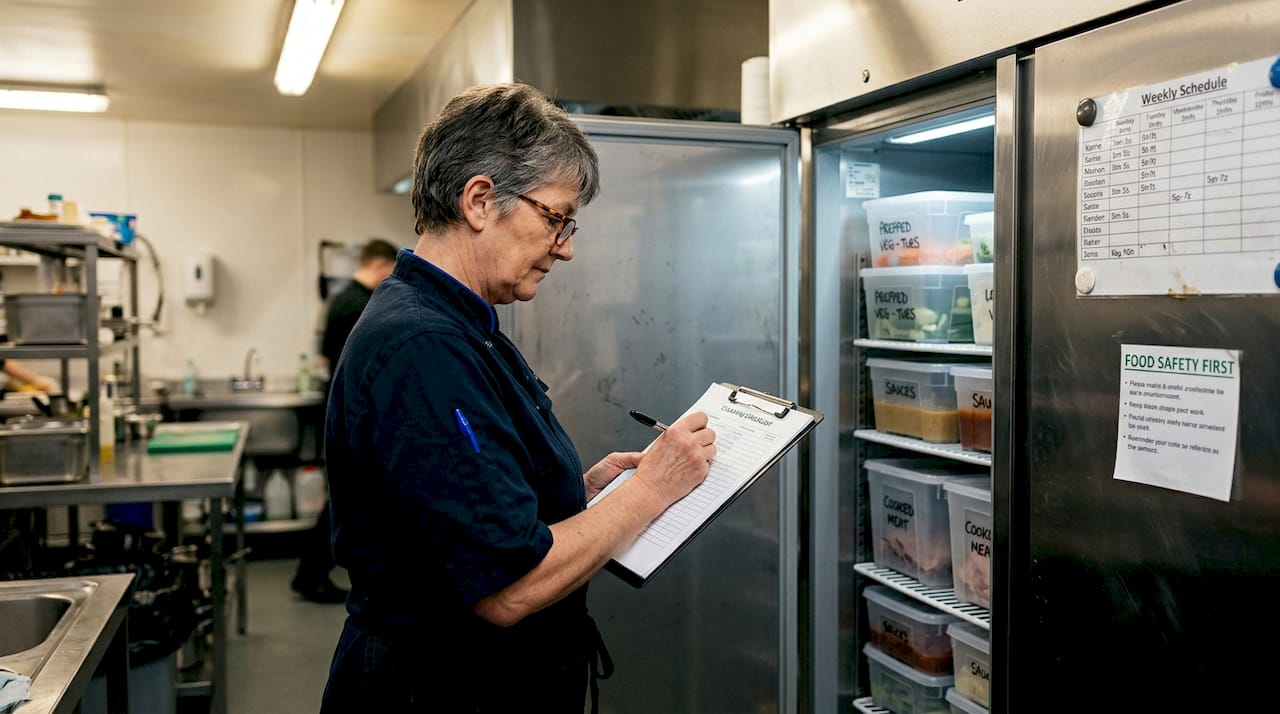
Research consistently shows that cleaning frequency is more critical for food safety than strict temperature monitoring alone. Your schedule is therefore as important as the cleaning itself.
| Task | Frequency | Responsible party |
|---|---|---|
| Wipe interior surfaces and spills | Daily | Kitchen or bar staff |
| Clean door seals and handles | Weekly | Designated team member |
| Remove and clean shelves and drawers | Weekly | Kitchen supervisor |
| Full interior deep clean and disinfection | Monthly | Senior staff or contractor |
| Condenser coil and vent inspection | Quarterly | Maintenance or engineer |
Visual inspection checklist (conduct weekly):
- No visible mould, residue, or discolouration on interior walls
- Door seals are intact, clean, and sealing correctly
- Drip tray is empty and free from odour
- Vents and fan grilles are clear of blockages
- Temperature display is reading within the correct range
- No unusual noises or frost build-up inside the unit
Keep a written cleaning log for every unit. Record the date, the person responsible, and any issues noted. This documentation is essential during environmental health inspections. When selecting the right fridge for your operation, factor in how easy it is to clean and maintain. Units with poor access to seals or drip trays will always create compliance headaches. If your equipment is ageing, consider upgrading refrigeration systems to models designed with hygiene in mind. Understanding common refrigeration failures also helps you spot early warning signs during your inspections.
Energy efficiency tips during and after cleaning
Good cleaning is not just about hygiene. It directly affects how efficiently your unit runs and how much it costs to operate every month.
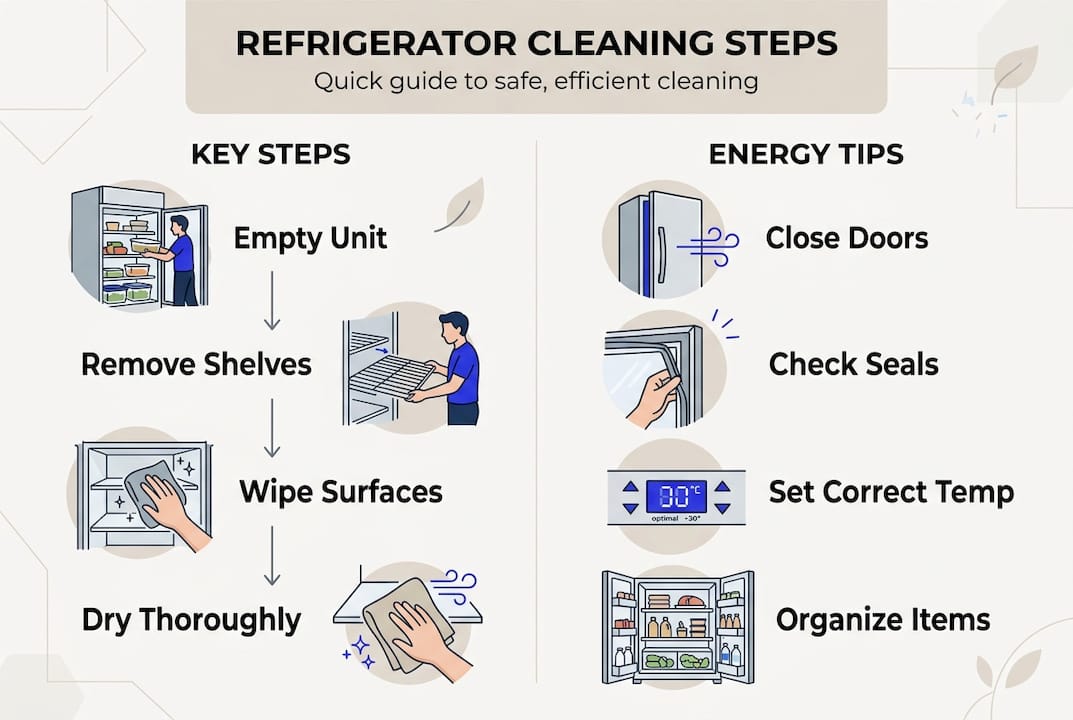
When you clean away dust from condenser coils, clear blocked vents, and restore door seals to full function, you remove the physical barriers that force your compressor to overwork. The result is lower energy consumption and a longer equipment lifespan.
Energy-saving habits to build into your post-clean routine:
- Restock the unit in an organised, logical layout with clear access to all items
- Never block internal vents or sensors with food packaging
- Ensure door seals close fully and check for any gaps after cleaning
- Avoid overfilling, which restricts airflow and forces the unit to run longer cycles
- Close the door promptly after every access, particularly during busy service periods
- Schedule cleaning during off-peak hours to minimise the time the unit is off
Statistic: Organised stocking reduces door-open time and energy recovery loss by 50 to 60 per cent. That is a measurable reduction in your utility bills from a simple behavioural change.
Understanding why refrigeration matters for food safety and cost control puts these habits in proper context. For a broader view of reducing your carbon footprint, explore sustainable refrigeration practices and consider how energy efficient HVAC systems can support your wider operational goals.
Expert perspective: why cleaning schedules beat ‘set and forget’ maintenance
Let us be direct about something the industry does not discuss enough. Most food safety failures in hospitality do not begin with a broken compressor or a faulty thermostat. They begin with a cleaning log that was never filled in, a drip tray that was ignored for three months, or a door seal that nobody thought to inspect.
The ‘set and forget’ approach to refrigeration maintenance is a false economy. Yes, the unit is running. Yes, the temperature looks fine. But temperature alone does not tell you whether biofilms are forming on the interior walls or whether refrigeration failure causes are quietly developing inside the condenser.
Scheduled cleaning creates a culture of accountability. When staff know that a log must be signed and a supervisor will check it, standards rise. When managers treat cleaning as a compliance ritual rather than a genuine hygiene practice, standards fall. The difference between these two approaches shows up during environmental health inspections, in energy bills, and in equipment longevity.
Proactive, scheduled maintenance is not an extra burden. It is the most cost-effective form of refrigeration management available to you.
EcoFrost HVAC: supporting your refrigeration hygiene and efficiency
Maintaining consistent hygiene standards across multiple refrigeration units is a real operational challenge, and sometimes a structured routine needs professional support behind it.
At EcoFrost, we work with restaurants and hotels across the UK to ensure their refrigeration systems are installed correctly, maintained regularly, and repaired promptly when issues arise. Our commercial fridge and freezer installation service ensures your units are set up for easy cleaning and long-term efficiency from day one. Our EcoFrost maintenance services keep your equipment performing at its best between your own cleaning cycles. And when something does go wrong, our refrigeration repair services get you back up and running fast. Get in touch with our team to find out how we can support your operation.
Frequently asked questions
How often should commercial refrigeration units be cleaned?
Clean fridges and freezers at least weekly and carry out a full deep clean monthly. Cleaning frequency is more critical for food safety than temperature monitoring alone.
Which chemicals are safe to use for cleaning commercial refrigeration units?
Use food-safe, non-abrasive detergents and approved food-contact disinfectants. Always follow the manufacturer’s guidelines for dwell times and rinsing requirements.
Does organisation inside the fridge reduce energy use?
Yes. Proper stocking reduces door-open time and energy recovery loss by up to 60 per cent, making it one of the simplest efficiency improvements available.
What areas are usually missed when cleaning fridges or freezers?
Door seals, vent covers, and drip trays are the most frequently overlooked areas. These spots harbour moisture and residue that can quickly become hygiene risks.
Can poor cleaning affect food safety even at proper temperatures?
Absolutely. Dirty units harbour pathogens and biofilms regardless of how cold the unit runs, making regular cleaning non-negotiable for any food business.
Recommended
- What is commercial refrigeration: guide for business owners
- How to select commercial refrigeration for your business
- Maintain restaurant refrigeration for food safety in 2026
- What is sustainable refrigeration: guide for businesses
- Commercial air conditioning explained: systems and efficiency – Akita AC
- Optimized Heat Pump Maintenance Workflow for Technicians – CoolFix Appliance & HVAC Service