









Top 6 ChillFrost.co.uk Alternatives 2026
March 21, 2026
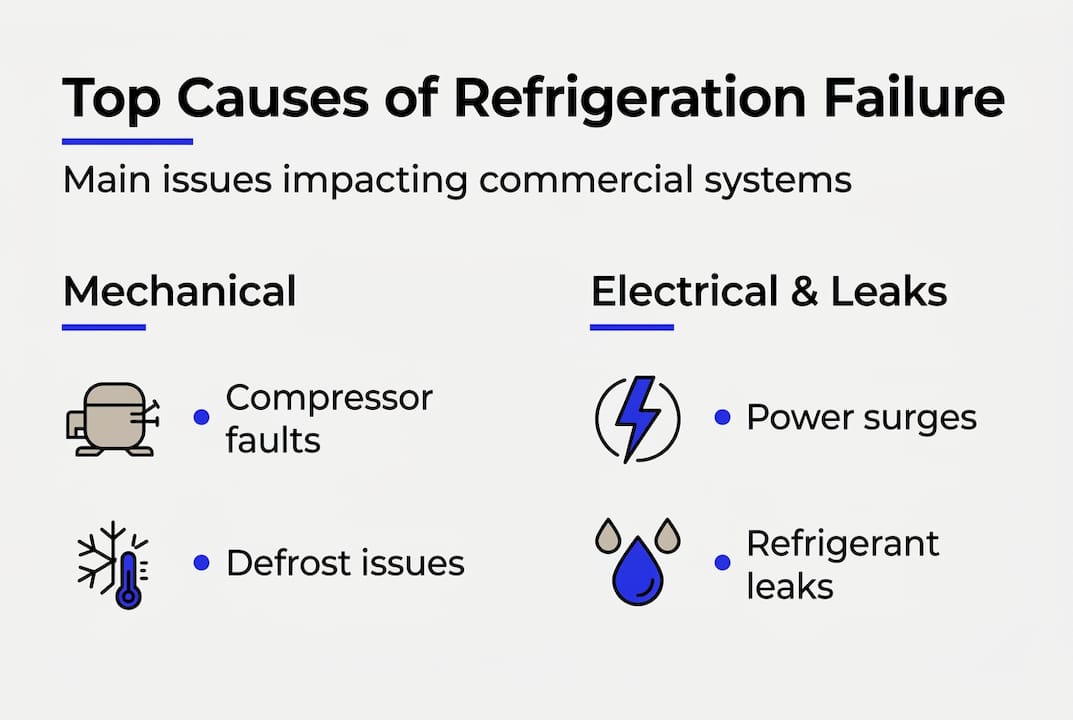
Refrigeration failures strike commercial facilities far more often than most managers expect, with compressor faults alone causing 35% of breakdowns. Each outage triggers immediate sales losses, inventory spoilage, and reputational damage that compound quickly in hospitality and retail environments. Understanding the technical causes behind these failures, recognising early warning signs, and implementing strategic maintenance programmes can dramatically reduce downtime and protect your bottom line. This guide examines the primary failure mechanisms, quantifies their financial impact, and provides actionable frameworks for repair versus replacement decisions tailored to commercial operations.
Table of Contents
- Key takeaways
- Common causes of refrigeration failure in commercial settings
- The financial and operational impact of refrigeration failures
- Electrical faults and maintenance challenges in refrigeration systems
- Repair versus replacement: making informed decisions
- How EcoFrost helps you prevent refrigeration failures
- Frequently asked questions
Key Takeaways
| Point | Details |
|---|---|
| Compressor faults dominate | Compressor faults account for over a third of commercial breakdowns, triggering outages and losses across sales, stock and reputation. |
| Refrigerant leaks critical | Refrigerant leaks stem from corroded joints, damaged tubing or faulty connections, causing high head pressure and disrupted cooling. |
| Defrost issues cause ice | Defrost system faults lead to ice buildup on evaporator coils, reducing heat transfer and forcing the compressor to run continuously. |
| Regular maintenance reduces downtime | Regular maintenance and around the clock monitoring can dramatically reduce downtime and repair costs by catching small faults early. |
Common causes of refrigeration failure in commercial settings
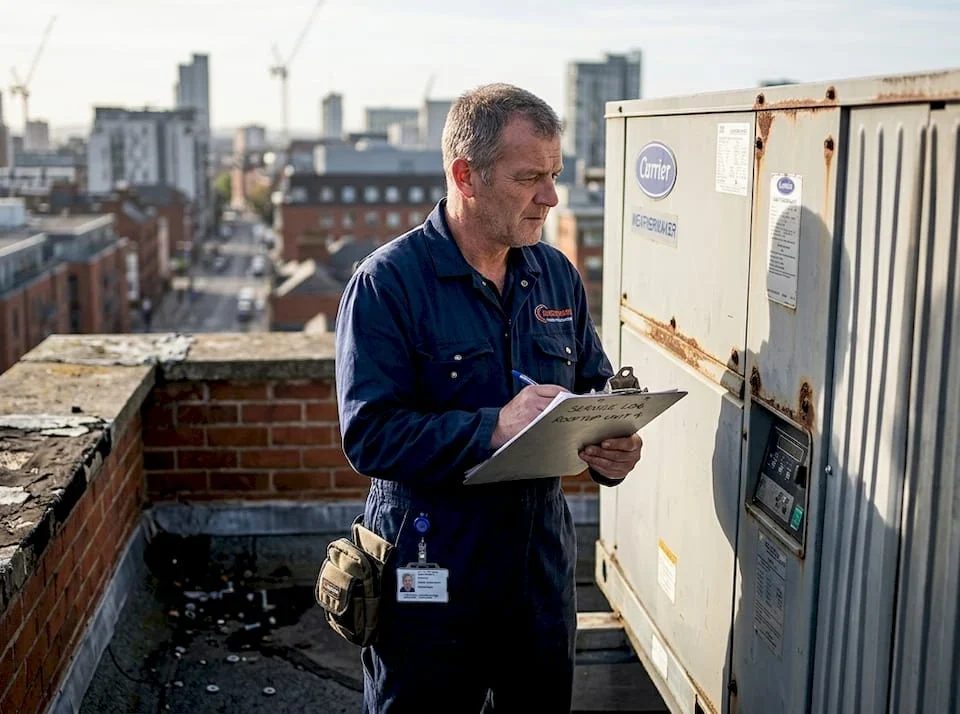
Compressor failures dominate commercial refrigeration breakdowns, accounting for over one-third of all system failures. These critical components fail primarily due to overheating caused by extended runtime periods, inadequate ventilation around condenser coils, or insufficient lubrication within the compressor mechanism. When ambient temperatures rise or condenser fans malfunction, compressors work harder to maintain set temperatures, generating excessive heat that degrades internal components and accelerates wear patterns.
Refrigerant leaks represent another major failure category, often stemming from corroded joints, damaged tubing, or faulty valve connections. Non-condensables create high head pressure whilst restricted thermostatic expansion valves and low refrigerant charges disrupt the cooling cycle entirely. System contamination introduces moisture and particulates that react with refrigerant, forming acids that corrode internal surfaces and compromise efficiency. These chemical reactions create a cascading effect where initial minor leaks expand into major system failures requiring complete refrigerant recovery and component replacement.
Defrost system malfunctions cause ice accumulation on evaporator coils, blocking airflow and preventing proper heat exchange. Faulty defrost timers, broken heater elements, or malfunctioning temperature sensors allow frost buildup to continue unchecked until cooling capacity drops below acceptable levels. This ice barrier insulates the coil from the refrigerated space, forcing the compressor into continuous operation whilst failing to achieve target temperatures.
Electrical faults including power surges, voltage fluctuations, and component failures disrupt system operation unexpectedly. Failed start relays prevent compressor activation, whilst damaged control boards send incorrect signals throughout the system. Binding motors draw excessive current, tripping breakers and creating fire hazards if left unaddressed.
Pro tip: Install voltage stabilisers and surge protectors on all refrigeration circuits to prevent electrical damage during power fluctuations, particularly in areas with unstable grid supply.
Understanding these failure mechanisms allows you to prioritise maintenance activities around the components most likely to fail. Different types of restaurant refrigeration systems exhibit varying vulnerability to these faults based on their design and operational demands.
- Compressor overheating from extended runtime and poor ventilation
- Refrigerant leaks through corroded joints and damaged tubing
- Defrost timer failures allowing excessive ice buildup
- Electrical surges damaging control boards and motors
- Contamination introducing moisture and acids into the system
“Refrigeration system reliability depends on addressing small faults before they cascade into major failures. Regular inspection of electrical connections, refrigerant levels, and defrost cycles prevents 70% of emergency breakdowns.”
The financial and operational impact of refrigeration failures
Refrigeration outages deliver immediate financial consequences proportional to their duration and scope. A four-hour display case failure causes hundreds in lost sales, whilst full-store refrigeration failures exceed £10,000 in combined sales and inventory losses. These figures multiply rapidly during peak trading periods when customer traffic and stock levels reach their highest points. Annual inventory spoilage from refrigeration failures ranges between £40,000 and £400,000 for typical retail operations, representing a substantial operational expense that directly impacts profitability.
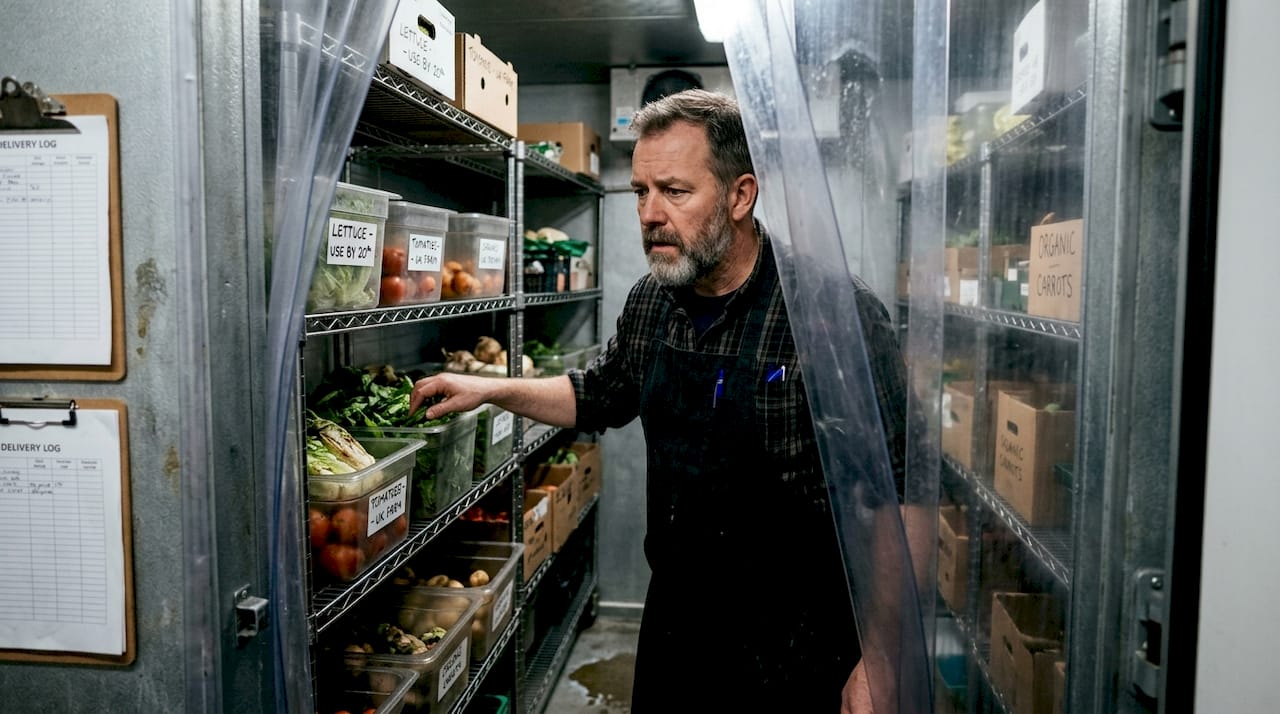
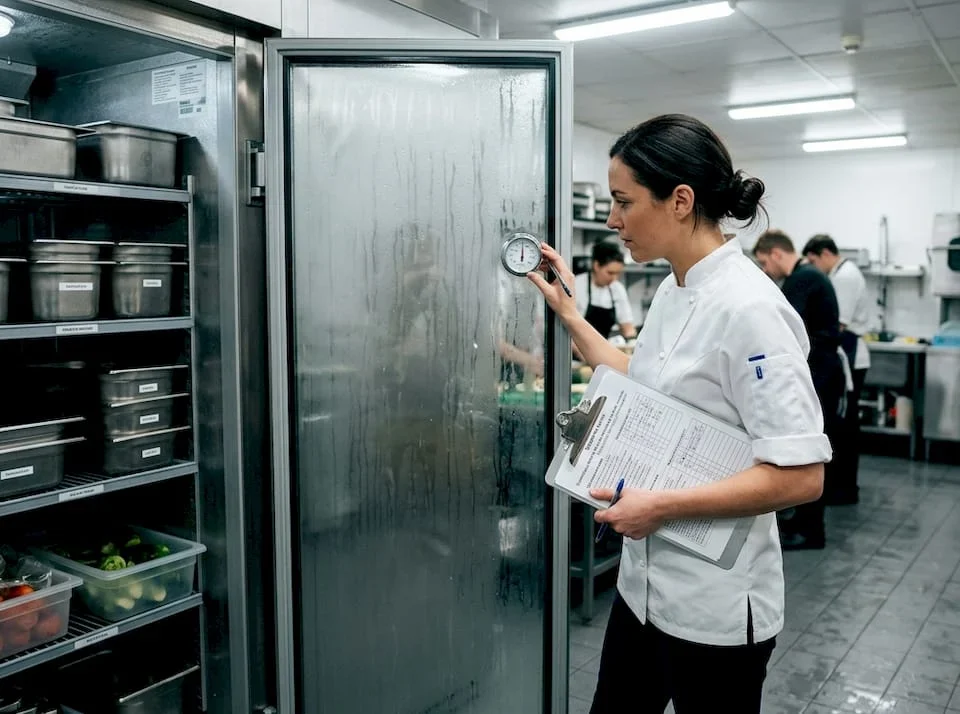
Nighttime failures present particularly severe risks because they often remain undetected until staff arrive the following morning. By that point, temperatures have risen well above safe thresholds for hours, rendering entire stock holdings unsaleable. Perishable inventory including dairy, meat, prepared foods, and temperature-sensitive beverages must be discarded completely, creating immediate replacement costs alongside the lost sales opportunity. Insurance claims rarely cover the full extent of these losses, leaving businesses to absorb significant unplanned expenses.
Reputational damage extends beyond immediate financial losses when customers encounter empty display cases, cancelled menu items, or product quality issues linked to temperature excursions. Social media amplifies these incidents, with negative reviews spreading rapidly across platforms and influencing potential customers’ decisions. Recovery from reputational harm requires sustained effort and often additional marketing expenditure to rebuild trust.
Unplanned downtime disrupts operational workflows, forcing staff to relocate inventory, adjust menus, and manage customer complaints rather than focusing on revenue-generating activities. Emergency repair callouts command premium rates, particularly outside normal business hours, whilst rushed replacement purchases eliminate negotiating leverage for favourable pricing.
- Calculate your facility’s hourly revenue from refrigerated products to quantify outage impact
- Implement 24/7 temperature monitoring with immediate alert systems
- Establish relationships with multiple refrigeration service providers for rapid response
- Maintain detailed inventory records to support insurance claims after failures
- Develop contingency plans including backup storage arrangements with nearby facilities
“Understanding why refrigeration matters in restaurants transforms it from a background utility into a strategic asset requiring active management and investment.”
Risk management through proactive monitoring and maintenance substantially reduces these financial and operational impacts. Facilities that invest in preventive programmes experience fewer emergency situations, lower repair costs, and improved equipment longevity that delivers compounding savings over time.
Electrical faults and maintenance challenges in refrigeration systems
Power quality issues create substantial challenges for refrigeration reliability, with voltage fluctuations and surges damaging sensitive electronic components throughout the system. Low voltage conditions force motors to draw excessive current whilst attempting to maintain performance, generating heat that degrades windings and shortens component lifespan. Conversely, voltage spikes overwhelm protective circuits, destroying control boards, capacitors, and solid-state relays in milliseconds. Electrical issues including power surges and faulty components rank among the leading preventable causes of refrigeration failures.
Binding motors signal impending failure through unusual noise, excessive vibration, and elevated current draw. These symptoms indicate bearing wear, inadequate lubrication, or internal damage requiring immediate attention before complete motor failure occurs. Failed start relays prevent compressor activation entirely, leaving systems unable to cool whilst appearing to operate normally with fans running and lights functioning. Diagnosing these faults requires systematic electrical testing rather than visual inspection alone.
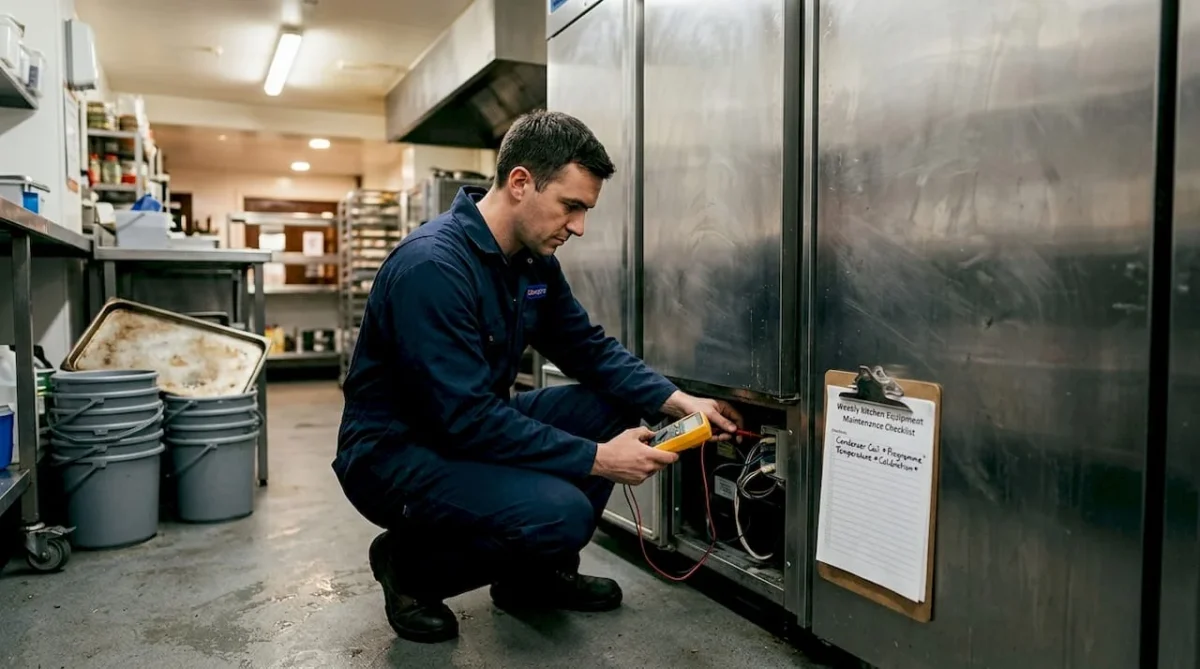
Maintenance neglect allows minor faults to accumulate into major system failures over time. Dirty condenser coils reduce heat rejection efficiency, forcing compressors to work harder and run longer to achieve target temperatures. Loose electrical connections create resistance that generates heat, eventually causing terminal failure or fire hazards. Worn door seals allow warm air infiltration that increases runtime and energy consumption whilst accelerating component wear.
Pro tip: Schedule quarterly thermal imaging surveys of electrical panels and refrigeration equipment to identify hot spots indicating loose connections or failing components before they cause breakdowns.
Preventive maintenance programmes deliver measurable returns through reduced energy consumption, extended equipment lifespan, and fewer emergency repairs. Regular servicing identifies developing faults during their early stages when repairs remain simple and inexpensive. Facilities implementing structured maintenance schedules report 40-60% reductions in emergency callout frequency compared to reactive maintenance approaches.
- Install dedicated circuits with appropriately rated breakers for each refrigeration unit
- Test voltage levels during peak demand periods to identify supply issues
- Replace worn contactors and relays before they fail during critical periods
- Clean condenser coils monthly in high-dust environments, quarterly otherwise
- Verify door seal integrity and adjust hinges to maintain proper compression
Early detection of electrical faults prevents the cascading failures that transform minor issues into complete system breakdowns. Professional commercial refrigeration repair services employ diagnostic equipment that identifies developing problems invisible to visual inspection. Investing in comprehensive EcoFrost maintenance services provides regular expert assessment alongside priority response when urgent issues arise.
Repair versus replacement: making informed decisions
Equipment age fundamentally influences repair versus replacement decisions, with units exceeding 10-15 years of service typically justifying replacement rather than continued repair investment. Older systems operate less efficiently than modern alternatives, consuming more energy whilst delivering reduced performance. Repair costs exceeding 50% of new equipment prices signal replacement as the economically rational choice, particularly when combined with frequent breakdown history.
Failure frequency provides critical decision data beyond simple age calculations. Units requiring multiple repairs within a 12-month period demonstrate systemic reliability issues unlikely to resolve through continued maintenance. Each breakdown carries operational costs beyond repair invoices, including lost sales, spoiled inventory, and staff time managing the disruption. Cumulative annual repair expenses often exceed the depreciated value of older equipment, making replacement financially advantageous even before considering energy savings.
Energy efficiency improvements in modern refrigeration technology deliver substantial ongoing savings that offset initial capital investment. New units consume 20-40% less electricity than 10-year-old equivalents whilst providing superior temperature control and monitoring capabilities. These operational savings compound annually, improving payback periods and total cost of ownership calculations.
| Factor | Repair | Replace |
|---|---|---|
| Equipment age | Under 7 years | Over 12 years |
| Repair cost | Under 40% of new price | Over 50% of new price |
| Failure frequency | First major fault | Multiple annual breakdowns |
| Energy efficiency | Acceptable consumption | 30%+ higher than new models |
| Parts availability | Readily available | Discontinued or scarce |
| Warranty coverage | Active warranty period | Expired warranty |
Pro tip: Calculate total cost of ownership over a five-year horizon including energy consumption, expected repairs, and downtime costs to make data-driven replacement decisions rather than reacting to individual breakdown events.
Strategic replacement planning allows you to schedule installations during low-demand periods, negotiate favourable pricing, and select optimal equipment specifications rather than accepting whatever units suppliers have immediately available. Understanding how to approach selecting commercial refrigeration for your specific operational requirements ensures new installations deliver maximum value. Professional commercial fridge freezer installation services ensure proper sizing, placement, and commissioning that optimises performance from day one.
Replacement decisions should incorporate future operational plans, anticipated volume changes, and evolving regulatory requirements around refrigerants and energy efficiency. Investing in appropriately specified modern equipment positions your facility for reliable long-term operation whilst minimising total ownership costs.
How EcoFrost helps you prevent refrigeration failures
Refrigeration reliability demands expert attention that most facility teams cannot provide alongside their other responsibilities. EcoFrost’s tailored maintenance programmes detect developing faults during routine servicing, addressing issues before they escalate into costly emergency breakdowns. Our technicians employ diagnostic equipment and thermal imaging to identify problems invisible to standard inspection, catching compressor wear, refrigerant leaks, and electrical faults in their early stages.
Rapid response capabilities minimise downtime when urgent issues arise, with priority scheduling for maintenance contract clients ensuring your refrigeration receives immediate attention. Expert commercial refrigeration repair services resolve faults efficiently using genuine parts and proven techniques that restore full performance. Comprehensive refrigeration servicing and maintenance plans include regular inspections, cleaning, calibration, and performance testing that keep systems operating at peak efficiency. When replacement becomes necessary, professional commercial fridge and freezer installation ensures optimal equipment selection and proper commissioning.
Pro tip: Schedule EcoFrost maintenance visits quarterly rather than annually to catch seasonal issues and maintain consistent system performance throughout the year.
Frequently asked questions
What are the main causes of refrigeration system failures?
Compressor faults lead all failure categories, causing over one-third of commercial refrigeration breakdowns through overheating and mechanical wear. Refrigerant leaks, defrost system malfunctions, and electrical issues including power surges and failed relays account for the majority of remaining failures. Contamination and poor maintenance practices accelerate these problems, transforming minor issues into major system failures.
How can facility managers reduce the risk of refrigeration failures?
Implementing quarterly professional maintenance inspections catches developing faults before they cause breakdowns, reducing emergency repair frequency by 40-60%. Installing 24/7 temperature monitoring systems with immediate alert capabilities enables rapid response to developing problems, preventing total stock losses from overnight failures. Maintaining clean condenser coils, verifying door seal integrity, and ensuring adequate ventilation around equipment extends component lifespan substantially.
When should businesses consider replacing refrigeration equipment?
Replacement becomes economically justified when repair costs exceed 50% of new equipment prices or when units require multiple repairs annually. Equipment age beyond 10-15 years typically indicates replacement regardless of current condition, as energy efficiency improvements in modern systems deliver substantial ongoing savings. Discontinued parts availability and expired warranties further support replacement decisions for older units.
What financial impacts do refrigeration failures have?
Four-hour display case outages cause hundreds of pounds in lost sales, whilst full-store refrigeration failures exceed £10,000 in combined inventory and revenue losses. Annual spoilage from refrigeration issues ranges £40,000 to £400,000 for typical retail operations, representing substantial unplanned expenses. Reputational damage and emergency repair premiums compound these direct costs, making failure prevention critical to protecting profitability.