
Many business owners assume commercial refrigeration must harm the environment to function effectively. This misconception costs companies money whilst contributing unnecessarily to climate change. Sustainable refrigeration systems prove this belief wrong by delivering powerful cooling performance whilst dramatically reducing environmental impact and operational expenses. Modern eco-friendly technologies combine energy-efficient equipment, low-impact refrigerants, and smart maintenance practices to create refrigeration solutions that benefit both your business and the planet. This guide explains the principles behind sustainable refrigeration, explores the technologies making it possible, and shows you exactly how to implement these solutions in your commercial operations.
Table of Contents
- Key takeaways
- Understanding sustainable refrigeration
- Eco-friendly refrigerants and energy-efficient technologies
- Maintaining sustainable refrigeration systems for optimal performance
- Implementing sustainable refrigeration in your commercial business
- Explore EcoFrost’s sustainable cooling solutions
- Frequently asked questions
Key Takeaways
| Point | Details |
|---|---|
| Energy efficient technologies | Modern systems use variable speed compressors, enhanced insulation, and smart controls to cut energy use and optimise performance. |
| Low GWP refrigerants | Natural refrigerants such as CO2 and ammonia offer lower environmental impact and reduce damage from leaks. |
| Lifecycle management | Lifecycle management considers environmental impact from manufacture to disposal, and proper maintenance extends equipment life. |
| Regulatory compliance | Sustainable systems help meet tightening regulations while delivering immediate energy and cost savings. |
Understanding sustainable refrigeration
Sustainable refrigeration reduces greenhouse gas emissions and energy consumption by designing cooling systems that prioritise environmental responsibility without compromising performance. These systems integrate three core principles: maximising energy efficiency through advanced technologies, using refrigerants with minimal global warming potential, and implementing lifecycle management practices that reduce waste.
Energy efficiency forms the foundation of sustainable refrigeration. Modern systems use variable speed compressors that adjust power consumption based on actual cooling demand rather than running at full capacity constantly. Enhanced insulation materials reduce thermal transfer, meaning less energy is required to maintain target temperatures. Smart controls monitor conditions in real time and optimise system performance automatically.
Low-global warming potential refrigerants represent the second pillar. Traditional refrigerants like R-404A contribute significantly to climate change when released into the atmosphere. Natural alternatives such as carbon dioxide, ammonia, and hydrocarbons deliver equivalent cooling performance whilst causing far less environmental damage if leaks occur.
Lifecycle management completes the sustainable approach. This means considering environmental impact from manufacturing through installation, operation, and eventual disposal. Proper maintenance extends equipment lifespan, reducing the frequency of replacements and associated manufacturing emissions.
Commercial operators gain substantial benefits from sustainable refrigeration:
- Dramatically reduced energy bills through efficient operation
- Compliance with increasingly strict environmental regulations
- Enhanced corporate reputation amongst environmentally conscious customers
- Lower maintenance costs due to superior equipment design
- Reduced risk of expensive refrigerant leak penalties
Understanding refrigeration compliance importance becomes crucial as regulations tighten. Businesses investing in sustainable systems position themselves ahead of regulatory changes whilst immediately benefiting from operational savings.
Eco-friendly refrigerants and energy-efficient technologies
Refrigerant selection fundamentally determines a system’s environmental impact. Natural refrigerants like CO2 and ammonia offer lower environmental impact compared to synthetic alternatives that dominated commercial refrigeration for decades.
| Refrigerant type | Global warming potential | Ozone depletion | Commercial suitability | Cost implications |
|---|---|---|---|---|
| CO2 (R-744) | 1 | Zero | Excellent for medium/large systems | Moderate initial, low operating |
| Ammonia (R-717) | 0 | Zero | Industrial applications | Low initial and operating |
| Hydrocarbons | 3-20 | Zero | Small to medium systems | Low to moderate |
| HFO blends | 4-1500 | Zero | Wide commercial use | Higher initial, moderate operating |
| R-404A (legacy) | 3922 | Zero | Being phased out | Increasingly expensive |
Carbon dioxide refrigeration systems work exceptionally well in supermarkets and large commercial facilities. Whilst requiring higher operating pressures than traditional systems, CO2 delivers superior energy efficiency in cold climates and produces no environmental damage if leaks occur. The refrigerant itself costs less than synthetic alternatives, offsetting higher initial equipment investment.
Ammonia suits industrial refrigeration perfectly, particularly in food processing and cold storage facilities. Its excellent thermodynamic properties enable highly efficient operation, though it requires careful handling due to toxicity concerns. Properly designed ammonia systems deliver the lowest lifecycle costs of any refrigeration technology.
Energy-saving technologies transform how commercial refrigeration consumes power:
- Variable speed compressors adjust output to match actual cooling demand, reducing energy waste during partial load conditions
- Electronic expansion valves provide precise refrigerant flow control, optimising system efficiency across operating conditions
- Heat recovery systems capture waste heat from refrigeration for space heating or hot water production
- Advanced insulation materials with superior thermal resistance reduce cooling load requirements
- LED lighting generates minimal heat inside refrigerated spaces compared to traditional fixtures
Pro Tip: When selecting refrigerants, balance environmental performance with practical considerations like equipment availability, service technician expertise in your area, and total lifecycle costs rather than focusing solely on initial purchase price.
Businesses adopting energy efficient refrigeration types typically see energy consumption drop by 30 to 50 percent compared to legacy systems. These savings compound over equipment lifespan, often recovering higher initial investment within three to five years whilst delivering ongoing cost reductions.
Maintaining sustainable refrigeration systems for optimal performance
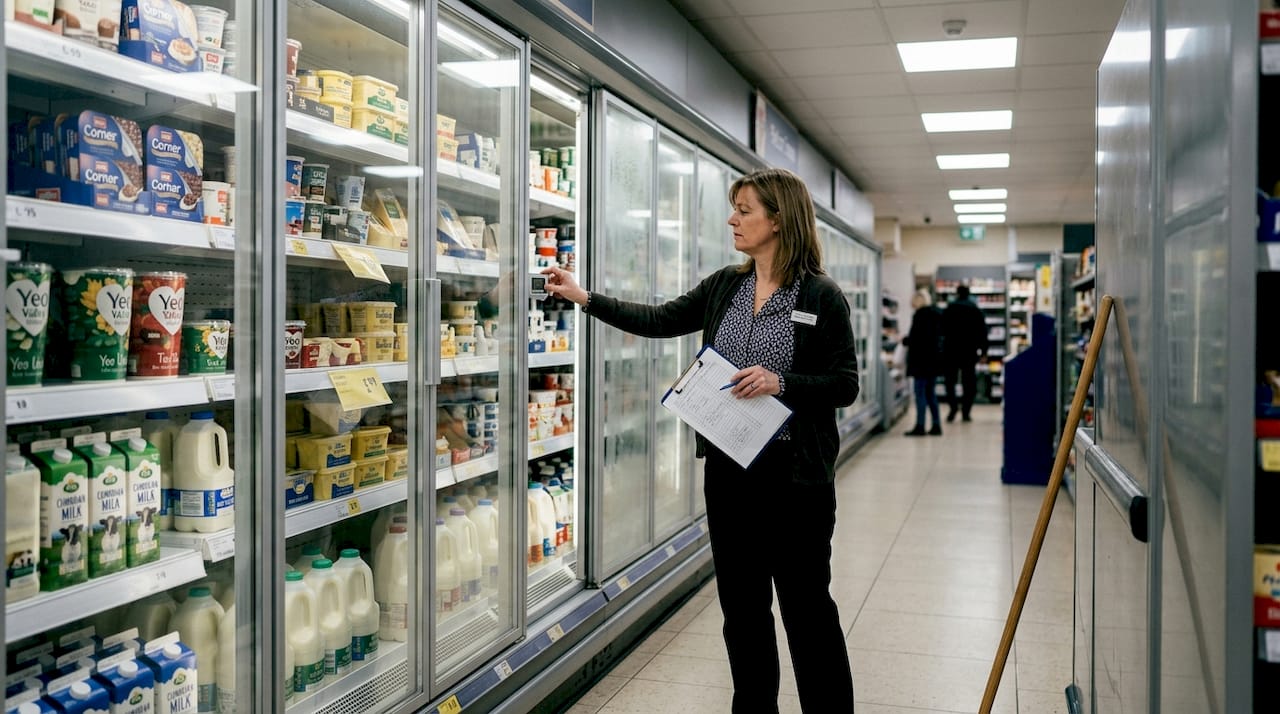
Sustainable refrigeration requires consistent maintenance to deliver promised efficiency and environmental benefits. Regular maintenance improves system reliability, reduces energy use, and extends equipment lifespan whilst preventing costly breakdowns that compromise product safety.
Follow this maintenance schedule for optimal sustainable refrigeration performance:
- Conduct weekly visual inspections checking for frost buildup, unusual sounds, and temperature consistency across all refrigerated spaces
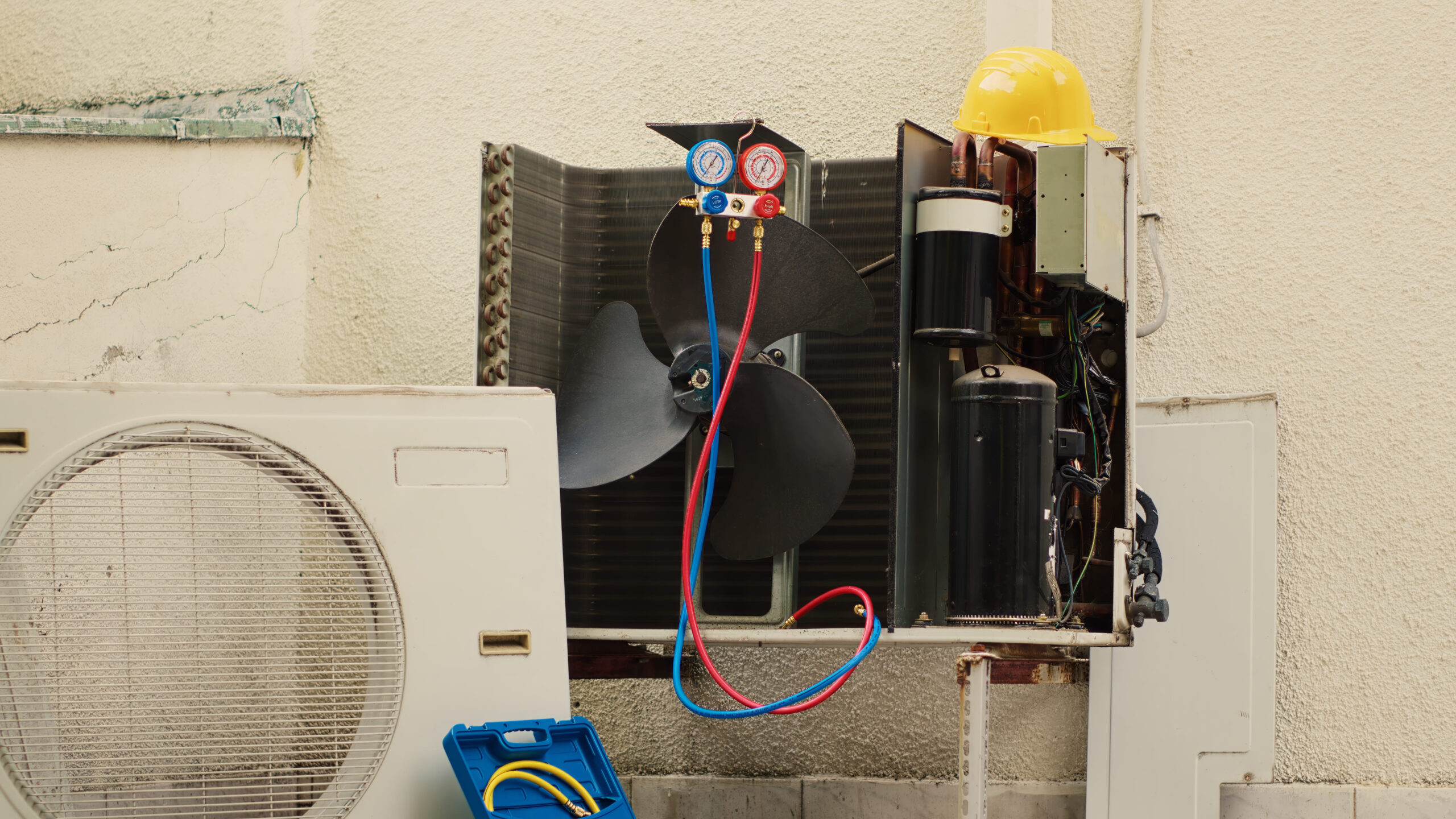
- Perform monthly condenser coil cleaning to maintain heat transfer efficiency, as dirty coils force compressors to work harder and consume more energy
- Check refrigerant levels quarterly using calibrated gauges, documenting readings to identify slow leaks before they become serious problems
- Schedule professional servicing every six months including comprehensive system diagnostics, leak detection, and component testing
- Complete annual compliance audits verifying refrigerant records, system performance, and regulatory adherence
- Calibrate temperature controls and sensors annually to ensure accurate readings and optimal system operation
Refrigerant leak monitoring deserves special attention in sustainable systems. Even small leaks undermine environmental benefits and increase operating costs as systems work harder to compensate for reduced refrigerant charge. Modern leak detection equipment identifies problems early, allowing repairs before significant refrigerant loss occurs.
System calibration maintains efficiency as equipment ages. Temperature sensors drift over time, causing systems to overcool or undercool spaces. Pressure controls require periodic adjustment to maintain optimal operating conditions. Electronic expansion valves need recalibration to ensure precise refrigerant flow.
Professional servicing through refrigeration maintenance services catches problems invisible to untrained observers. Technicians measure superheat and subcooling values, assess compressor performance, verify proper oil levels, and test safety controls. These comprehensive checks prevent minor issues from escalating into expensive failures.
Compliance audits protect businesses from regulatory penalties whilst documenting environmental stewardship. Maintaining detailed records of refrigerant purchases, leak repairs, and system servicing demonstrates responsible operation to regulators and customers alike.
Pro Tip: Integrate refrigeration maintenance into your broader facility management calendar rather than treating it as separate. This ensures maintenance happens consistently and allows coordination with other building systems for maximum efficiency.
Businesses with robust maintenance programmes report 40 percent fewer emergency breakdowns and 25 percent lower total operating costs compared to those practicing reactive maintenance only when problems occur.
Implementing sustainable refrigeration in your commercial business
Selecting appropriate sustainable refrigeration requires matching system capabilities to your specific operational requirements. Choosing the right refrigeration depends on your business size, type, and cooling needs for optimal sustainability outcomes.
Consider these factors when evaluating sustainable refrigeration options:
- Total cooling capacity needed across all refrigerated spaces in your facility
- Temperature requirements ranging from frozen storage to chilled display areas
- Available space for equipment installation including outdoor condensing units
- Budget for initial investment versus long-term operational savings
- Local climate conditions affecting system efficiency and refrigerant selection
- Existing electrical infrastructure and any required upgrades
- Maintenance access and availability of qualified service technicians
- Regulatory requirements specific to your industry and location
| System type | Capacity range | Initial cost | Sustainability rating | Best applications |
|---|---|---|---|---|
| CO2 transcritical | Large | High | Excellent | Supermarkets, large retail |
| Ammonia | Industrial | Moderate | Excellent | Food processing, warehouses |
| Hydrocarbon | Small to medium | Moderate | Very good | Restaurants, small shops |
| HFO cascade | Medium to large | High | Good | Mixed temperature facilities |
| Glycol systems | Variable | Moderate | Good | Distributed cooling needs |
Implementing sustainable refrigeration follows a structured process. Begin with a comprehensive energy audit identifying current consumption patterns and inefficiencies. This baseline measurement quantifies potential savings and justifies investment in sustainable technology.
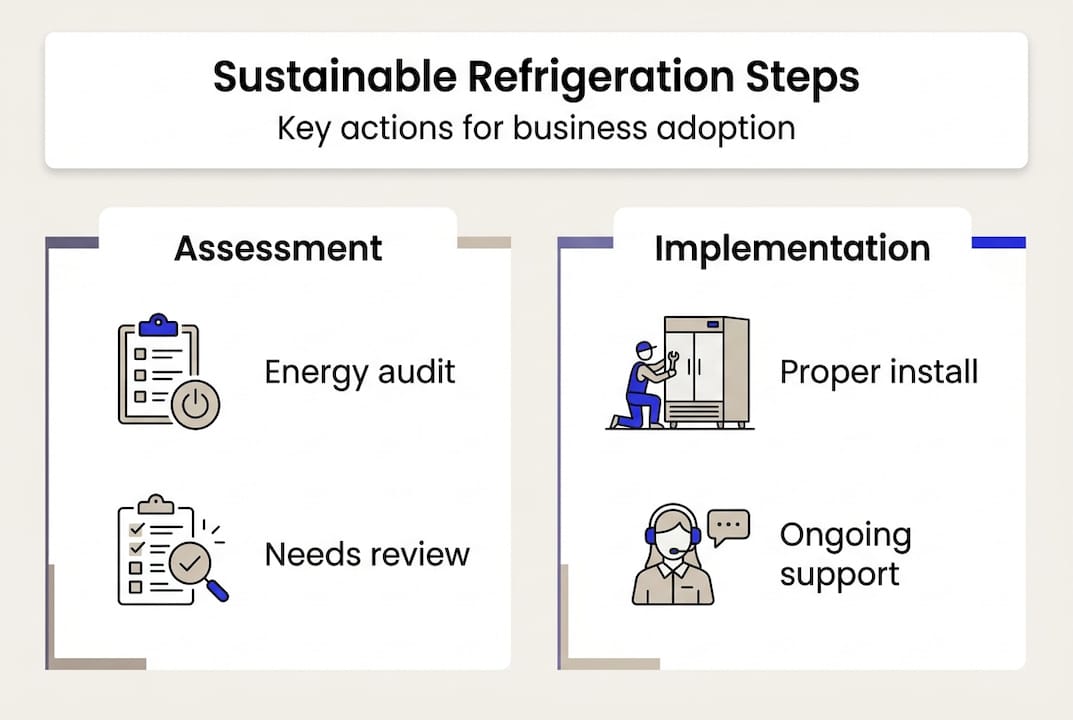
Consult refrigeration specialists who understand both environmental technologies and your industry requirements. Generic contractors may lack experience with natural refrigerants or advanced efficiency technologies. Specialists help navigate equipment selection, regulatory compliance, and optimisation strategies specific to sustainable systems.
Plan installation timing to minimise business disruption. Refrigeration replacement often requires temporary cooling solutions during transition periods. Coordinate with suppliers and contractors to ensure smooth changeover without compromising product safety or customer service.
Commission new systems properly with thorough testing and calibration. Rushed installations compromise performance and efficiency. Invest time ensuring every component operates correctly before relying on the system for critical cooling.
Partner with reputable service providers offering ongoing support beyond initial installation. Sustainable refrigeration technologies require specialised knowledge for maintenance and troubleshooting. Establishing relationships with qualified technicians prevents problems and optimises long-term performance.
Businesses following systematic implementation approaches report smoother transitions and faster realisation of efficiency benefits. Proper planning prevents costly mistakes whilst maximising return on sustainable refrigeration investment. Understanding selecting commercial refrigeration fundamentals empowers informed decisions aligned with both environmental and business objectives.
Explore EcoFrost’s sustainable cooling solutions
Transitioning to sustainable refrigeration delivers measurable environmental and financial benefits, but success requires expert guidance and professional implementation. EcoFrost specialises in designing, installing, and maintaining commercial refrigeration systems that prioritise both performance and sustainability across diverse business sectors.
Our team brings over a decade of experience implementing eco-friendly cooling solutions for businesses throughout the UK, Qatar, and India. We understand the unique challenges commercial operators face when balancing environmental responsibility with operational demands and budget constraints.
Whether you need commercial fridge freezer installation for a new facility or want to upgrade existing systems to sustainable technology, EcoFrost provides comprehensive support from initial consultation through ongoing maintenance. Our EcoFrost maintenance services ensure your sustainable refrigeration continues delivering optimal efficiency throughout its lifespan. Explore our commercial refrigeration selection guide to understand which sustainable solutions best match your business requirements and sustainability goals.
Frequently asked questions
What is sustainable refrigeration?
Sustainable refrigeration uses energy-efficient technologies and environmentally responsible refrigerants to provide commercial cooling whilst minimising greenhouse gas emissions and resource consumption. These systems balance operational performance with environmental stewardship through smart design and proper maintenance. Businesses benefit from lower operating costs alongside reduced environmental impact.
How do eco-friendly refrigerants reduce environmental impact?
Natural refrigerants like carbon dioxide, ammonia, and hydrocarbons have global warming potential ratings near zero compared to thousands for traditional synthetic refrigerants. When leaks occur, these natural substances cause minimal climate damage. They also eliminate ozone depletion concerns entirely whilst often delivering superior energy efficiency that further reduces environmental impact through lower electricity consumption.
What are the best practices for maintaining sustainable refrigeration?
Schedule professional servicing every six months including comprehensive leak detection, component testing, and system diagnostics. Perform monthly condenser cleaning and quarterly refrigerant level checks to maintain efficiency. Monitor energy consumption patterns to identify performance degradation early. Maintain detailed service records documenting all maintenance activities and refrigerant handling for compliance purposes.
How can I choose the right sustainable refrigeration system for my business?
Assess your total cooling capacity requirements, temperature ranges needed, and available installation space before evaluating equipment options. Consider initial investment against projected energy savings over equipment lifespan. Consult specialists familiar with natural refrigerants and sustainable technologies specific to your industry. Review energy efficiency ratings and environmental certifications to identify systems delivering genuine sustainability benefits rather than marketing claims.