
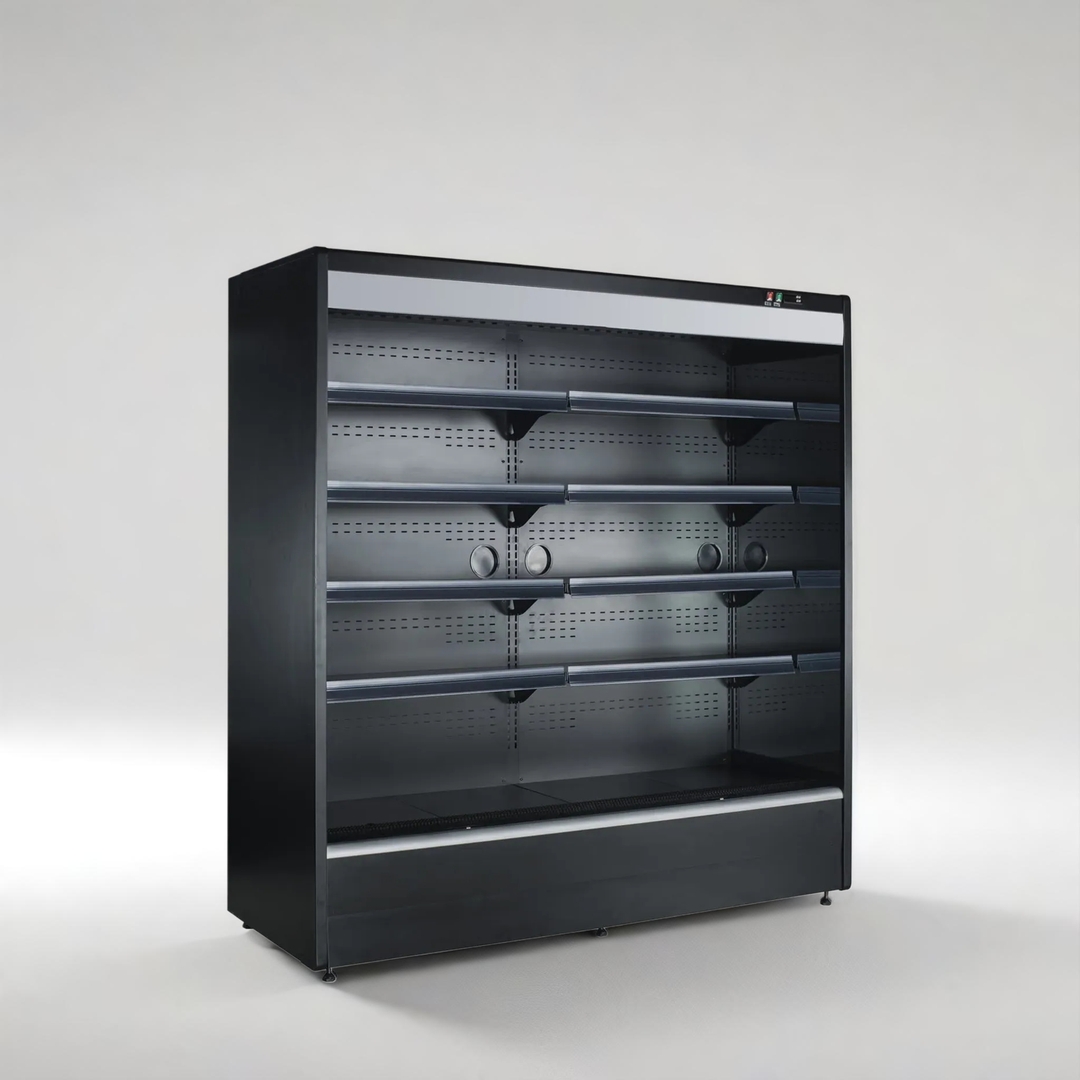
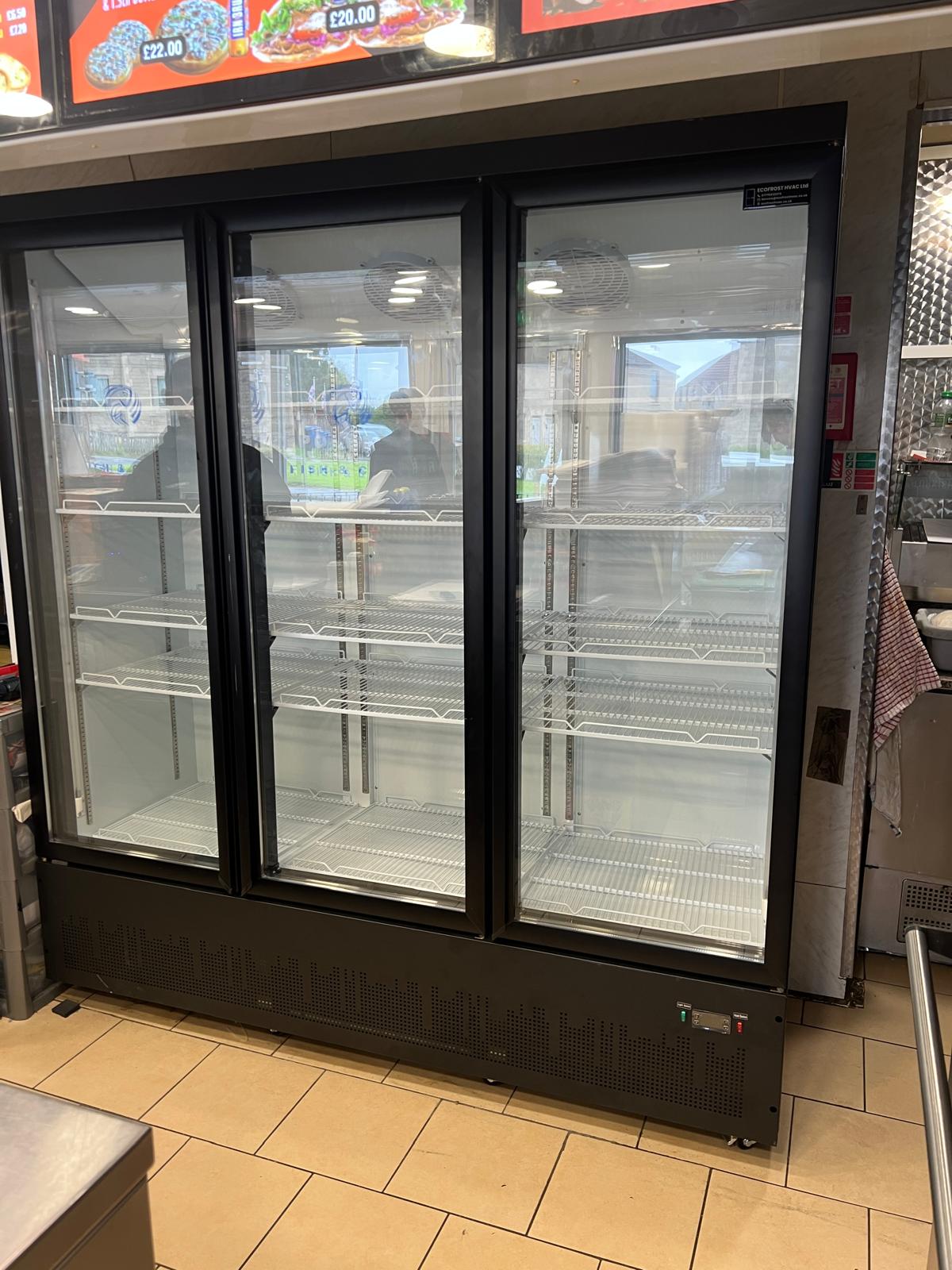
Commercial refrigeration is far more than keeping food cold. It safeguards public health, ensures regulatory compliance, and directly impacts your bottom line through energy costs and food waste reduction. Whether you operate a restaurant, hotel, or retail food outlet, understanding how commercial refrigeration systems function and what they require can transform your operational efficiency. This guide walks you through the essentials of commercial refrigeration, from compliance standards to maintenance best practices, equipping you with the knowledge to make informed decisions for your business.
Table of Contents
- Key takeaways
- What commercial refrigeration is and why it matters
- Regulatory compliance and standards for commercial refrigeration
- Types of commercial refrigeration systems and refrigerants used
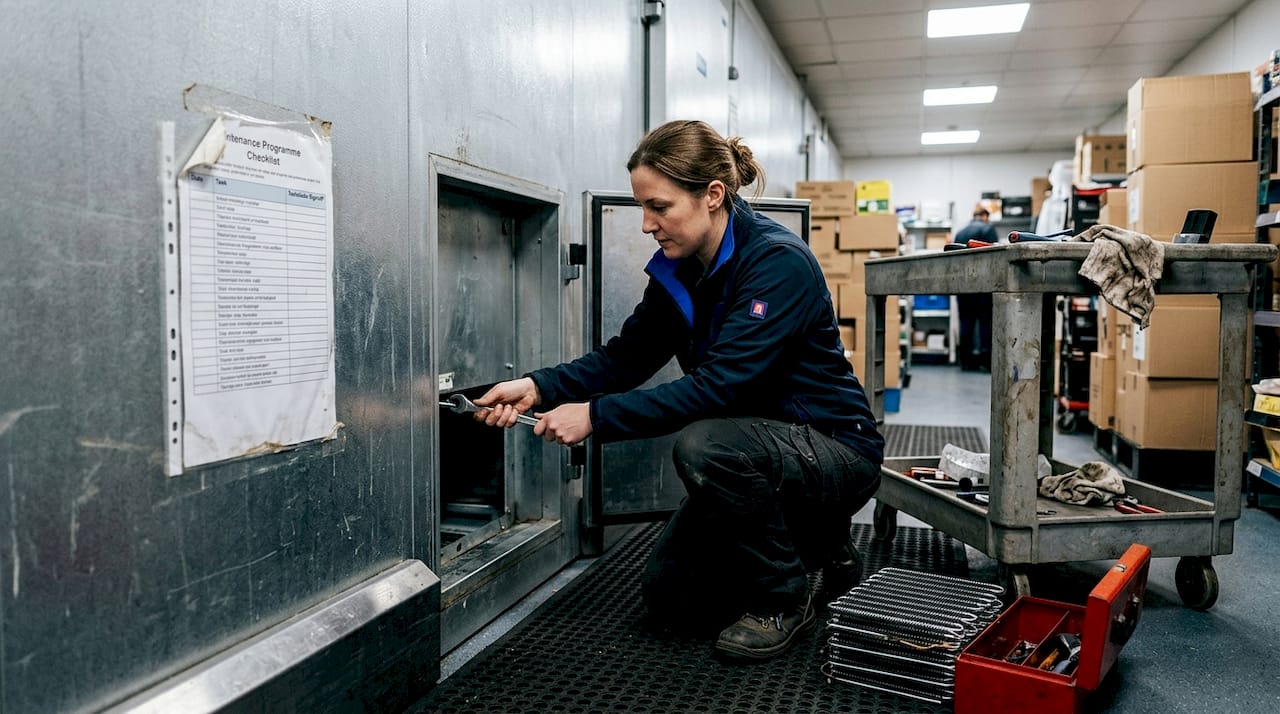
- Best practices for maintenance to enhance efficiency and lifespan
- Commercial refrigeration solutions from EcoFrost
- Frequently asked questions
Key Takeaways
| Point | Details |
|---|---|
| Temperature control importance | Maintaining tight temperature control protects public health and reduces waste. |
| Maintenance boosts efficiency | Well managed equipment runs more efficiently and lasts longer, cutting energy costs. |
| Regulatory compliance required | Compliance with temperature controls and NSF/ANSI 7 sanitation standards is essential to operate legally. |
| Eco friendly refrigerants | Choosing eco friendly refrigerants aligns with current regulations and sustainability. |
What commercial refrigeration is and why it matters
Commercial refrigeration encompasses specialised cooling equipment designed to preserve perishable goods at precise temperatures in business environments. Unlike domestic fridges, these systems handle higher volumes, operate continuously, and must meet stringent regulatory standards. They form the backbone of food service and retail operations, maintaining product quality from delivery to customer consumption.
The stakes extend beyond simple preservation. Food safety regulations mandate specific temperature ranges for different product categories, and failure to maintain these thresholds can result in spoilage, health hazards, and legal consequences. Your refrigeration system acts as your first line of defence against bacterial growth, with refrigeration accounting for 44% of kitchen electricity consumption, making it both a critical safety tool and a major operational expense.
Understanding how to select commercial refrigeration for your specific needs can dramatically reduce waste and improve profitability. Restaurants lose thousands annually to spoiled inventory from inadequate cooling, whilst retailers face customer complaints and returns from compromised products. The right system, properly maintained, pays for itself through extended product shelf life and reduced energy bills.
Key considerations when evaluating commercial refrigeration include:
- Capacity requirements based on inventory turnover and peak demand periods
- Energy efficiency ratings and long-term operating costs
- Compliance with current refrigerant regulations and environmental standards
- Accessibility for staff during service periods
- Maintenance requirements and service availability
Pro Tip: Calculate your refrigeration needs based on your busiest service periods, not average demand. Undersized equipment runs constantly, consuming more energy and wearing out faster, whilst oversized units cycle inefficiently and create temperature fluctuations that compromise food quality.
Regulatory compliance and standards for commercial refrigeration
Food safety legislation in the UK demands rigorous temperature control for time and temperature control for safety (TCS) foods. The FDA Food Code requires TCS foods held at or below 5°C and freezers at -18°C with NSF/ANSI 7 sanitation standards, establishing the baseline for legal operation. These thresholds aren’t arbitrary; they represent the temperatures at which harmful bacteria struggle to multiply, protecting public health.
Temperature monitoring must occur at least twice daily, with written logs maintained for inspection. Digital monitoring systems have become standard, providing real-time alerts when temperatures drift outside safe ranges. This documentation proves invaluable during health inspections and liability disputes, demonstrating your commitment to food safety protocols.
The NSF/ANSI 7 certification addresses sanitation design, requiring surfaces that resist corrosion, prevent bacterial harbourage, and facilitate thorough cleaning. Equipment lacking this certification may fail health inspections regardless of temperature performance. When purchasing new refrigeration units, verify certification documentation before installation.
Non-compliance carries severe penalties. Businesses face fines exceeding £8000 per day for serious violations, alongside potential closure orders and reputational damage that can prove fatal to customer trust. Understanding refrigeration compliance in 2026 helps you stay ahead of evolving regulations and avoid costly mistakes.
Compliance extends beyond temperature to encompass:
- Regular equipment inspections and maintenance documentation
- Staff training on proper food handling and storage procedures
- Calibration of temperature monitoring devices
- Emergency protocols for equipment failure
- Record retention for regulatory audits
“Temperature control is the single most critical factor in preventing foodborne illness. Equipment that cannot maintain consistent temperatures poses an unacceptable risk to public health and business viability.”
Types of commercial refrigeration systems and refrigerants used
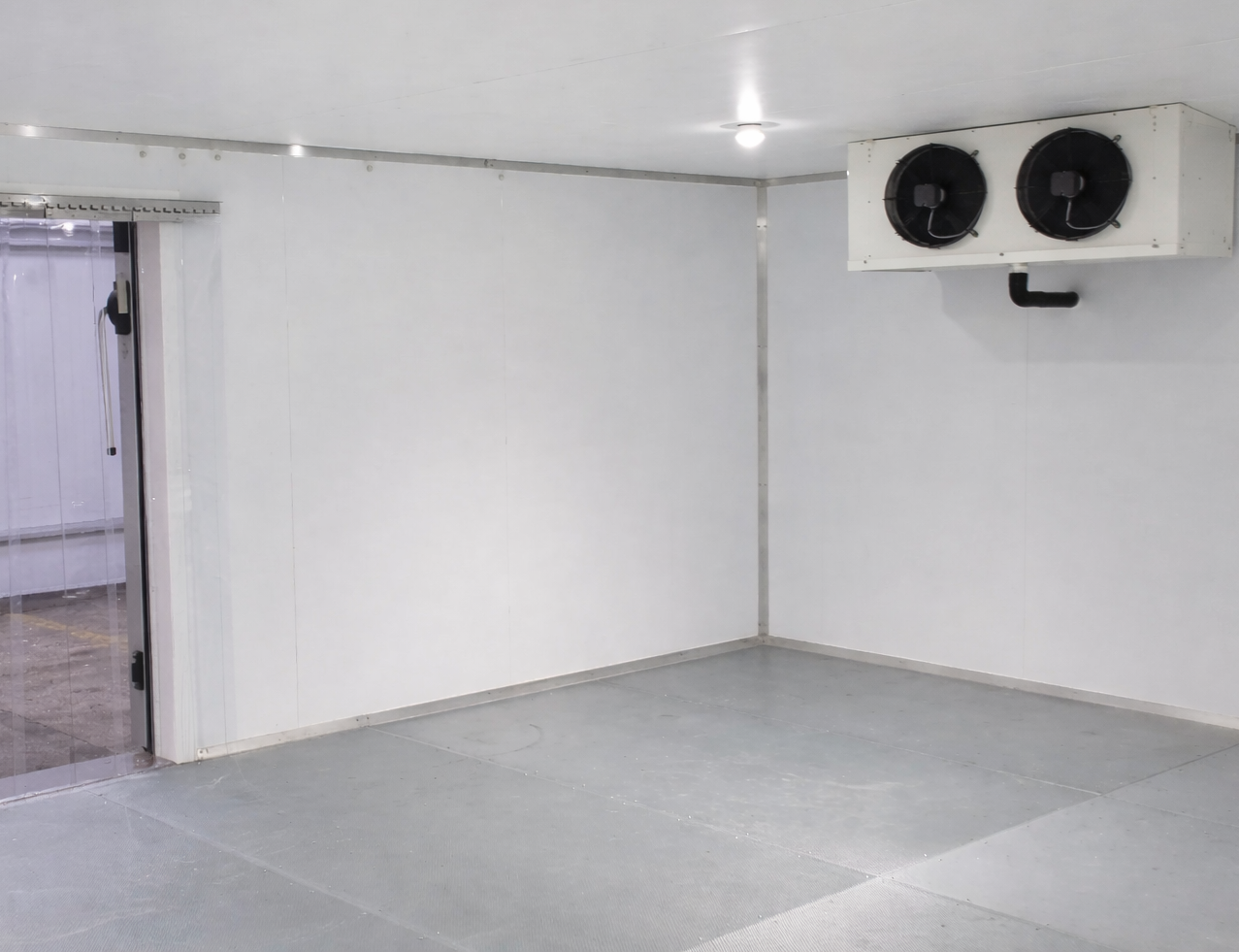
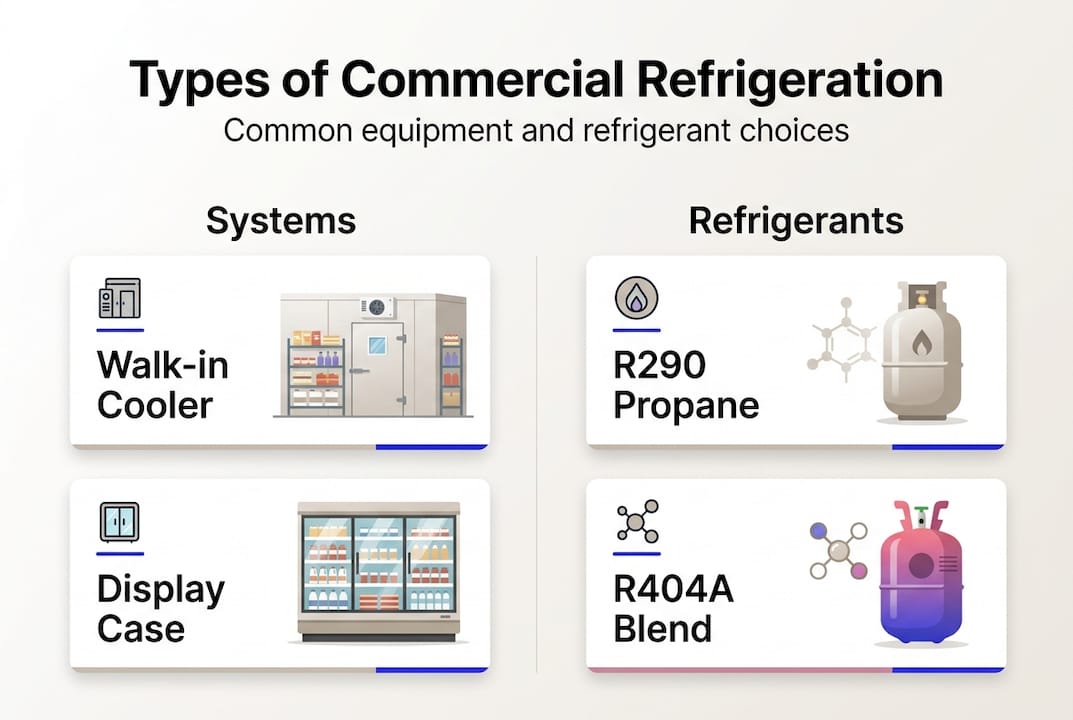
Selecting appropriate refrigeration equipment depends on your operational requirements, space constraints, and product mix. Reach-in refrigerators offer convenient access for frequently used items, fitting beneath counters or against walls in compact kitchens. Walk-in coolers provide bulk storage for high-volume operations, allowing staff to organise inventory efficiently and maintain proper stock rotation.
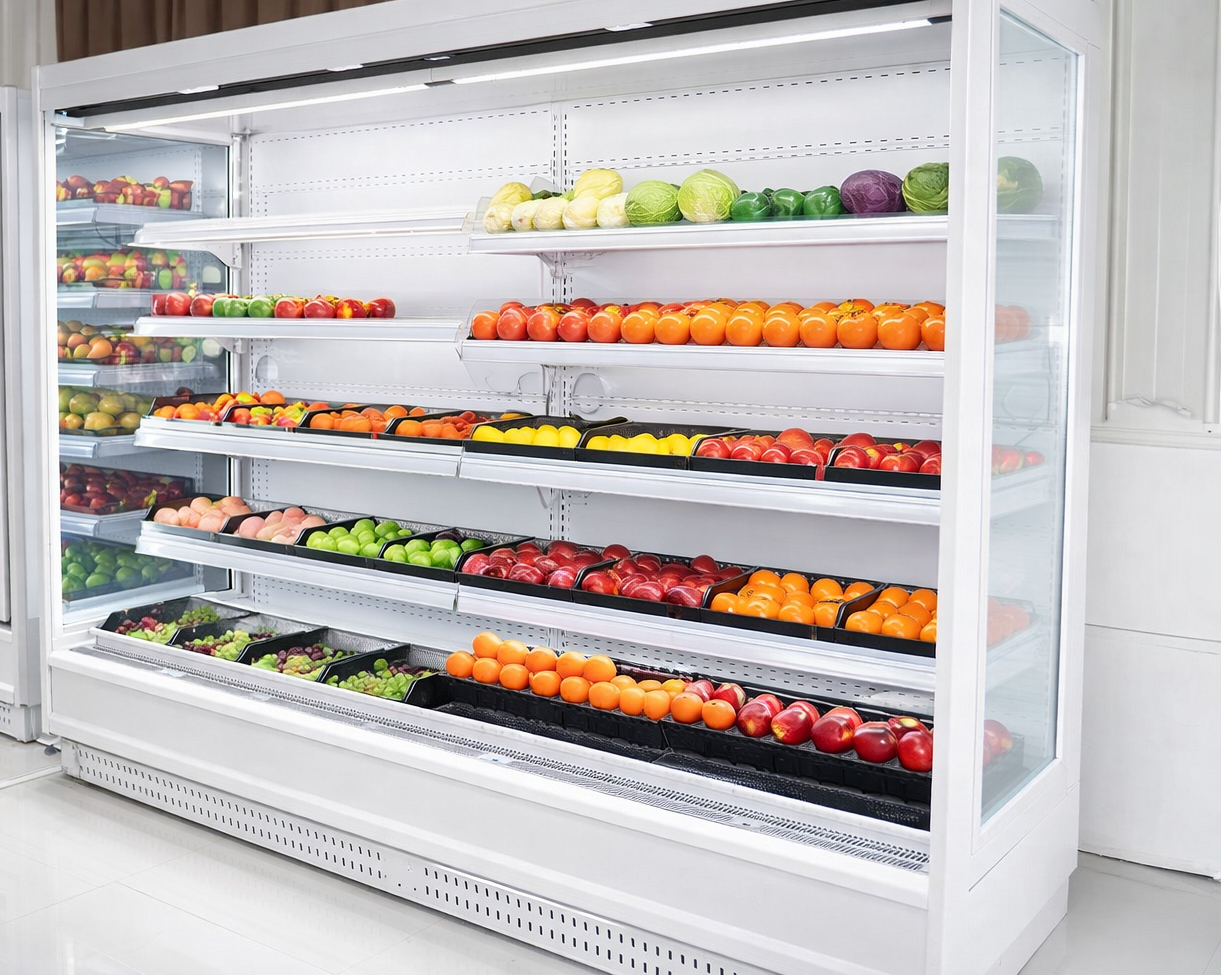
Display refrigeration serves dual purposes in retail environments, preserving products whilst showcasing them to customers. These units balance visibility with temperature control, using specialised glass and lighting that doesn’t compromise cooling efficiency. Remote refrigeration systems separate compressors from display cases, reducing noise and heat in customer areas whilst centralising maintenance access.
Refrigerant selection has evolved dramatically due to environmental regulations. R-22 refrigerants have been phased out; newer low-GWP refrigerants like R-454C, R-449A, R-744 (CO2), and R-290 are preferred, reflecting the industry’s shift towards sustainability. Understanding types of restaurant refrigeration helps you match equipment to your specific operational needs.
| Refrigerant | Global warming potential | Regulatory status | Best applications |
|---|---|---|---|
| R-454C | Low (148) | Approved, replacing R-404A | Medium temperature applications |
| R-449A | Medium (1397) | Approved transition refrigerant | Retrofit applications |
| R-744 (CO2) | Very low (1) | Preferred for new installations | Supermarket systems, cold storage |
| R-290 (Propane) | Very low (3) | Approved with safety protocols | Small commercial units |
| R-404A | High (3922) | Phase-down in progress | Legacy systems only |
Low-GWP refrigerants offer environmental benefits and regulatory compliance, but require careful handling due to different operating pressures and safety characteristics. R-290, whilst highly efficient, demands strict safety protocols due to flammability. CO2 systems excel in energy efficiency but require higher initial investment and specialised maintenance expertise.
When choosing refrigeration systems, consider:
- Compatibility with existing infrastructure and electrical capacity
- Service availability for specific refrigerant types in your area
- Long-term refrigerant availability and cost trends
- Staff training requirements for safe operation
- Retrofit options versus complete system replacement
Pro Tip: Future-proof your investment by selecting equipment compatible with next-generation refrigerants. Systems designed for R-454C or CO2 will remain compliant as regulations tighten, avoiding costly premature replacement.
Best practices for maintenance to enhance efficiency and lifespan
Systematic maintenance separates reliable refrigeration from costly breakdowns. Regular maintenance can reduce energy use up to 17% and extend equipment life by 30%, transforming maintenance from an expense into an investment. Daily tasks include temperature verification, door seal inspection, and visual checks for frost buildup or unusual sounds that signal developing problems.
Weekly maintenance involves cleaning condenser coils, which accumulate dust and grease that insulate components and force compressors to work harder. This simple task prevents the majority of refrigeration failures and energy waste. Check drain lines for blockages that cause water accumulation and potential mould growth, ensuring proper airflow around units by maintaining clearance from walls and other equipment.
Monthly deep cleaning addresses areas daily operations miss. Remove shelving to clean interior surfaces thoroughly, eliminating bacteria and odours that compromise food quality. Inspect door hinges and gaskets for wear, replacing them before failures occur. Test temperature alarms and backup systems to ensure they’ll function during actual emergencies.
Implement these maintenance priorities:
- Establish written maintenance schedules with assigned responsibilities and completion verification
- Train all staff on basic troubleshooting and when to call professional service
- Maintain spare parts inventory for commonly replaced components like gaskets and filters
- Schedule professional servicing quarterly to catch issues before they escalate
- Document all maintenance activities for warranty compliance and regulatory audits
- Monitor energy consumption patterns to identify efficiency degradation early
Common maintenance failures accelerate equipment deterioration. Ignoring minor refrigerant leaks leads to compressor damage and complete system failure. Delaying condenser cleaning causes overheating that shortens component life. Overlooking door seal damage allows warm air infiltration, forcing units to run continuously and driving energy costs upward.
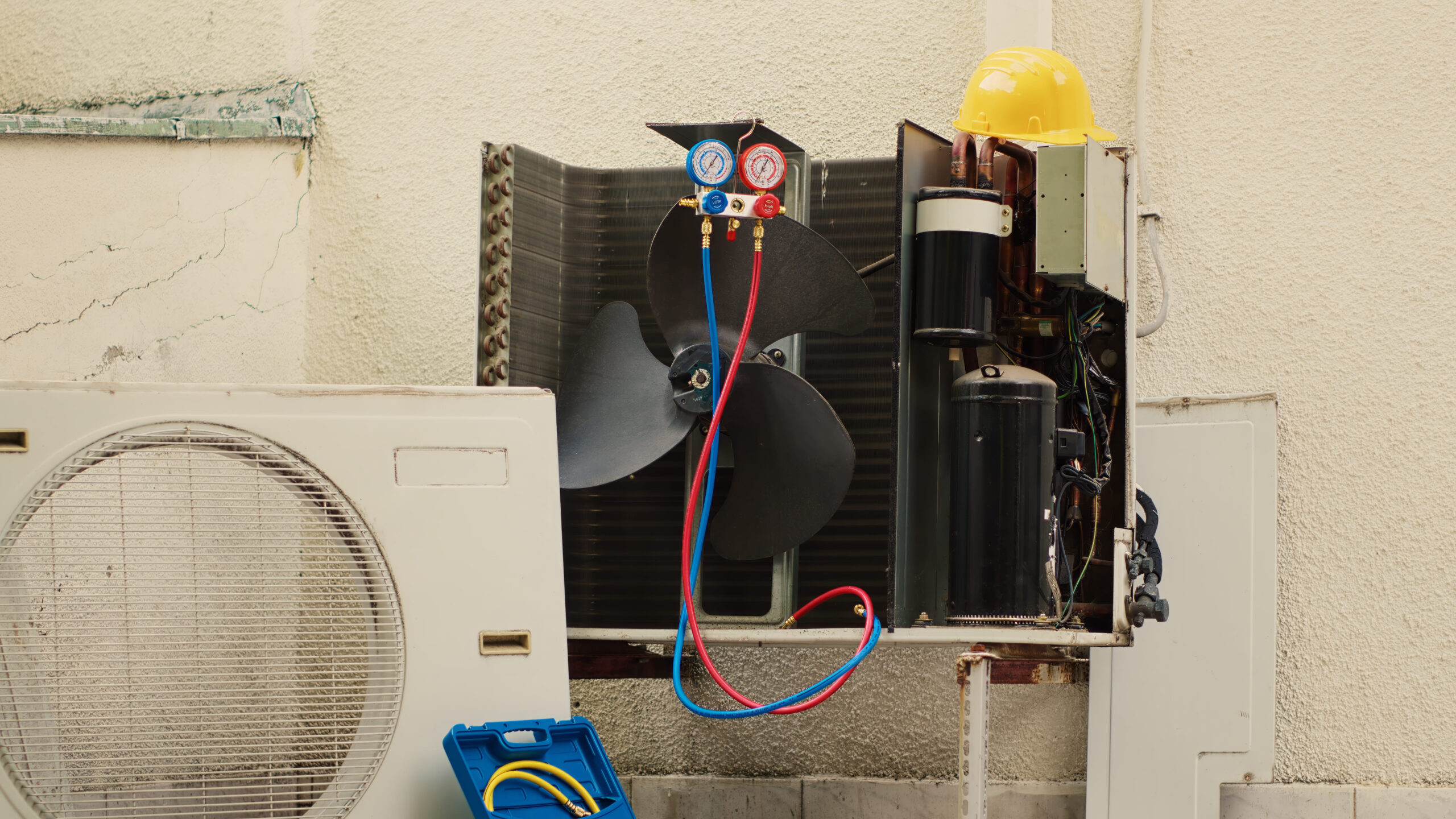
Professional servicing complements daily maintenance by addressing technical aspects beyond typical staff capabilities. Technicians verify refrigerant charge levels, test electrical components, calibrate controls, and identify wear patterns that predict future failures. Partnering with EcoFrost maintenance services ensures your equipment receives expert attention, maximising reliability and performance. Understanding refrigeration maintenance importance helps you prioritise this critical operational element.
Pro Tip: Create a maintenance logbook that travels with your equipment through ownership changes. Documented maintenance history increases resale value and helps new technicians quickly understand equipment quirks and service history.
Commercial refrigeration solutions from EcoFrost
Your refrigeration system deserves expert attention from professionals who understand both the technical requirements and business implications. EcoFrost brings over a decade of experience delivering tailored solutions for hospitality and retail operations across the UK, Qatar, and India. We recognise that downtime costs you customers and revenue, which is why our service prioritises rapid response and lasting repairs.
Our commercial fridge freezer installation service ensures your new equipment integrates seamlessly with existing infrastructure, meeting all regulatory requirements whilst optimising energy efficiency. When equipment fails, our commercial refrigeration repair services restore operation quickly, minimising product loss and business disruption. Preventive maintenance through EcoFrost maintenance services keeps your systems running efficiently year-round, reducing emergency callouts and extending equipment lifespan. We help you navigate compliance requirements, select appropriate refrigerants, and implement maintenance schedules that protect your investment whilst supporting your sustainability goals.
Frequently asked questions
What types of businesses need commercial refrigeration?
Restaurants, hotels, cafes, supermarkets, convenience stores, catering companies, and any business storing or serving perishable food products require commercial refrigeration. Healthcare facilities, florists, and pharmaceutical operations also depend on specialised refrigeration for temperature-sensitive materials.
How does commercial refrigeration differ from domestic refrigeration?
Commercial units operate continuously under heavy use, feature more robust construction, and must meet stricter regulatory standards including NSF certification. They offer larger capacities, faster temperature recovery after door openings, and serviceability for professional maintenance, unlike domestic appliances designed for light household use.
What is the typical lifespan of commercial refrigeration equipment?
Properly maintained commercial refrigeration lasts 10 to 15 years, though compressors may require replacement around year 8. Neglected equipment fails within 5 to 7 years. Regular professional servicing, prompt repairs, and adherence to maintenance schedules dramatically extend operational life and return on investment.
Are modern refrigerants safe for my staff and customers?
Current low-GWP refrigerants approved for commercial use meet rigorous safety standards when properly installed and maintained. R-290 requires additional ventilation and leak detection due to flammability, but poses minimal risk in correctly designed systems. Professional installation and regular inspections ensure safe operation.
How can I reduce energy costs from commercial refrigeration?
Schedule regular condenser cleaning, verify door seals remain airtight, maintain proper clearances for airflow, and avoid overloading units. Upgrading to energy-efficient models with modern refrigerants can reduce consumption by 20 to 40%. Installing strip curtains on walk-ins and training staff on proper door usage also yield significant savings.
When should I replace rather than repair refrigeration equipment?
Replace equipment when repair costs exceed 50% of replacement value, when refrigerant types face regulatory phase-out, or when energy consumption significantly exceeds modern standards. Units requiring frequent repairs or struggling to maintain temperatures despite servicing have reached end of life and cost more to operate than replace.
Recommended
- How to select commercial refrigeration for your business
- Commercial Fridge & Freezer Installation – EcoFrost Hvac
- Why refrigeration matters in restaurants: ensure safety
- Types of restaurant refrigeration for efficient food storage in 2026
- Guía Esencial De Tecnico Para Refrigeradores 2026
- Metal Roofing for Businesses: Complete Guide – Liberty Roofworks