
TL;DR:
- Proper system selection depends on size, ambient conditions, scalability, and compliance needs.
- Self-contained units suit small spaces; remote systems excel in large, scalable, energy-efficient setups.
- Regular maintenance and understanding environmental factors are crucial for long-term refrigeration performance.
Choosing the right refrigeration setup for your commercial premises is rarely straightforward. You are balancing energy costs, compliance obligations, installation constraints, and the daily operational demands of a busy kitchen, hotel, or retail floor. Get it wrong and you face spiralling energy bills, food safety risks, and costly emergency repairs. Get it right and refrigeration becomes a reliable, low-maintenance asset that protects your stock and your margins. This article walks you through the key selection criteria, the best self-contained and remote options available, a direct comparison of both systems, and practical guidance to help you make a confident, well-informed decision.
Table of Contents
- How to evaluate refrigeration solutions for commercial needs
- Top self-contained refrigeration options: Efficient and easy install
- Remote refrigeration systems: Scalable solutions for hotels and retail
- Comparison table: Self-contained vs remote refrigeration
- A practical perspective: Decision-making tips for commercial refrigeration
- Expert support for refrigeration upgrades and maintenance
- Frequently asked questions
Key Takeaways
| Point | Details |
|---|---|
| Efficiency is critical | Choosing ENERGY STAR or DOE-compliant units delivers up to 40% savings for commercial operations. |
| Solution depends on scale | Self-contained units are best for small premises, while remote systems offer scalability and high performance for larger businesses. |
| Maintenance matters | Routine checks and cleaning protect performance and reduce costly downtime. |
| Regulations impact choices | Low-GWP refrigerants and compliance standards are vital for cost-effective, future-proof refrigeration. |
How to evaluate refrigeration solutions for commercial needs
Now that you understand the challenge, let’s break down what to look for when choosing a refrigeration setup. The refrigeration selection process involves far more than picking a unit that fits your floor space. Energy efficiency, regulatory compliance, installation type, and your specific operating environment all carry significant weight.
Energy efficiency is your starting point. ENERGY STAR models delivering substantial savings are now the benchmark for commercial buyers, with the US Department of Energy setting minimum performance standards that influence global procurement. In practice, this means looking for units with variable frequency drives (VFDs), electronically commutated (ECM) fan motors, and hot gas defrost systems. These features reduce electricity consumption during low-demand periods and recover temperature quickly after door openings, both of which matter enormously in high-traffic environments.
Refrigerant compliance is equally important. Many older systems still use high global warming potential (GWP) refrigerants that face tightening restrictions across the UK and EU. Understanding sustainable refrigeration options now will save you from costly retrofits later. Low-GWP alternatives such as R290, R600a, CO2, and ammonia are increasingly the standard in new commercial installations.
Installation type shapes your total cost of ownership. Self-contained units house the compressor and condenser within the cabinet itself, making them simpler and faster to install. Remote systems separate the condensing unit from the display or storage cabinet, which reduces heat output in the serving area and allows greater flexibility in layout. Understanding refrigeration mechanics at a basic level helps you have more productive conversations with your installer.
Your operating environment also matters more than most buyers realise. Ambient temperature in the kitchen or retail floor directly affects how hard the compressor works. High-traffic areas with frequent door cycles demand fast temperature recovery to maintain food safety standards.
Key criteria to assess before purchasing:
- Energy rating: Look for DOE or ENERGY STAR compliant models as a minimum standard
- Refrigerant type: Prioritise low-GWP options to future-proof against regulation changes
- Installation type: Self-contained for simplicity, remote for scalability
- Ambient temperature rating: Confirm the unit is rated for your specific environment
- Defrost system: Hot gas defrost outperforms electric defrost in most commercial settings
- Fan motor type: ECM fans use significantly less energy than standard shaded-pole motors
Pro Tip: If your premises run above 25°C ambient temperature regularly, always specify a unit with a higher ambient rating and fast temperature recovery. Undersizing at this stage is one of the most common and expensive mistakes we see.
Top self-contained refrigeration options: Efficient and easy install
With your selection criteria established, let’s review how self-contained units stack up for smaller spaces. These systems are genuinely well suited to cafés, independent restaurants, convenience stores, and small hotels where installation simplicity and lower upfront cost are priorities.
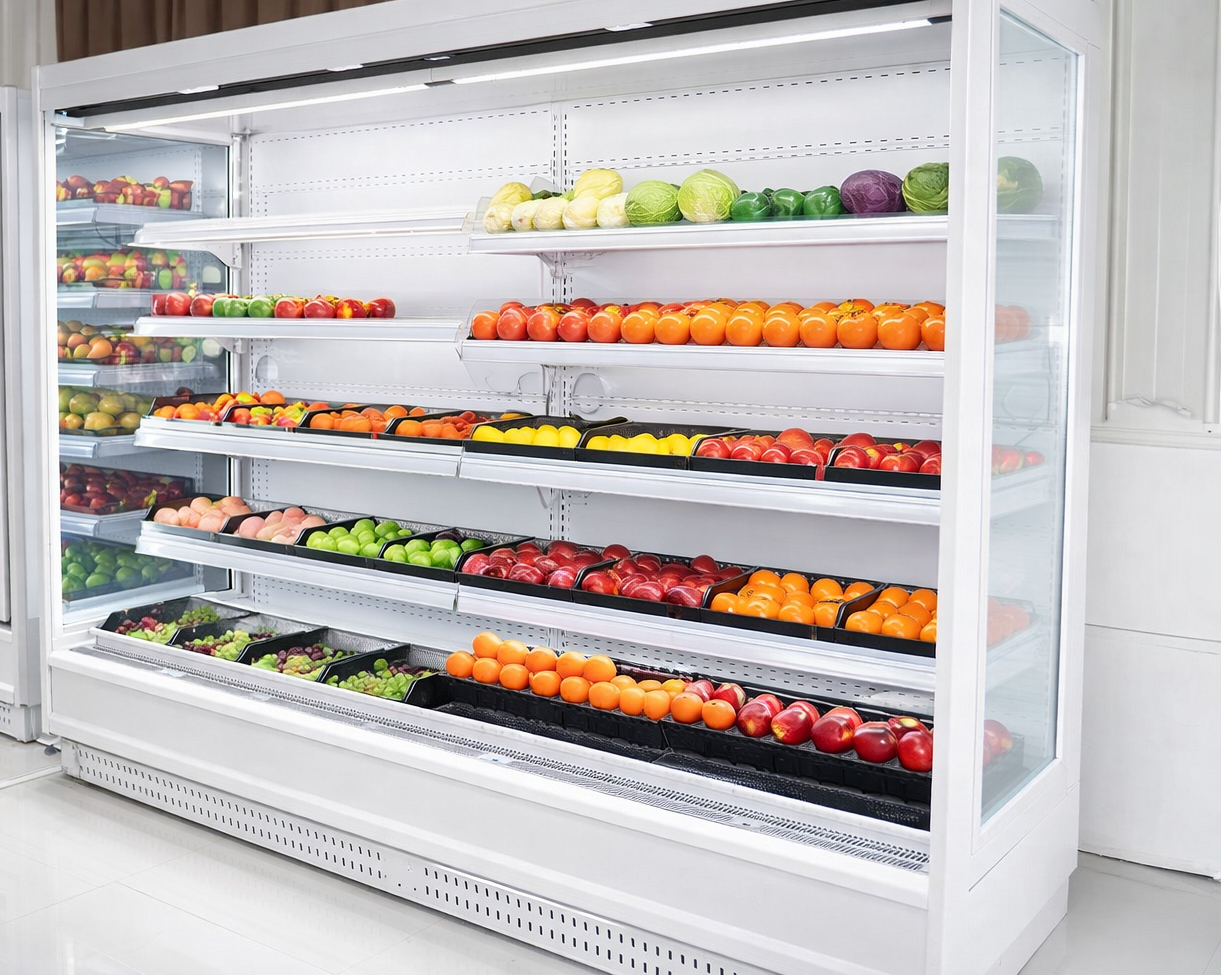
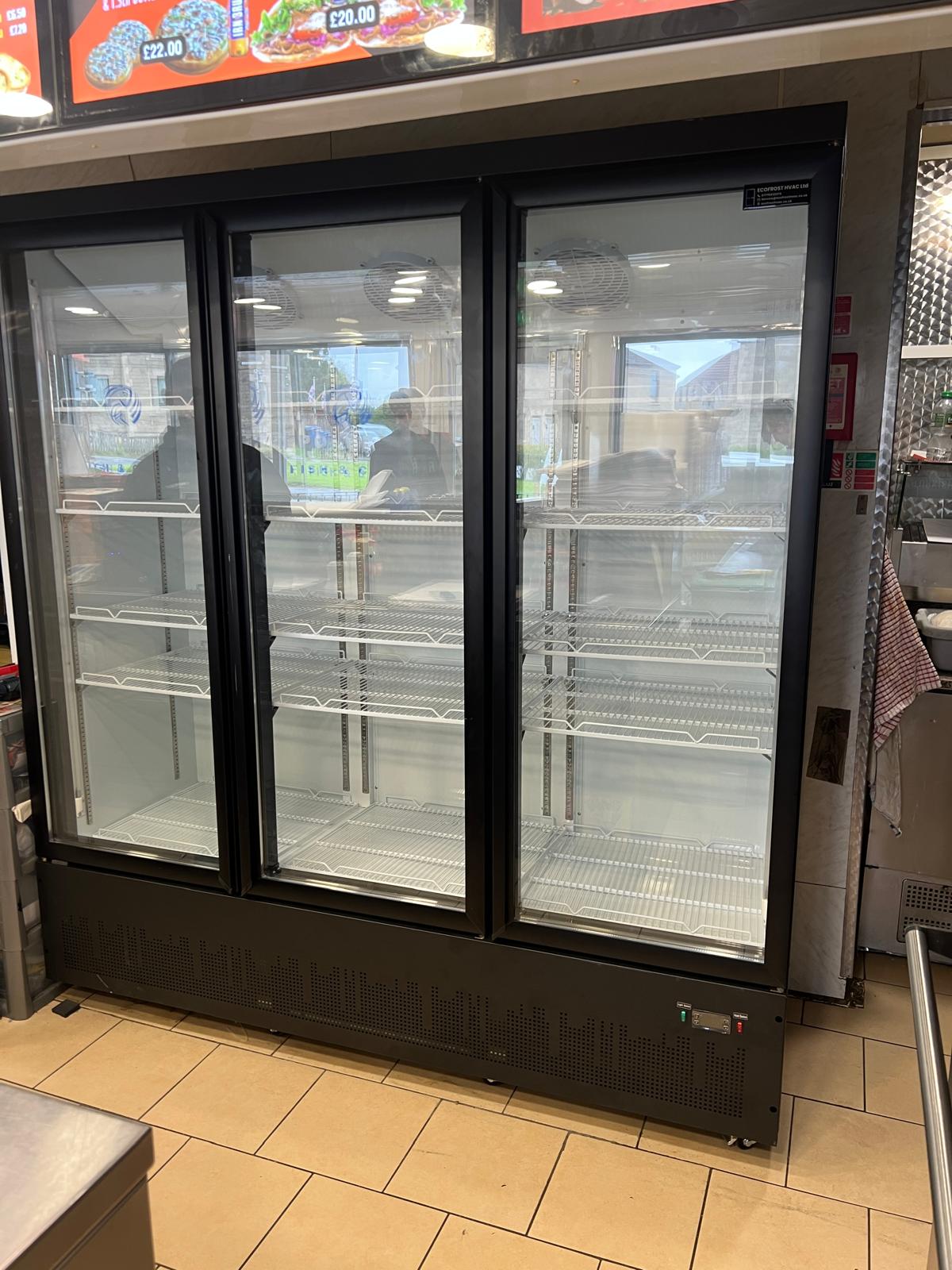
Self-contained units are, in essence, plug-and-play solutions. The compressor, condenser, and evaporator are all built into the cabinet. You connect to a power supply, allow the unit to stabilise, and it is operational. There is no need for remote pipework or a separate plant room, which reduces both installation time and labour costs considerably.
Hydrocarbon refrigerants, specifically R290 (propane) and R600a (isobutane), are increasingly common in self-contained commercial units. These refrigerants offer excellent thermodynamic properties and strong efficiency for small applications, making them a sound choice for smaller premises. However, they carry an A3 flammability classification, which means charge sizes are strictly limited by regulation. This limits their use in very large or complex installations, but for self-contained cabinets, they are an excellent fit.
Models featuring CAREL electronic thermostats and Cubigel or similar high-efficiency compressors deliver measurable savings. For example, 40% energy savings are achievable in well-specified freezer units through optimised compressor cycling and precise temperature control. These are not marginal gains; over a three to five year period, the savings can offset a significant portion of the initial purchase price.
Fast temperature recovery is another key feature to look for in self-contained units. Research into recovery performance after door openings confirms that units with well-designed evaporator coils and efficient fan arrangements return to set point temperature far more quickly, reducing the risk of temperature excursions that could compromise food safety.
“The best self-contained unit is not necessarily the cheapest or the most feature-rich. It is the one that matches your ambient conditions, door-cycle frequency, and compliance requirements precisely.”
Key advantages of self-contained units:
- Simple installation: No remote pipework or plant room required
- Lower upfront cost: Reduced installation labour and materials
- Flexibility: Easier to relocate if your layout changes
- Hydrocarbon compatibility: Efficient, low-GWP refrigerants within safe charge limits
- Suitable for: Cafés, small restaurants, convenience stores, hotel minibars
For a broader view of the options available to food service businesses, restaurant refrigeration types covers the full range from undercounter units to large upright cabinets.
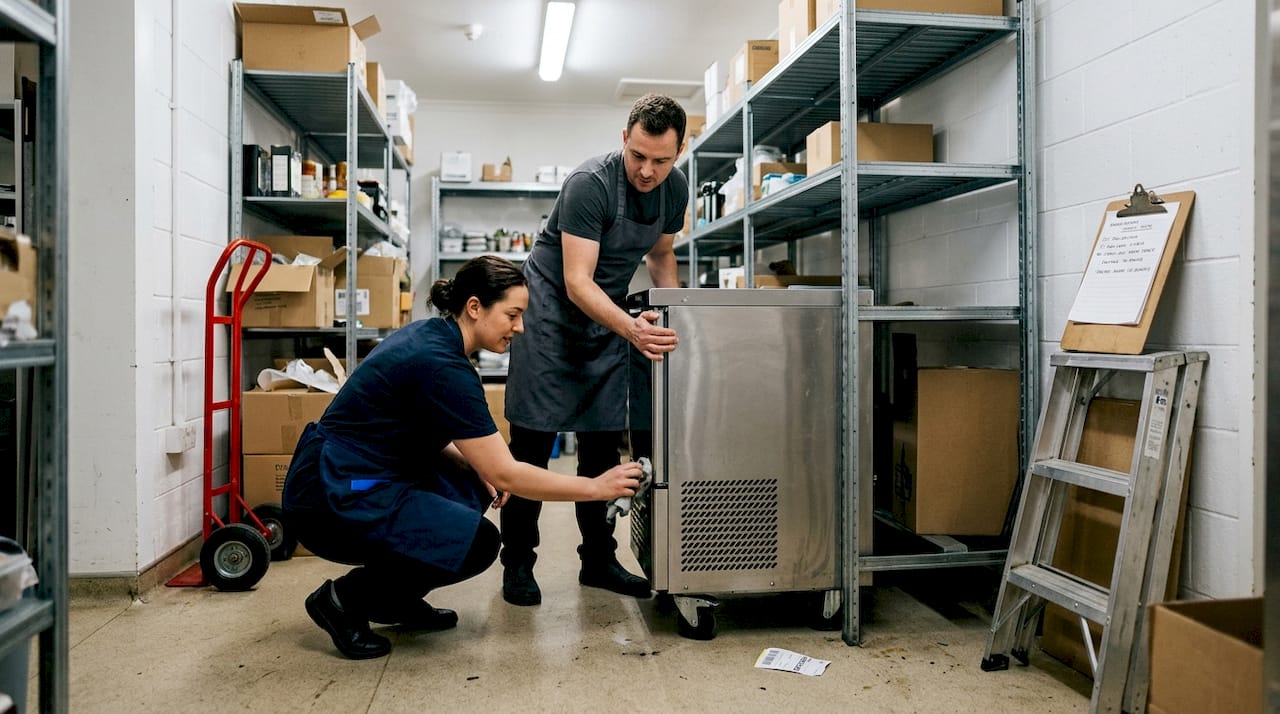
Pro Tip: Clean the condenser coils on self-contained units every three months in kitchen environments. Grease and dust accumulation is the single biggest cause of efficiency loss and premature compressor failure in commercial kitchens.
Remote refrigeration systems: Scalable solutions for hotels and retail
While self-contained units suit smaller businesses, larger operations should explore remote systems. Here’s how they compare.
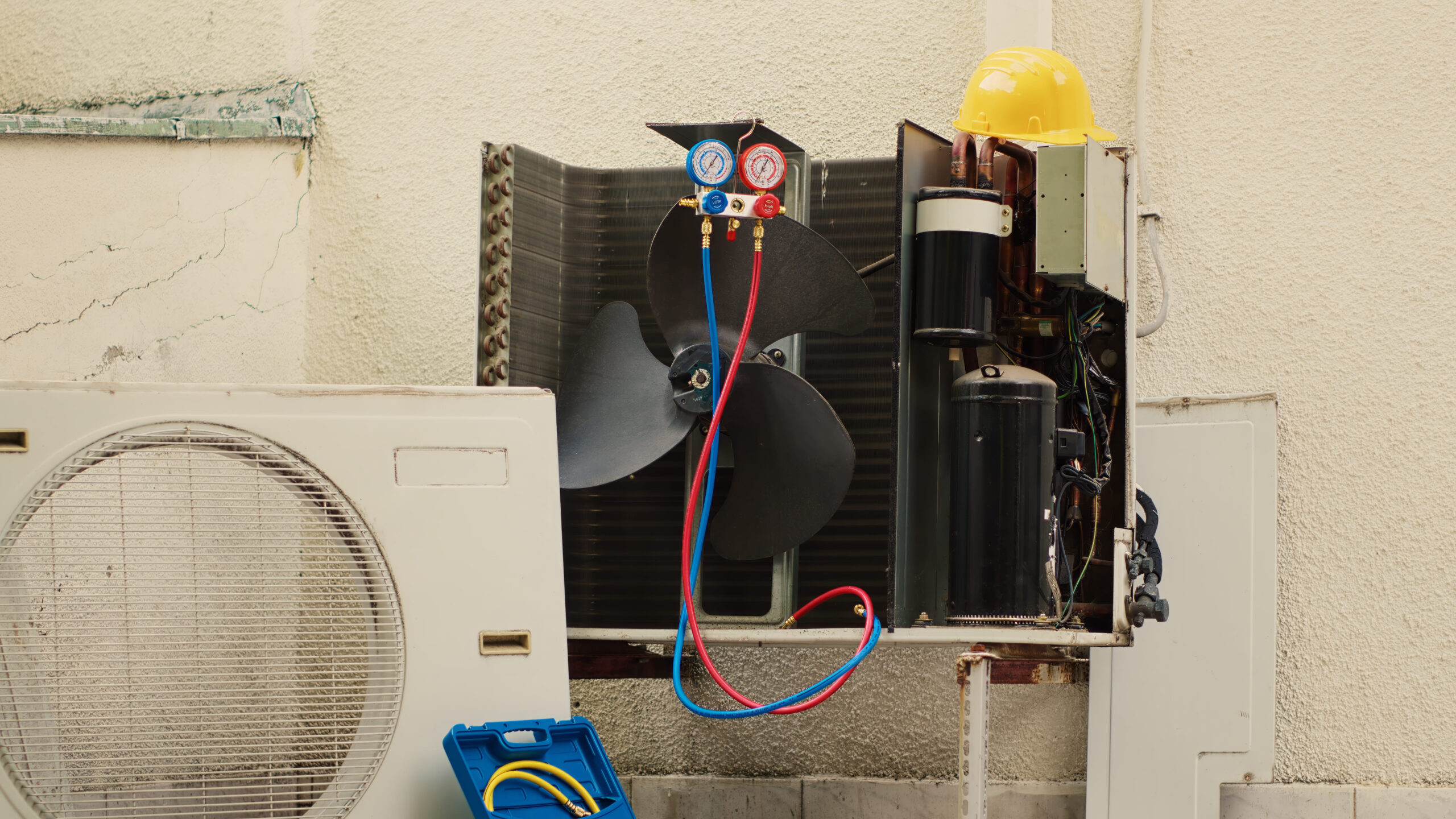
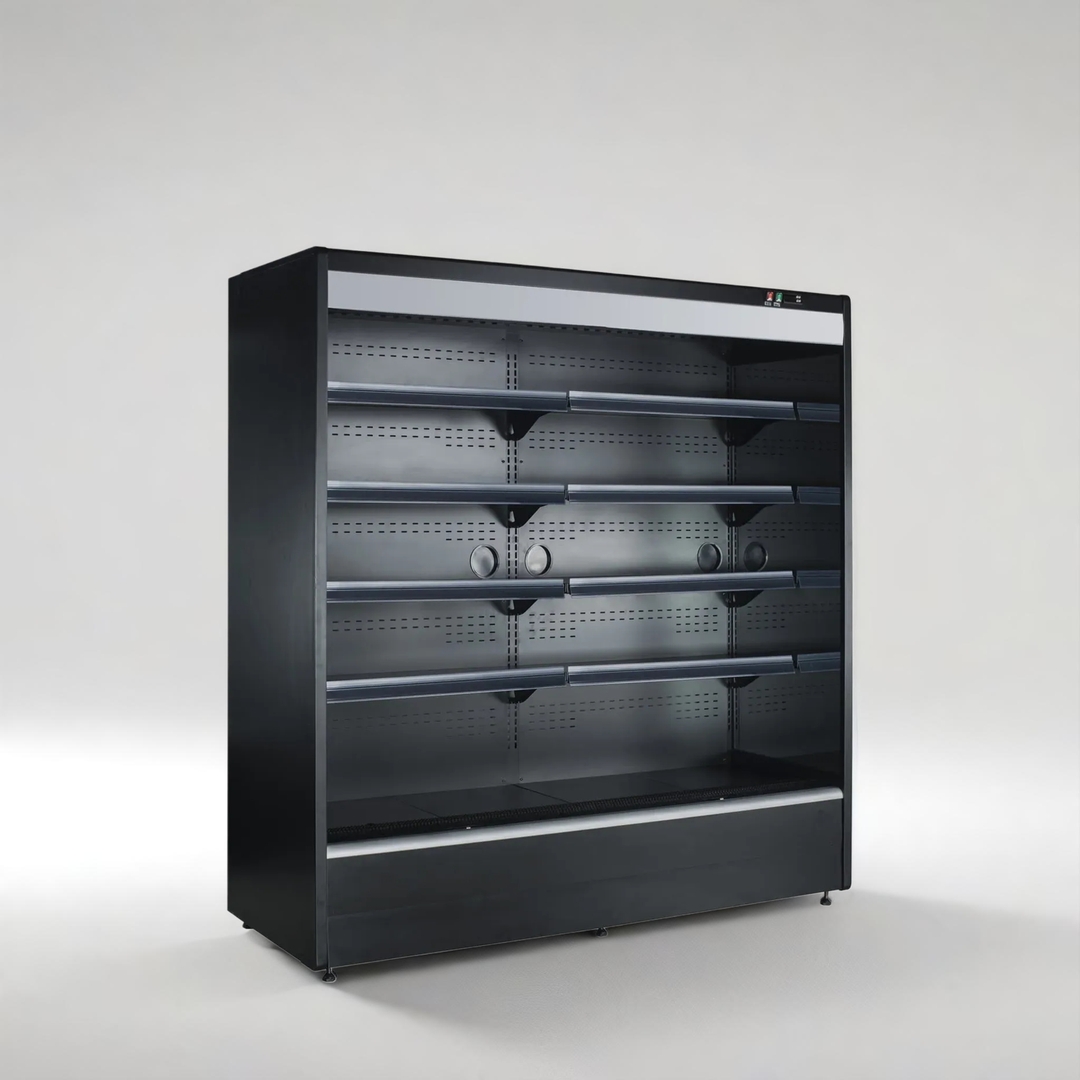
Remote refrigeration separates the condensing unit from the display cabinet or cold room, typically locating the condenser on a rooftop or in a dedicated plant room. This arrangement reduces heat and noise in the trading area, allows multiple cabinets to run from a single condensing unit, and makes it far easier to scale your cold storage as your business grows.
For hotels, supermarkets, and large retail environments, remote systems are often the only practical choice. CO2 and ammonia systems achieving high performance at scale make them increasingly attractive for large facilities, though both require specific safety infrastructure. Ammonia systems need robust leak detection and ventilation, while CO2 transcritical systems perform best in cooler climates and require specialist commissioning.
A system comparison study highlights that remote systems consistently outperform self-contained units on energy efficiency metrics when operating at scale, largely because centralised condensing allows better heat rejection management and load balancing across multiple cabinets.
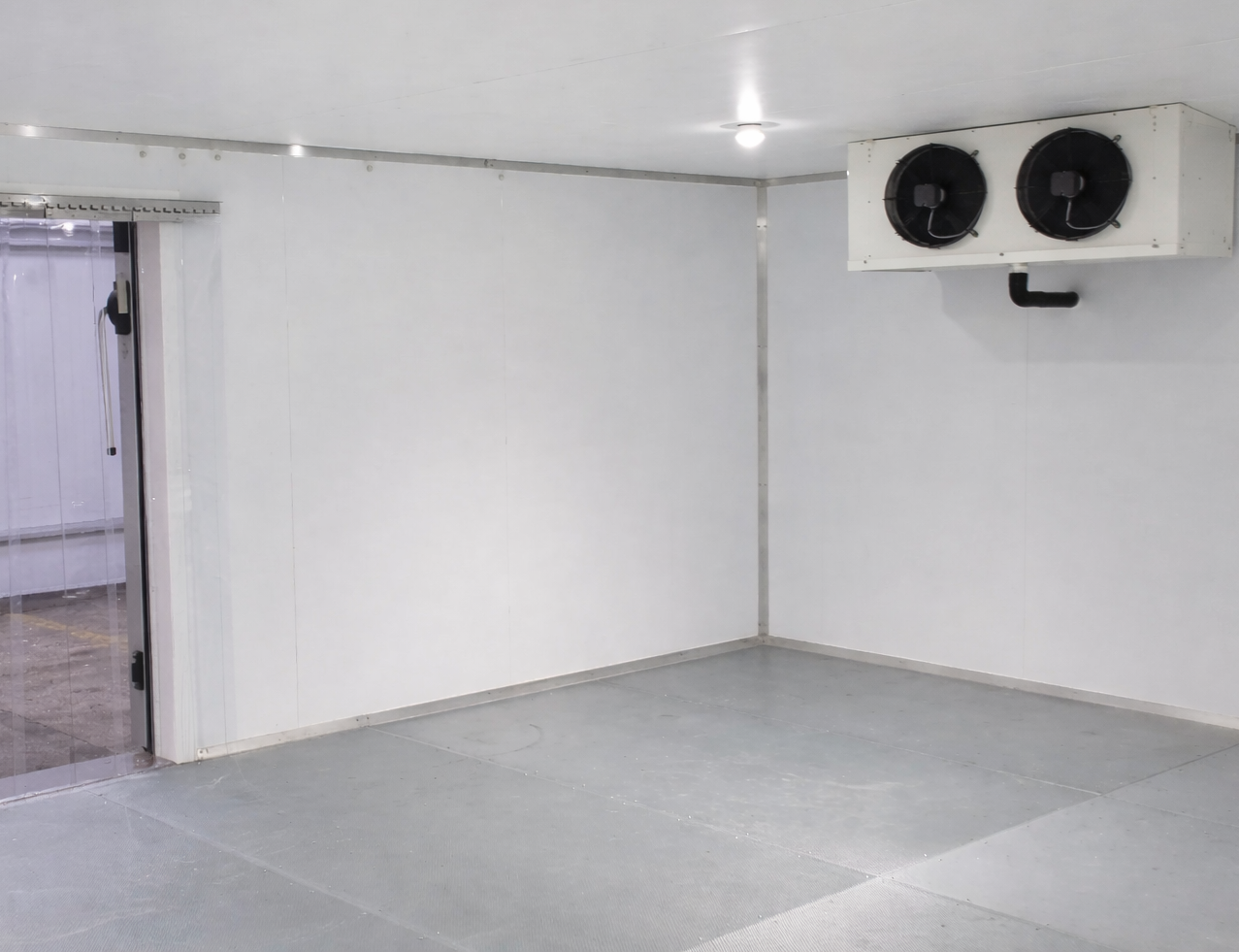
Walk-in cold rooms and freezer rooms benefit particularly from zone layout planning. Optimal zone layouts for walk-ins reduce the energy penalty of transitioning between chilled and frozen zones and minimise temperature bleed between areas. This is especially relevant in hotel kitchen environments where chilled prep areas sit adjacent to blast freezers.
Key advantages of remote systems:
- Scalability: Add cabinets or cold rooms without replacing the condensing unit
- Reduced in-store heat: Condensing unit located away from the trading floor
- Lower noise levels: Compressor noise removed from customer-facing areas
- Higher efficiency at scale: Centralised heat rejection and load balancing
- Refrigerant flexibility: CO2, ammonia, and low-GWP HFOs all viable
For detailed guidance on managing hotel refrigeration efficiency across multiple zones, or to explore your commercial installation options with our team, both resources offer practical next steps.
Pro Tip: Always specify leak detection systems for CO2 and ammonia installations. Beyond regulatory compliance, early leak detection prevents efficiency losses that can increase running costs by 15 to 20% before a fault becomes visible.
Comparison table: Self-contained vs remote refrigeration
Having looked individually at each system, let’s put them side by side for a clear decision.
Self-contained units are simpler to install, while remote systems deliver greater scalability and efficiency in larger premises. The table below summarises the key differences.
| Factor | Self-contained | Remote system |
|---|---|---|
| Installation complexity | Low, plug-and-play | High, requires pipework and plant room |
| Upfront cost | Lower | Higher |
| Scalability | Limited | High, multiple cabinets per unit |
| Energy efficiency | Good for small scale | Excellent at scale |
| In-store heat output | Higher | Lower |
| Noise level | Moderate | Low in trading area |
| Maintenance access | Simple | Requires specialist engineer |
| Best suited for | Cafés, small restaurants, shops | Hotels, supermarkets, large retail |
| Refrigerant options | R290, R600a, HFCs | CO2, ammonia, low-GWP HFOs |
When deciding between the two, consider these factors in order:
- Scale of operation: If you need more than four or five cabinets, remote systems become more cost-effective over time
- Ambient conditions: High ambient environments favour remote systems with superior heat rejection
- Compliance requirements: Check local refrigerant regulations before specifying any system
- Budget structure: Self-contained suits tighter upfront budgets; remote rewards longer-term investment
- Future growth: If you plan to expand cold storage, remote systems avoid costly replacement later
For businesses currently reviewing their cold chain setup, upgrading retail refrigeration and energy saving refrigeration trends for 2026 both offer useful context for planning your next investment.
A practical perspective: Decision-making tips for commercial refrigeration
Beyond specs and comparisons, let’s explore what actually matters in real business situations.
After working with businesses across the UK, Qatar, and India, we have seen a consistent pattern: buyers focus heavily on purchase price and energy ratings, then overlook the factors that determine whether a system actually performs in their specific environment. Ambient temperature is the most underestimated variable. High ambient temperatures above 35°C can reduce efficiency significantly and increase discharge temperatures, which accelerates compressor wear. A unit with a strong energy rating tested at 25°C ambient may perform very differently in a poorly ventilated kitchen in summer.
Door cycles are equally overlooked. A busy deli counter opened 80 times per hour behaves very differently from a back-of-house storage unit opened twice a day. Specify accordingly.
Understanding why refrigeration fails and how to address common refrigeration problems before they escalate is genuinely more valuable than chasing the latest technology. Invest in a structured maintenance routine. It will outperform a reactive replacement strategy every time.
Expert support for refrigeration upgrades and maintenance
If you want to ensure your refrigeration systems are fit for purpose and optimised for efficiency, here is where to get help.
At EcoFrost, we support businesses at every stage, from initial selection through to installation and long-term maintenance. Whether you need commercial repair services to address an existing fault, guidance on commercial refrigeration selection for a new premises, or advice on restaurant food safety maintenance to stay compliant, our team brings over a decade of hands-on experience across diverse commercial environments.
Get in touch with EcoFrost today for a tailored assessment of your refrigeration needs. We will help you identify the right system, plan the installation, and put a maintenance programme in place that protects your investment for years to come.
Frequently asked questions
What is the most energy-efficient commercial refrigeration system?
ENERGY STAR compliant remote systems using CO2 or ammonia refrigerants typically achieve the highest energy efficiency, particularly in larger premises where centralised condensing delivers the greatest benefit.
How does ambient temperature affect refrigeration performance?
High ambient temperatures above 35°C can reduce the coefficient of performance by approximately 11% per 10°C rise and increase compressor discharge temperatures, making correct system sizing and fast recovery features essential.
What are the main differences between self-contained and remote refrigeration units?
Self-contained units are simpler to install and maintain, while remote systems offer greater scalability and superior energy efficiency for larger commercial operations with multiple cold storage zones.
What maintenance routines help maximise refrigeration system lifespan?
Regular condenser cleaning, monitoring door cycles, and prompt attention to faults maintain optimal efficiency and significantly extend the operational life of both self-contained and remote refrigeration systems.