
TL;DR:
- Proper commercial refrigeration ensures food safety by maintaining precise temperatures below the danger zone.
- Energy-efficient systems with modern features can significantly reduce operational costs and environmental impact.
- Regular maintenance and proactive monitoring are essential for system reliability, minimizing downtime, and safeguarding brand reputation.
Guaranteeing freshness, safety, and consistency while keeping operational costs under control is one of the most pressing challenges facing hospitality and retail businesses today. Yet the pivotal factor most owners overlook is the refrigeration system itself. Choose poorly and you face spoilage, compliance failures, and a damaged reputation. Choose wisely and refrigeration becomes the backbone of daily operations, quietly supporting every service, every sale, and every customer interaction. This guide breaks down the key advantages of commercial refrigeration in practical terms, so you can make a confident, informed decision that genuinely serves your business.
Table of Contents
- Enhancing food safety and product quality
- Reducing operational costs and energy consumption
- Improving customer experience and business reputation
- Minimising disruption and maximising uptime
- Our perspective: why your approach to refrigeration is a strategic business decision
- Unlock the benefits with expert commercial refrigeration support
- Frequently asked questions
Key Takeaways
| Point | Details |
|---|---|
| Boost food safety | Precise temperature control in commercial refrigeration protects food quality and ensures compliance with safety standards. |
| Lower running costs | Energy-efficient refrigeration systems reduce electricity bills and regulatory risks for hospitality and retail businesses. |
| Enhance customer satisfaction | Consistently fresh, well-presented products improve customer trust and business reputation. |
| Reduce business disruption | Robust and well-maintained refrigeration limits downtime and keeps operations running smoothly. |
Enhancing food safety and product quality
Food safety is not optional. It is a legal obligation and a direct reflection of your brand. Proper commercial refrigeration is essential for reducing foodborne illness risk, and that starts with consistent, accurate temperature control across every storage zone.
Bacterial growth accelerates rapidly between 8°C and 63°C, the so-called danger zone. Commercial refrigeration systems are engineered to hold precise temperatures well below this threshold, even during busy service periods when doors are opened frequently. Domestic or underpowered units simply cannot maintain that consistency under real-world commercial pressure.
For businesses subject to routine inspections, the stakes are even higher. Environmental health officers assess your temperature records, storage practices, and equipment condition. Failing to meet food safety standards can result in improvement notices, fines, or closure. Proper refrigeration, combined with documented monitoring, gives you a defensible audit trail.
The practical risks of poor refrigeration are significant:
- Accelerated spoilage, leading to increased food waste and direct financial loss
- Product inconsistency, where temperature fluctuations affect taste, texture, and appearance
- Customer complaints tied to underperforming or unsafe food
- Legal liability if a customer becomes ill due to inadequate storage
- Failed inspections that damage your operating licence and public reputation
When you explore the different types of refrigeration available, from reach-in cabinets to blast chillers, you will find each is designed for a specific role. Matching the right unit to the right task is what ensuring food safety actually looks like in practice.
“Temperature control is not just about keeping food cold. It is about protecting your customers, your licence, and your livelihood.”
Pro Tip: Set up a simple daily temperature monitoring log for every refrigeration unit. Even a basic paper record demonstrates due diligence during inspections and helps you catch performance issues before they become costly problems.
Reducing operational costs and energy consumption
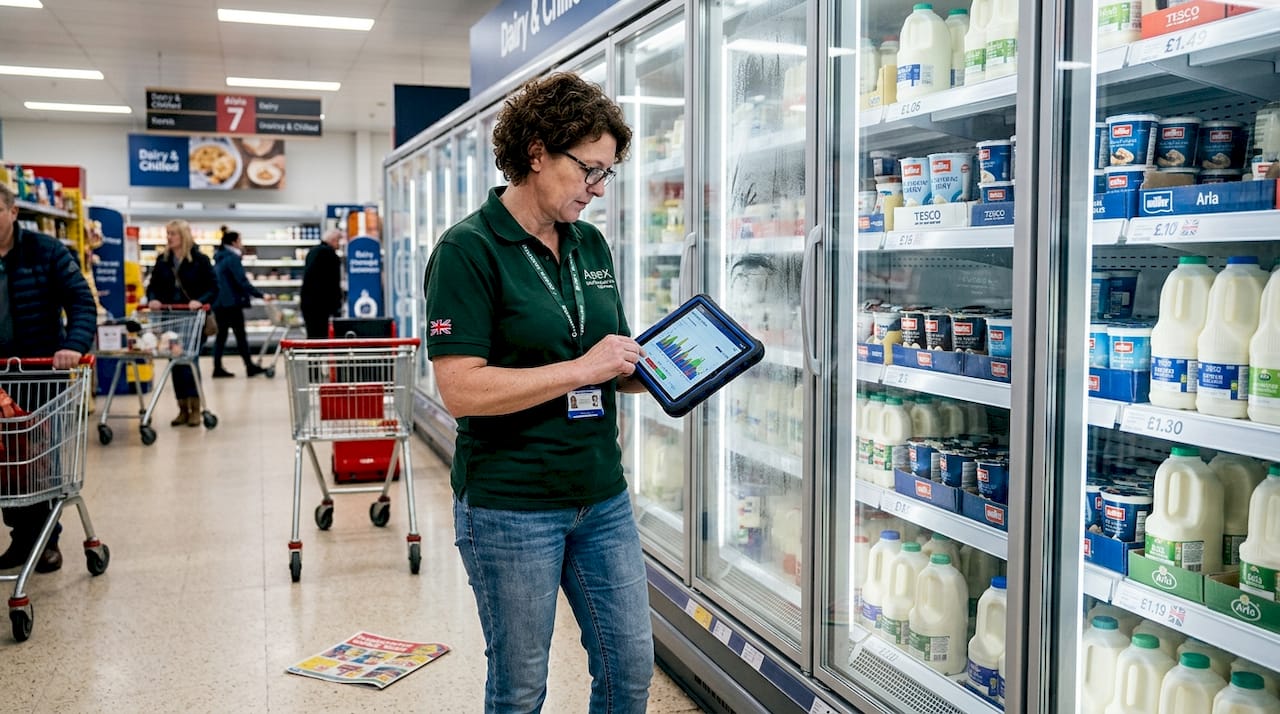
After food safety, the next biggest win for your business is the potential for considerable savings through smarter refrigeration choices. Refrigeration typically accounts for 30 to 50 per cent of a food business’s total electricity consumption. That figure alone justifies a serious look at what your current units are costing you.
Energy-efficient refrigeration can contribute notable savings on electricity bills, particularly when older units are replaced with modern inverter-driven compressors and improved insulation. The difference is measurable.
| Feature | Traditional unit | Modern energy-efficient unit |
|---|---|---|
| Annual electricity cost (est.) | £1,800 to £2,400 | £900 to £1,300 |
| CO2 emissions (kg/year) | 1,200 to 1,600 | 600 to 900 |
| Refrigerant type | R404A (high GWP) | R290 or R448A (low GWP) |
| Remote monitoring | Not available | Standard on most models |
Modern systems also reduce the burden on your team. Automated defrost cycles, digital temperature alerts, and remote monitoring platforms mean fewer manual checks and faster responses to any deviation. This cuts staff time and reduces the risk of human error.
From a sustainability standpoint, sustainable refrigeration can cut refrigerant emissions significantly, which matters both for your carbon footprint and for regulatory compliance. The UK F-Gas regulations continue to tighten, and units using high global warming potential refrigerants face phase-down restrictions.
Key energy-saving features to prioritise when upgrading:
- Inverter compressors that adjust output to actual demand rather than running at full capacity continuously
- Thick polyurethane insulation panels that reduce heat ingress and lower compressor workload
- LED interior lighting with motion sensors to eliminate unnecessary heat generation
- Night blinds on open display cabinets to reduce overnight energy loss by up to 40 per cent
- Smart controllers with real-time energy usage dashboards
Pro Tip: When sourcing new equipment, check for compliance with the latest F-Gas regulations and look for energy efficient refrigeration ratings verified by independent bodies. This protects you from future compliance costs and maximises long-term savings.
Improving customer experience and business reputation
Cost control is essential, but there is another, often underestimated advantage: the direct impact that refrigeration quality has on your customers and your brand perception.
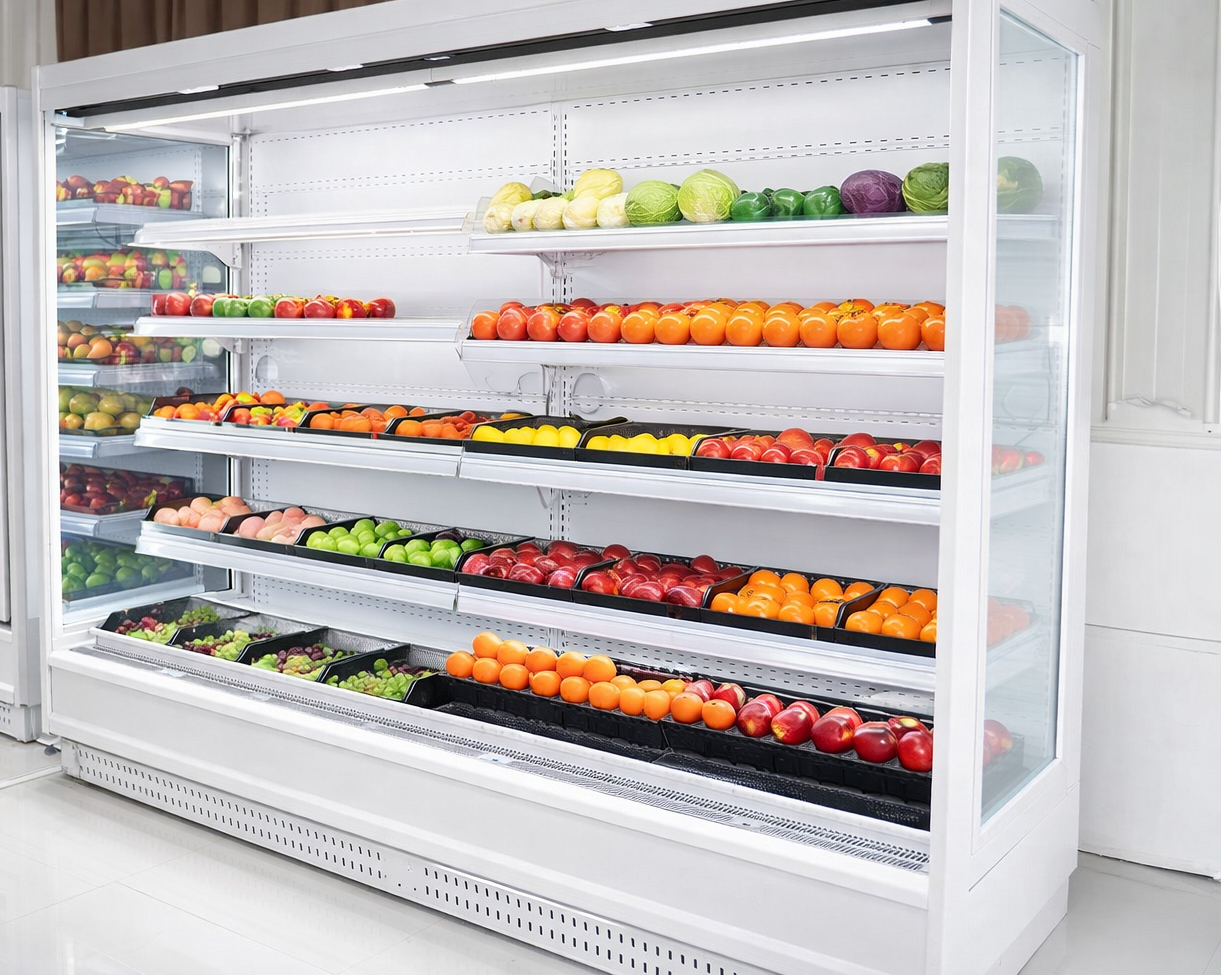
First impressions matter enormously in hospitality and retail. A well-lit, properly chilled display cabinet signals freshness and professionalism before a customer even picks up a product. Conversely, a unit running warm, showing condensation on the glass, or displaying wilting produce sends an immediate negative signal. Product quality and display are crucial for driving repeat business, and your refrigeration is central to both.
Temperature fluctuations do more than affect compliance. They alter taste. Wine served too warm, desserts that have partially thawed, or chilled ready meals that arrive at the wrong temperature all generate complaints. These are not isolated incidents. They are patterns that erode customer trust over time.
Up to 60% of negative online reviews for food businesses relate directly to food quality or storage problems.
For hotels, cafes, and food retailers, the service benefits of reliable refrigeration extend beyond the product itself:
- Faster kitchen workflow when staff can access ingredients quickly and confidently
- Reduced service delays caused by equipment failure during peak hours
- Consistent product presentation that reinforces brand standards across multiple locations
- Reduced staff anxiety about whether storage is performing correctly
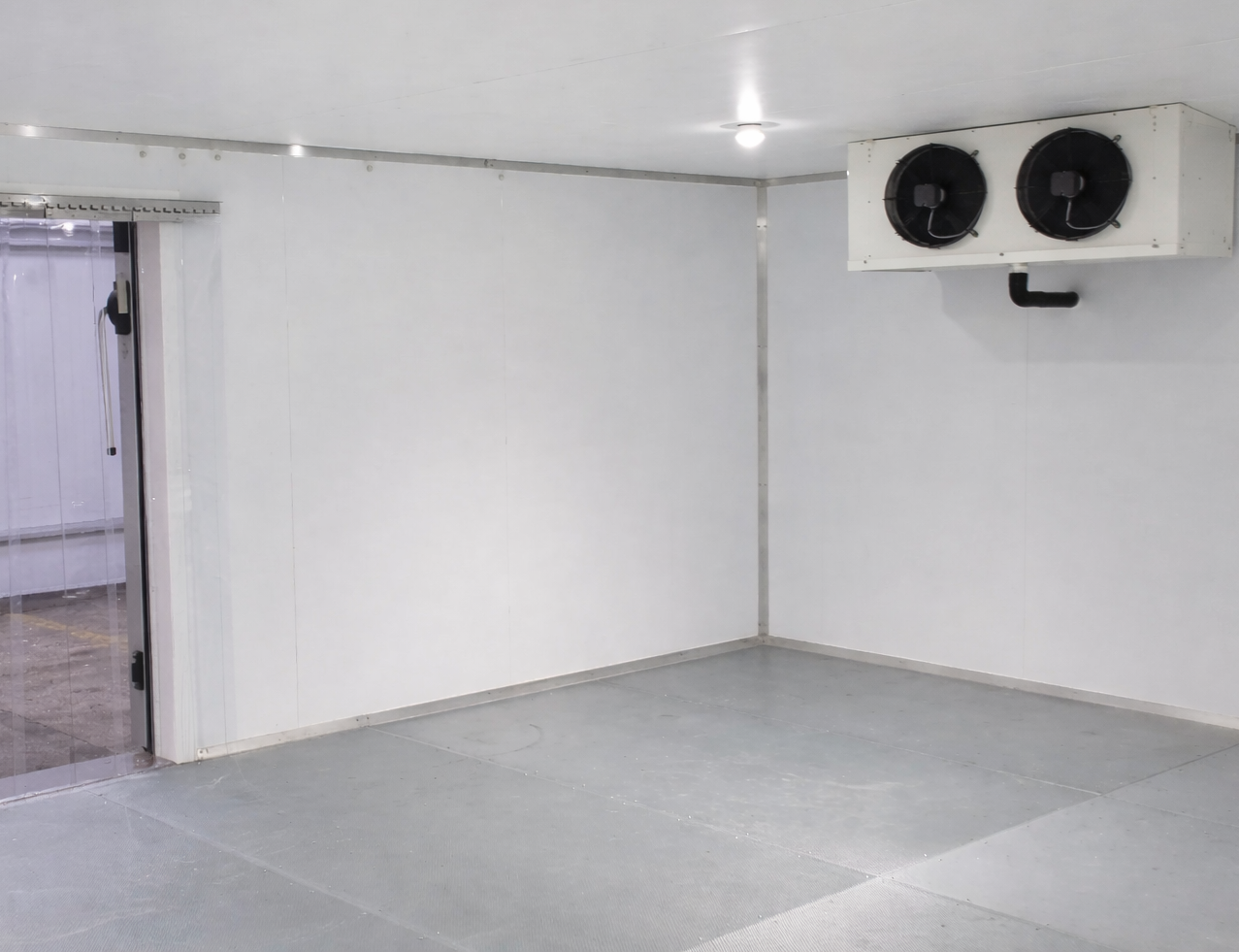
The walk-in cooler benefits for high-volume hospitality businesses are particularly significant. Walk-in coolers provide organised, accessible bulk storage that keeps service lines moving without interruption. When selecting the right equipment, consider how each unit contributes to the overall customer journey, not just the back-of-house operation. Your restaurant reputation is built one service at a time, and refrigeration underpins every single one.
Minimising disruption and maximising uptime
Even the best refrigeration system is only as good as its reliability and ongoing performance. Breakdowns during service are not just inconvenient. They are expensive, stressful, and potentially damaging to your food safety compliance record.
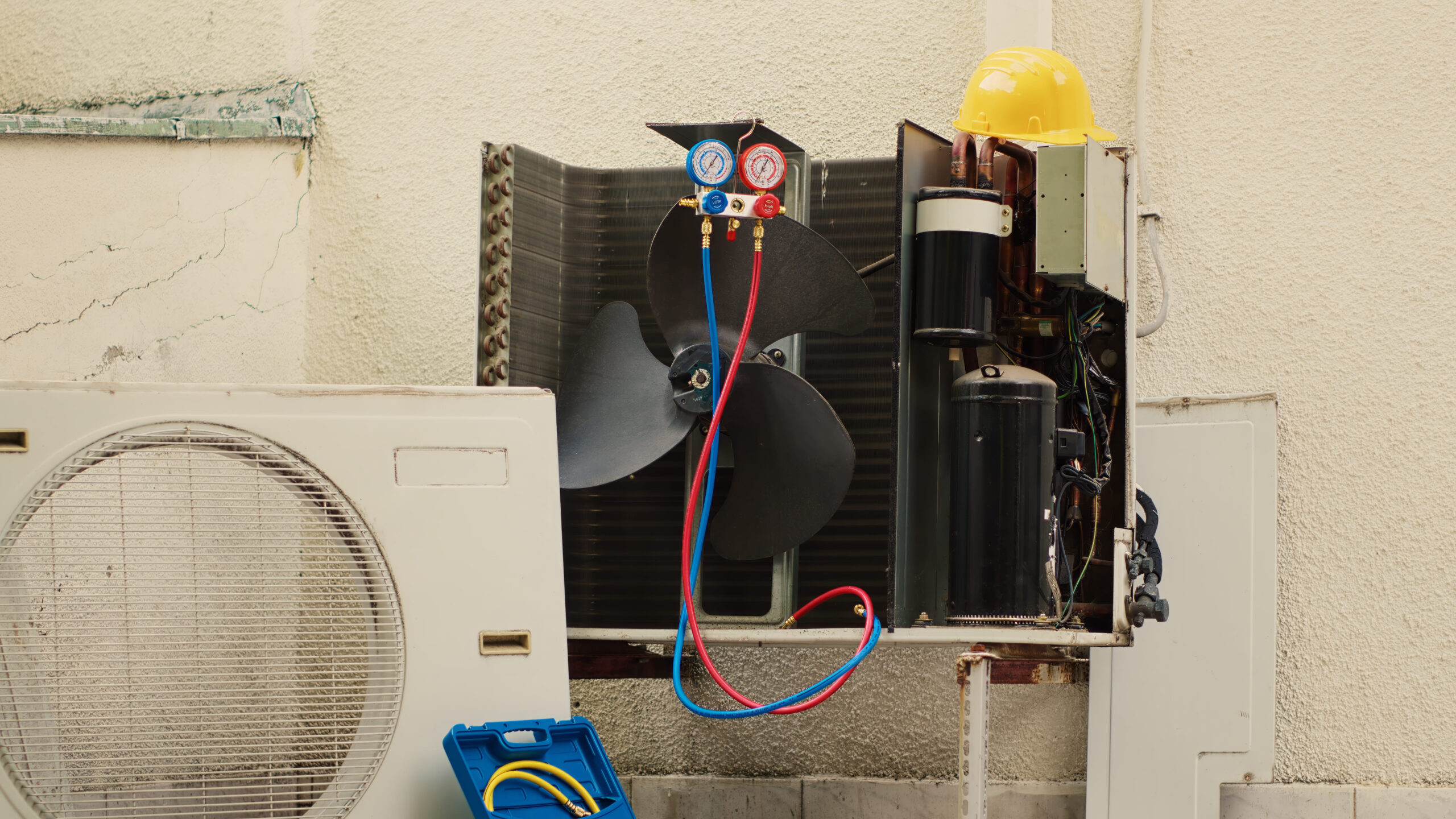
Common causes of commercial refrigeration failure include dirty condenser coils, refrigerant leaks, worn door seals, and blocked drain lines. Most of these are entirely preventable with routine maintenance. Regular maintenance can reduce costly breakdowns and emergency replacements, which is a straightforward return on a modest investment.
| Factor | Traditional approach | Modern proactive approach |
|---|---|---|
| Maintenance frequency | Reactive (after breakdown) | Scheduled (twice yearly minimum) |
| Average repair cost | £400 to £800 per incident | £150 to £300 per planned visit |
| Downtime per event | 4 to 12 hours | Near zero with monitoring |
| Remote fault detection | None | Real-time alerts via app |
“Every hour of refrigeration downtime during service can cost a busy restaurant or hotel between £200 and £800 in lost revenue, wasted stock, and emergency call-out fees.”
A structured maintenance programme makes a measurable difference. Here is what we recommend as a minimum:
- Monthly: Clean condenser coils, check door seals for wear, verify temperature accuracy against a calibrated thermometer
- Quarterly: Inspect refrigerant levels, clean evaporator fans, check electrical connections
- Bi-annually: Full professional service including leak testing, compressor health check, and compliance documentation
- Annually: Review energy consumption data and assess whether ageing units should be upgraded
Remote monitoring platforms now allow engineers to detect anomalies before they become failures. A temperature drift of just 2°C overnight, flagged automatically, can prevent a full breakdown the following morning. For guidance on downtime reduction tips, proactive diagnostics are consistently the most effective tool available.
Walk-in cooler reliability is another reason high-volume operators favour modular cold room setups. Walk-in coolers provide high-capacity, reliable storage for busy service environments, with components that are easier to service and replace than sealed cabinet units. For businesses operating under safe use in commercial settings requirements, documented maintenance records are not optional. They are part of your duty of care.
Our perspective: why your approach to refrigeration is a strategic business decision
At EcoFrost, we have worked with hospitality and retail businesses across the UK, Qatar, and India for over a decade. One pattern is consistent: the businesses that treat refrigeration as a strategic investment consistently outperform those that treat it as a commodity purchase.
The hidden cost of inadequate refrigeration choices over five years almost always outstrips the initial purchase price. Factor in wasted stock, emergency repairs, failed inspections, and lost customers, and the true cost of a poor decision becomes clear. Forward-thinking owners understand that refrigeration is a foundation of brand trust, not just a box in the corner of the kitchen.
Our hard-won lesson: investing in comprehensive refrigeration overview planning, maintenance contracts, and remote monitoring always repays itself. We encourage you to place refrigeration on your operational agenda as a recurring review item, not a one-off purchase decision. The businesses that do this consistently spend less, waste less, and serve their customers better.
Unlock the benefits with expert commercial refrigeration support
If your business is ready to capitalise on these advantages, professional expertise makes all the difference. EcoFrost provides end-to-end support for hospitality and retail operators, from initial consultation through to installation, ongoing maintenance, and emergency repair.
Whether you need fridge and freezer installation for a new site, a maintenance contract to protect your existing equipment, or urgent repair services to minimise downtime, our team is ready to help. We ensure your systems remain compliant, efficient, and reliable throughout the year. Explore the full range of EcoFrost solutions or contact us today to arrange a consultation tailored to your operation.
Frequently asked questions
What are the most important features to look for in commercial refrigeration?
Temperature stability, energy efficiency, adequate storage capacity, and easy-to-clean designs are essential. Choosing the right features improves both cost control and compliance from day one.
How can I reduce energy costs with my current refrigeration system?
Regular maintenance, correct temperature settings, and targeted upgrades are the most effective steps. Practical cost-efficient upgrades can deliver measurable reductions in your energy bills without requiring a full system replacement.
Is commercial refrigeration a legal requirement for food businesses in the UK?
Yes. UK law requires food businesses to maintain suitable refrigeration to meet food safety standards and protect public health. Failure to comply can result in enforcement action or closure.
How often should commercial refrigeration be serviced?
Most experts recommend professional maintenance at least twice a year. Regular servicing supports optimal performance, extends equipment lifespan, and keeps your compliance documentation up to date.