
TL;DR:
- Proper retail climate control enhances customer comfort, preserves stock, and reduces energy costs.
- Zoning and regular maintenance are critical for system efficiency and operational success.
- Investment in advanced HVAC and refrigeration systems supports long-term profitability and compliance.
Climate control in retail and hospitality is far more than keeping a room cool on a warm afternoon. It governs temperature, humidity, air quality, and airflow simultaneously, and each of these factors shapes how long customers stay, how much they spend, and how well your stock and staff perform. Businesses that treat climate control as a secondary concern often pay for it through higher energy bills, spoiled inventory, and declining footfall. Getting it right, by contrast, creates a consistent environment that builds customer loyalty and supports your bottom line every single day.
Table of Contents
- What is retail climate control and why does it matter?
- The technology behind retail climate control
- Operational benefits of efficient climate control
- Practical steps for optimising retail climate control
- What most guides miss about retail climate control
- Unlock professional climate control for your retail business
- Frequently asked questions
Key Takeaways
| Point | Details |
|---|---|
| Climate control goes beyond air conditioning | Retail climate control covers temperature, humidity and air quality for optimal comfort and operation. |
| Advanced systems mean real savings | Modern HVAC and refrigeration systems can dramatically lower operational costs and boost efficiency. |
| Zoning makes the difference | Dividing your retail space for targeted climate control enhances both customer experience and staff performance. |
| Maintenance is essential | Regular servicing keeps climate control systems running efficiently and avoids costly breakdowns. |
What is retail climate control and why does it matter?
Retail climate control is the integrated management of temperature, humidity, and air quality within a commercial space. It is not simply a matter of switching on an air conditioning unit. A properly designed system works continuously to maintain precise conditions throughout your store, restaurant, or hospitality venue, regardless of how many people are inside or what the weather is doing outside.
The impact on shopper behaviour is well documented. Customers who feel comfortable in a space spend more time browsing and are more likely to return. Conversely, a store that is too warm, too cold, or poorly ventilated encourages people to leave quickly. For hospitality businesses, the connection is even more direct: diners who are comfortable stay longer, order more, and leave better reviews.
Climate control also protects your inventory. In food retail and hospitality, maintaining the correct temperature and humidity is a legal requirement under food safety regulations. Even in non-food retail, humidity fluctuations can damage clothing, electronics, and other sensitive merchandise. Investing in energy efficient HVAC systems is therefore not just an operational choice; it is a safeguard for your assets.
Staff productivity is another factor that is frequently overlooked. Research consistently shows that people work more effectively in well-regulated environments. Reducing heat stress and maintaining good air quality keeps your team focused, reduces absenteeism, and supports a more positive workplace culture.
Key areas where retail climate control makes a measurable difference:
- Customer dwell time and purchasing decisions
- Preservation of perishable and temperature-sensitive stock
- Compliance with food safety and workplace health standards
- Energy consumption and operational running costs
- Staff wellbeing and productivity
Staying current with commercial refrigeration trends is equally important, as advances in refrigeration technology are increasingly integrated with broader climate control strategies to deliver whole-store efficiency.
“Effective retail climate control is the backbone of daily operations. When it works well, it is invisible. When it fails, every customer notices.”
The technology behind retail climate control
Understanding how the technology works helps you make better decisions when specifying, upgrading, or maintaining your systems. The retail HVAC core mechanics involve vapour-compression cycles with components including evaporators, compressors, condensers, and expansion valves, often delivered through rooftop units (RTUs), VRF/VRV systems, or split and multi-split systems, with zoning applied to manage different areas of the store.
Here is how each major system type compares:
| System type | Best suited for | Key advantage | Consideration |
|---|---|---|---|
| Rooftop units (RTUs) | Large retail stores, supermarkets | High capacity, centralised | Requires roof space and access |
| VRF/VRV systems | Multi-zone retail, hotels, restaurants | Precise zoning, energy efficient | Higher upfront installation cost |
| Split/multi-split systems | Smaller shops, cafés, boutiques | Flexible, cost-effective | Limited capacity for large spaces |
| Centralised chilled water | Large commercial buildings | Scalable, long-term efficiency | Complex installation |
Choosing the right system starts with an honest assessment of your space. Consider the following steps:
- Measure your floor area and ceiling height to calculate the cooling and heating load required.
- Identify distinct zones within your space, such as a chilled food section, a dining area, a stockroom, and a service counter, each of which may need different temperature settings.
- Assess your current energy usage to establish a baseline and identify where inefficiencies are occurring.
- Consult a qualified HVAC engineer who can specify the correct system type and size for your operation.
- Review refrigeration requirements separately and consider how they integrate with your HVAC system for maximum efficiency.
Zoning is particularly important in retail and hospitality. A supermarket, for example, needs its chilled aisles maintained at between 2°C and 5°C, while the bakery section may require warmth and controlled humidity to keep products fresh. A restaurant needs comfortable ambient temperatures in the dining room, while the kitchen demands powerful extraction and cooling. A single system without zoning capability cannot serve these varied needs effectively.
Pro Tip: If your current system does not support independent zone control, upgrading to a VRF/VRV system can dramatically reduce energy waste by only conditioning the areas that need it at any given time.
Understanding the distinction between HVAC and refrigeration is also important. While they work together in many retail environments, they serve different primary functions. Exploring the HVAC vs refrigeration distinction helps you make smarter decisions about which systems to prioritise and how to integrate them. For businesses with significant refrigeration needs, cost-efficient commercial refrigeration solutions can be specified alongside your HVAC to create a cohesive climate strategy.
Operational benefits of efficient climate control
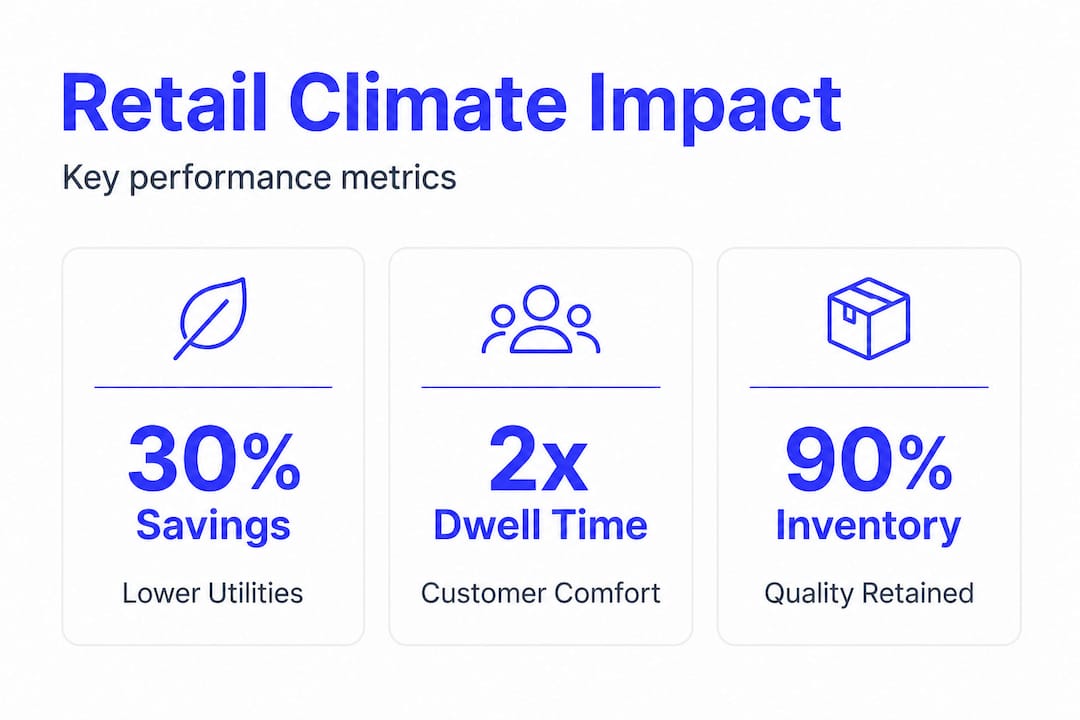
The business case for investing in modern climate control is compelling. The benefits extend well beyond comfort and touch every aspect of your operational performance.
| Benefit area | Impact on business | Relevant metric |
|---|---|---|
| Energy efficiency | Lower monthly utility bills | Up to 30% reduction with modern systems |
| Customer retention | Longer dwell time, repeat visits | Directly linked to ambient comfort |
| Stock preservation | Reduced waste and spoilage | Critical for food retail and hospitality |
| Regulatory compliance | Avoidance of fines and closures | HACCP and workplace health standards |
| Staff performance | Reduced absenteeism, higher output | Linked to air quality and temperature |
The retail HVAC core mechanics that underpin modern systems are designed with efficiency at their core. Variable-speed compressors and smart controls adjust output in real time based on occupancy, outdoor temperature, and internal load, meaning the system never works harder than it needs to.
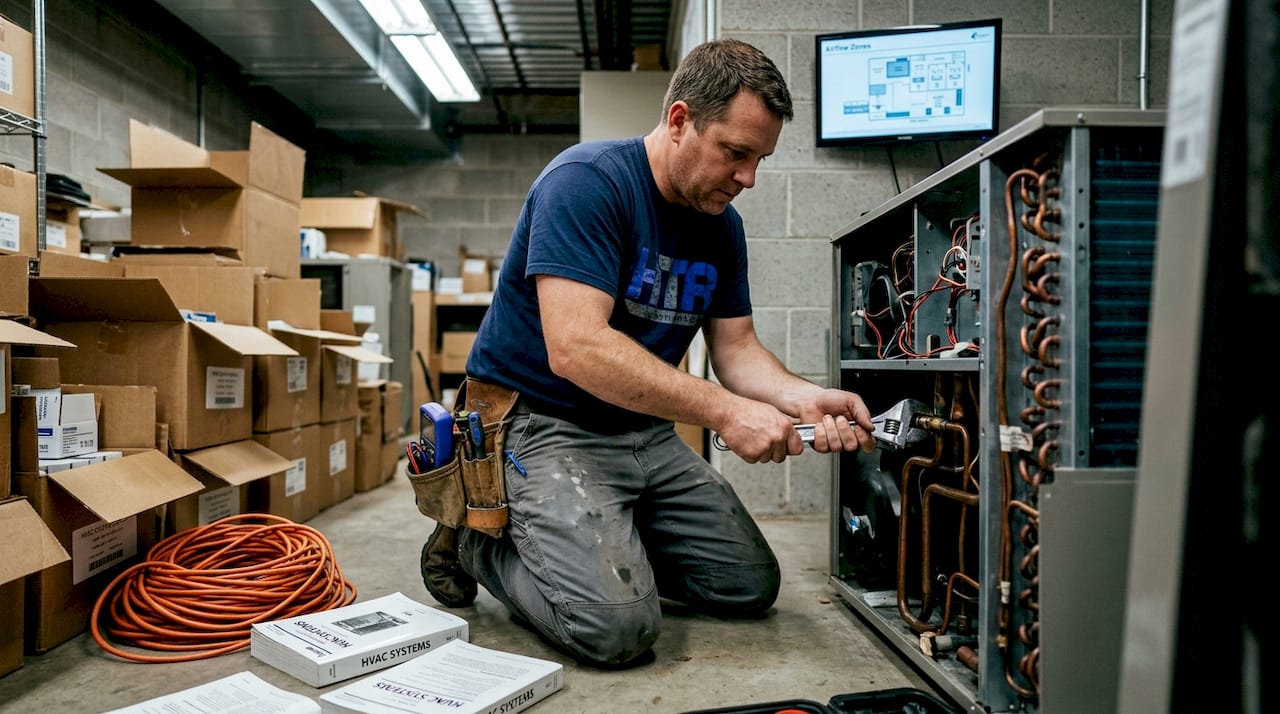
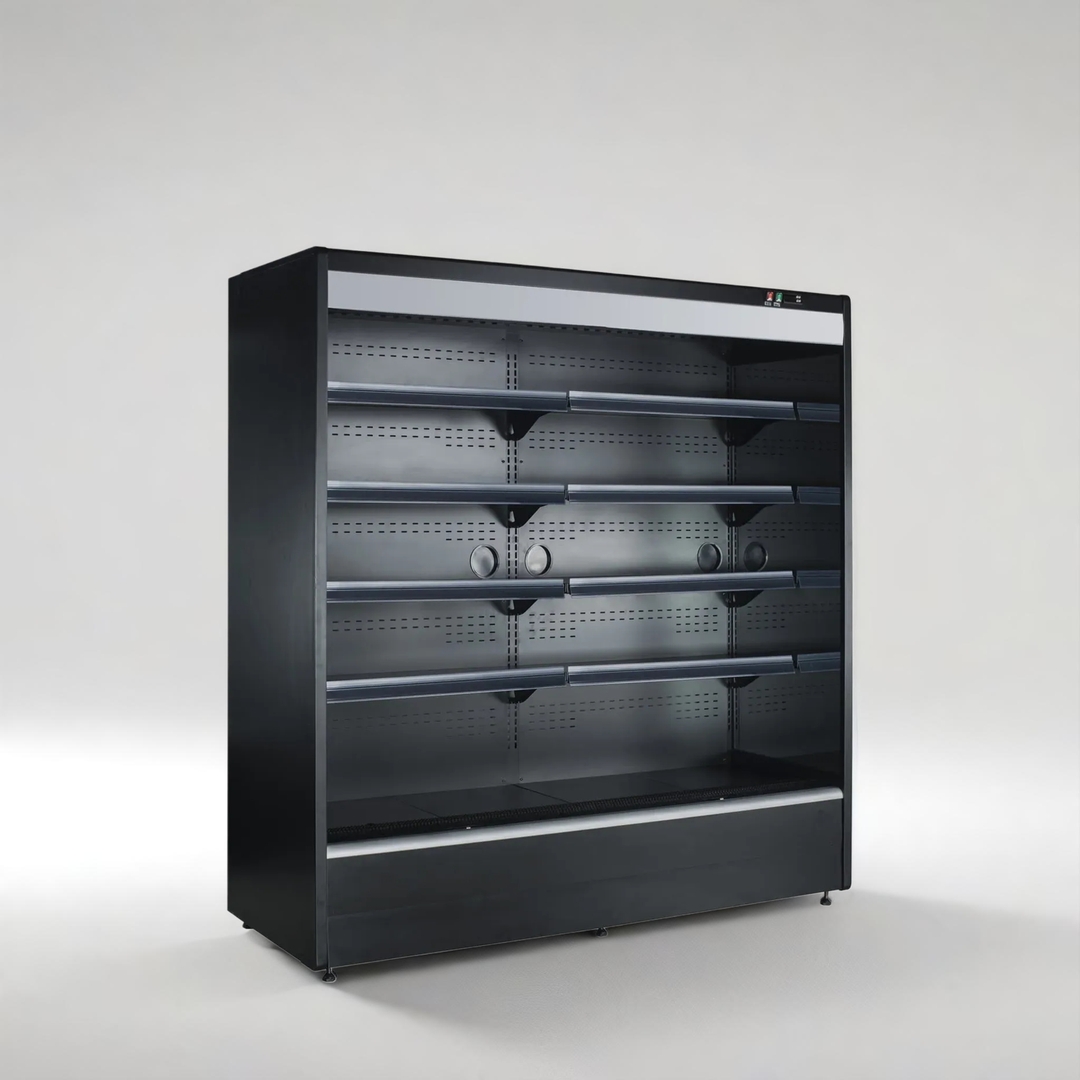
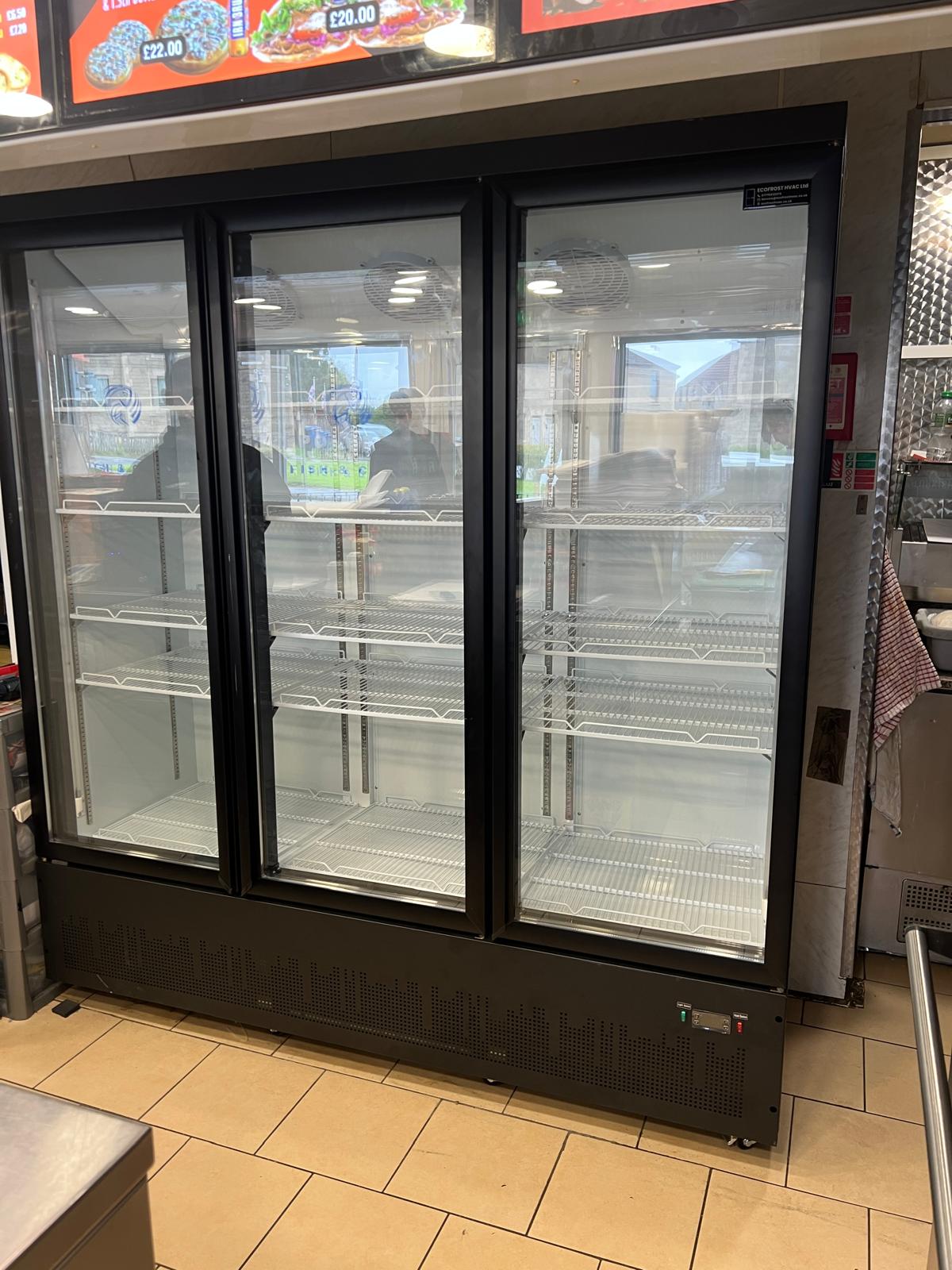
For food retailers and hospitality operators, the financial impact of poor temperature management is immediate. Spoiled stock is a direct loss. A single refrigeration failure during a busy trading period can result in thousands of pounds of wasted product, not to mention the reputational damage of having empty shelves or a closed kitchen. Upgrading retail refrigeration is one of the most reliable ways to protect profit margins.
Key operational benefits to keep in mind:
- Reduced energy costs through variable-speed technology and smart zoning
- Fewer equipment breakdowns with modern, well-maintained systems
- Consistent food safety compliance without manual intervention
- Improved customer experience that drives repeat business
- Lower staff turnover in environments where comfort is prioritised
Addressing refrigeration problems and solutions proactively, rather than reactively, is the difference between a minor service call and a costly emergency. Businesses that schedule regular maintenance and monitor system performance avoid the vast majority of failures before they affect trading.
Practical steps for optimising retail climate control
Knowing the benefits is one thing. Acting on them requires a structured approach. Here is a clear process for reviewing and improving your climate control setup.
-
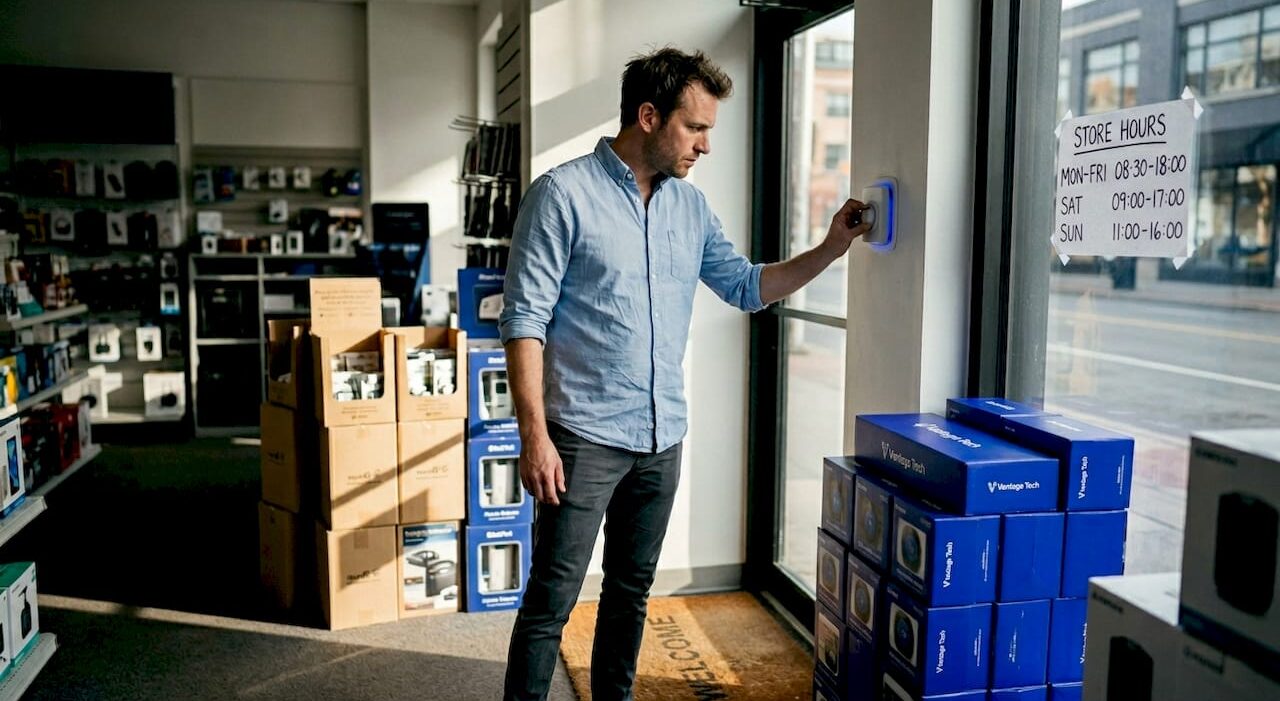
Audit your existing systems. Walk through your space with a thermometer and a humidity gauge. Note areas that feel too warm, too cold, or stuffy. These are your inefficiency hotspots and the starting point for any upgrade plan.
-
Review your energy bills. Look at consumption patterns across different months. Spikes in summer or winter often indicate that your system is working too hard because it is undersized, poorly maintained, or lacks zoning capability.
-
Assess refrigeration integration. If your refrigeration units are generating excess heat that your HVAC system then has to remove, you may be paying twice for the same problem. Speak to an engineer about how these systems can be better coordinated.
-
Consider a modern upgrade. When selecting commercial refrigeration or a new HVAC system, prioritise units with high energy efficiency ratings, smart controls, and compatibility with your existing infrastructure.
-
Plan your zoning carefully. Restaurant property zoning considerations extend beyond climate to include layout and regulatory requirements. Aligning your climate zones with your operational zones makes management far simpler and more effective.
-
Follow a structured installation process. A well-planned commercial refrigeration setup ensures that your systems are commissioned correctly from day one, reducing the risk of early failures and inefficiencies.
-
Schedule preventive maintenance. Book professional service visits at least twice per year. Between visits, keep condenser coils clean, check door seals on refrigeration units, and monitor thermostat accuracy.
Pro Tip: Many businesses find that simply recalibrating their thermostats and cleaning their condenser coils delivers an immediate improvement in efficiency without any capital expenditure. Start with the basics before committing to a full system replacement.
The retail HVAC core mechanics that power modern systems are sophisticated, but their day-to-day performance depends heavily on consistent, professional maintenance. Neglecting this is the single most common reason businesses fail to realise the full benefit of their climate control investment.
What most guides miss about retail climate control
Most articles on this subject focus heavily on system specifications and energy ratings. These matter, of course. But in our experience working with retail and hospitality businesses across the UK, Qatar, and India, the issues that cause the most disruption are rarely about the technology itself. They are about how the technology is applied and maintained.
Zoning is a perfect example. Business owners often assume that a single thermostat setting will serve their entire premises. In reality, a restaurant with a south-facing dining room and a north-facing kitchen will have dramatically different climate needs at different times of day. Without proper zoning, you end up overcooling one area to compensate for another, wasting energy and creating discomfort in the process.
Air quality is another area that receives far less attention than it deserves. Poor ventilation leads to elevated CO2 levels, which cause fatigue and reduce cognitive performance. In a busy restaurant or retail environment, this affects both your customers and your staff. A customer who feels inexplicably tired or headachy in your store is unlikely to linger or return, even if they cannot identify the reason.
The most overlooked factor, however, is maintenance. We see it repeatedly: a business invests in a high-quality system, runs it well for the first year, and then gradually lets the service schedule slip. Within two or three years, the system is operating at a fraction of its designed efficiency. Filters are blocked, coils are dirty, and refrigerant levels have drifted. The business is paying more in energy costs than it would have spent on regular servicing. Exploring commercial refrigeration solutions with a long-term maintenance plan built in is always the smarter investment.
The businesses that get the most from their climate control systems are those that treat them as a strategic asset, not a background utility. They review performance data regularly, act on early warning signs, and work with trusted engineers who understand their specific operational needs.
Unlock professional climate control for your retail business
Improving your retail or hospitality climate control does not have to be complicated, but it does require the right expertise. EcoFrost has been delivering professional HVAC and refrigeration solutions to businesses across the UK, Qatar, and India for over a decade. Whether you are planning a new installation or looking to optimise an existing system, our team provides tailored advice from the initial consultation through to ongoing maintenance.
Explore our commercial air conditioning installation services to see how we design and commission systems that match your specific operational requirements. Our engineers stay current with the latest HVAC refrigerants energy savings developments to ensure your systems are both compliant and cost-efficient. And with our EcoFrost services and maintenance programme, you can be confident that your investment continues to perform at its best long after installation.
Frequently asked questions
How does climate control differ from simple air conditioning in retail?
Retail climate control manages temperature, humidity, and air quality together, while standard air conditioning addresses temperature alone. As outlined in retail HVAC core mechanics, a full climate control system uses multiple integrated components to maintain precise conditions across different zones.
Which climate control systems are most suitable for large retail spaces?
RTUs, VRF/VRV systems and multi-zone configurations are the most effective options for large retail spaces, offering the capacity, flexibility, and zoning capability that large footprints demand.
Does effective climate control help reduce energy costs in retail and hospitality?
Yes. Modern systems with variable-speed compressors and smart zoning significantly reduce energy use, with many businesses reporting measurable reductions in monthly utility bills after upgrading from older, fixed-output equipment.
How often should retail climate control systems be maintained?
Professional servicing should be carried out at least twice per year, with additional checks recommended for refrigeration units in high-demand food retail or hospitality environments. Regular maintenance prevents the majority of costly breakdowns and keeps systems running at peak efficiency.
Recommended
- 5 key advantages of energy efficient cooling for business
- Smart refrigeration: lower costs and boost efficiency
- Refrigerants in HVAC: Energy savings and compliance 2026 – Ecofrost hvac Ltd
- Commercial Air Conditioning Installation Services – EcoFrost Hvac
- Why upgrade air conditioning for better home energy efficiency – Akita AC