
Many hospitality businesses assume a standard commercial fridge will handle all their storage needs. It is a costly assumption. When you are running a busy kitchen, a hotel kitchen, or a large catering operation, the gap between a reach-in fridge and a purpose-built walk-in cooler is not just a matter of size. It is a matter of food safety, regulatory compliance, and operational efficiency. This article covers what a walk-in cooler actually is, how it functions, what regulations apply, how it compares to other refrigeration options, and what pitfalls to avoid when choosing one for your business.
Table of Contents
- What is a walk-in cooler?
- Key components and how a walk-in cooler works
- Regulations and energy efficiency: What hospitality must know
- Walk-in coolers vs other commercial refrigeration solutions
- Common pitfalls and pro tips for choosing a walk-in cooler
- Next steps for efficient hospitality refrigeration
- Frequently asked questions
Key Takeaways
| Point | Details |
|---|---|
| Walk-in coolers defined | They are large, insulated storage rooms designed for safe, efficient climate control of perishables. |
| Critical for hospitality | They provide scalable storage, simplify compliance, and cut operating costs compared to standard fridges. |
| Efficiency requires compliance | Energy regulations and refrigerant choices affect cost, safety, and legal risks. |
| Select with care | Choosing the right size and features prevents common pitfalls for business owners. |
What is a walk-in cooler?
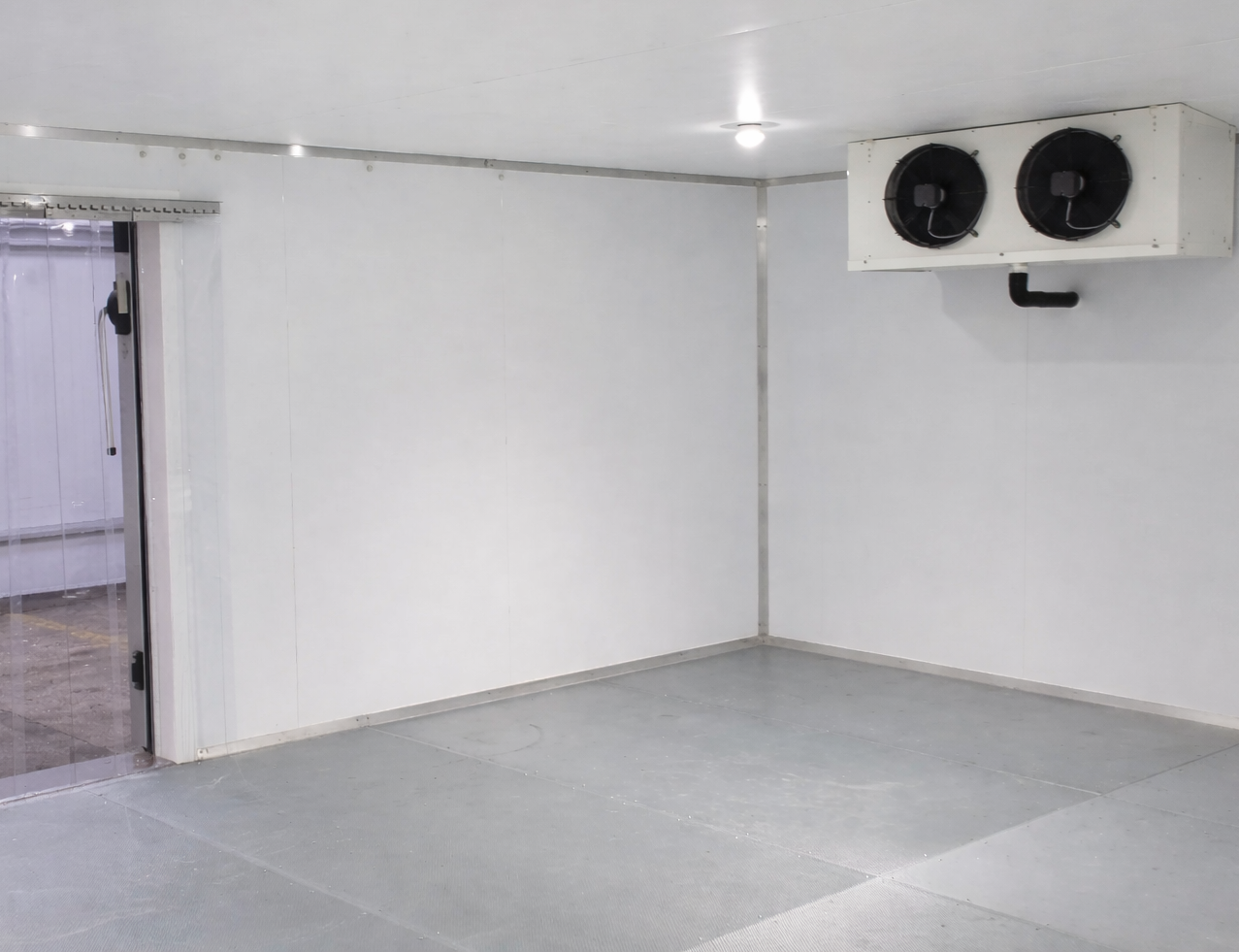
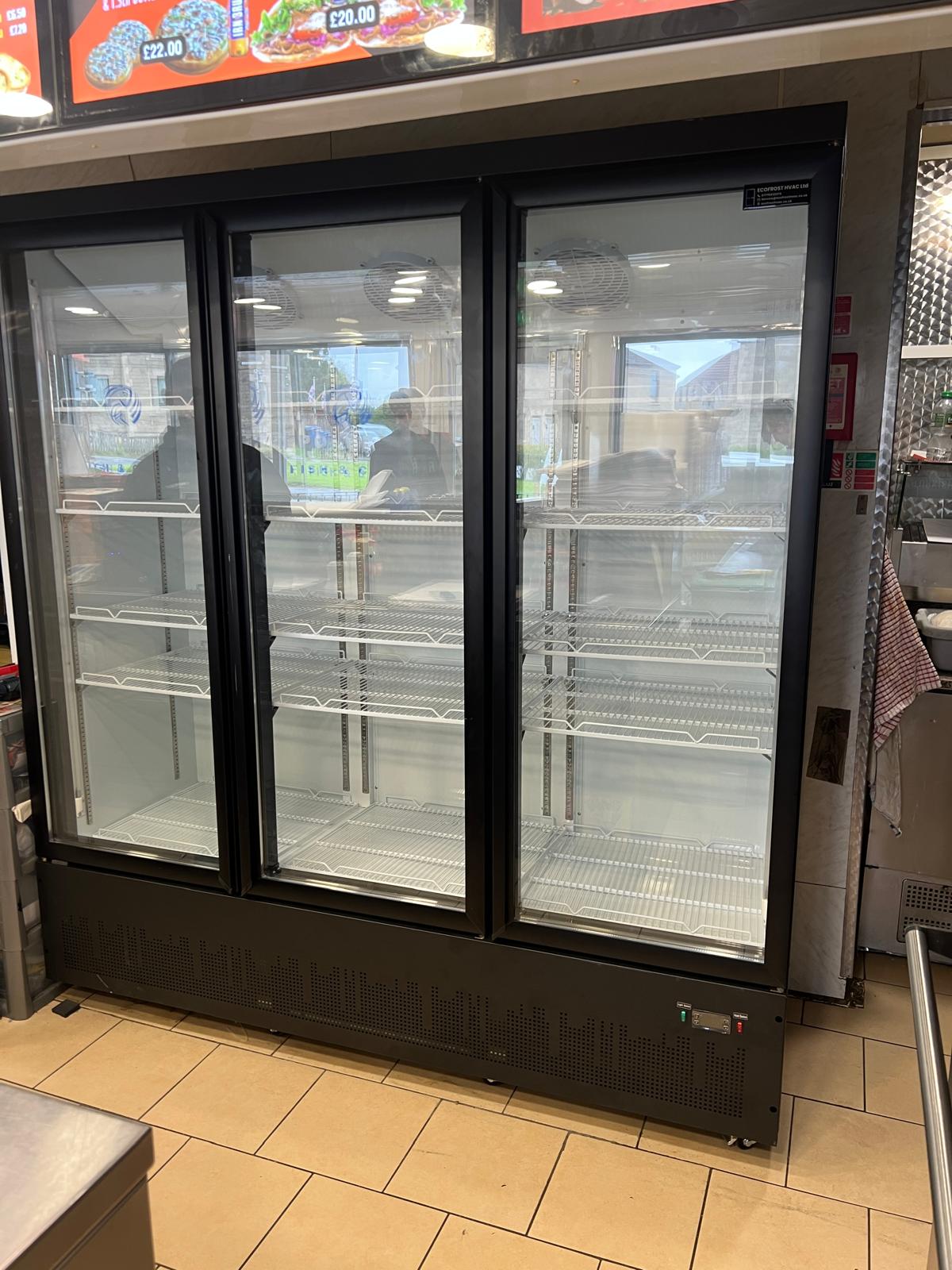
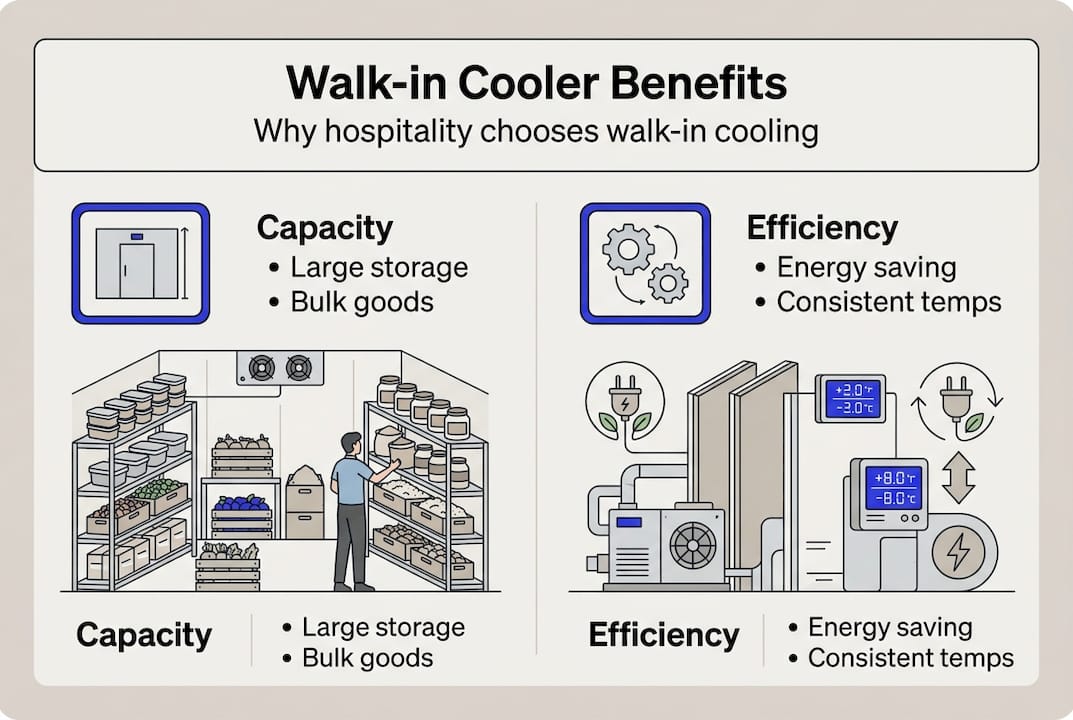
A walk-in cooler is a large, insulated refrigeration room designed to store significant volumes of perishable goods at controlled temperatures. Unlike a double door catering fridge, which offers fixed shelving within a sealed cabinet, a walk-in cooler gives your team the ability to physically enter the storage space, organise stock efficiently, and retrieve large quantities quickly. This makes it the standard choice for restaurants, hotels, hospitals, and catering companies where throughput is high.
The physical structure typically includes thick insulated wall panels, a sealed floor, a heavy-duty door with a safety release mechanism, and adjustable shelving systems. Sizes range from compact units suitable for smaller kitchens to large rooms spanning tens of square metres. The key distinction from standard refrigeration is scalability. As your business grows, your storage capacity can grow with it.
Core features that define a walk-in cooler include:
- Insulated modular panels for consistent temperature retention
- Heavy-duty flooring rated for trolley and pallet access
- Adjustable shelving to accommodate varied stock types
- Safety door releases to prevent accidental entrapment
- Integrated lighting for safe stock management
Walk-in coolers are not simply larger fridges. They are purpose-engineered storage environments built to meet the demands of high-volume hospitality operations.
It is also worth noting that selecting commercial refrigeration correctly from the outset saves significant cost and disruption later. Walk-in coolers have industry-mandated performance standards for energy efficiency, which means the units you invest in must meet defined benchmarks, not just cool effectively.
Key components and how a walk-in cooler works
Understanding the anatomy of a walk-in cooler helps you maintain it properly and spot problems early. Each component plays a specific role in keeping your stock safe and your energy bills manageable.
The main components are:
- Insulated panels: The walls, ceiling, and floor panels are filled with high-density foam insulation, typically polyurethane. These panels minimise heat transfer from the outside environment.
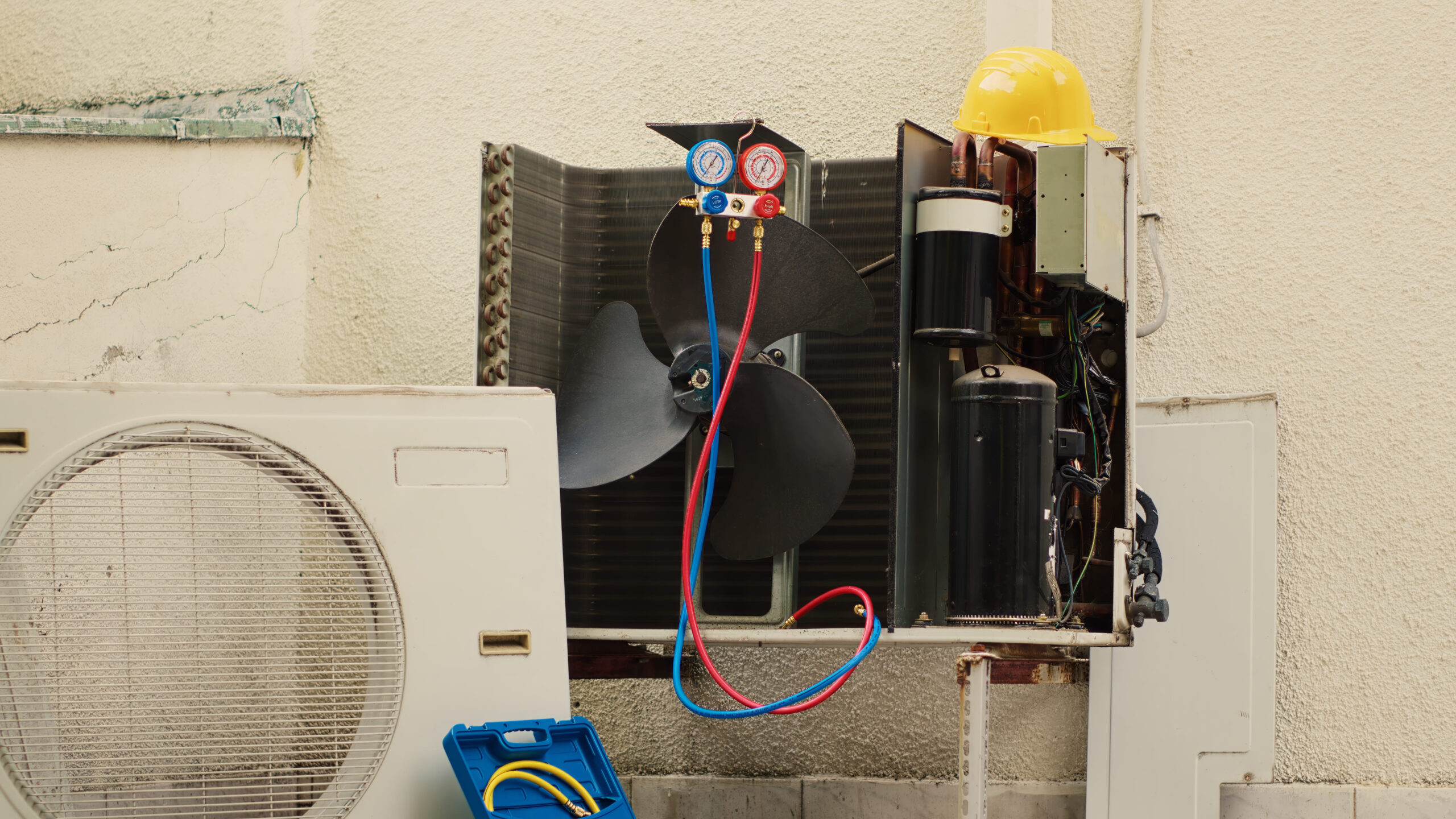
- Compressor: This is the engine of the system. It compresses refrigerant gas, raising its pressure and temperature before sending it to the condenser.
- Condenser: Located outside the cooled space, the condenser releases heat from the refrigerant into the surrounding air, cooling the refrigerant back to a liquid state.
- Evaporator: Mounted inside the cooler, the evaporator absorbs heat from the air within the room, cooling it down. A fan circulates this cooled air throughout the space.
- Thermostat and monitoring system: Digital thermostats regulate temperature precisely. Modern units include remote monitoring and alarm systems that alert you to temperature deviations before stock is compromised.
Refrigerant choice matters significantly here. CO2 and low-GWP refrigerants show the highest coefficient of performance (COP) and lowest total equivalent warming impact (TEWI), directly affecting both your running costs and your environmental footprint. If you are also considering display refrigeration alongside your walk-in unit, a display glass commercial freezer can complement your back-of-house storage effectively.
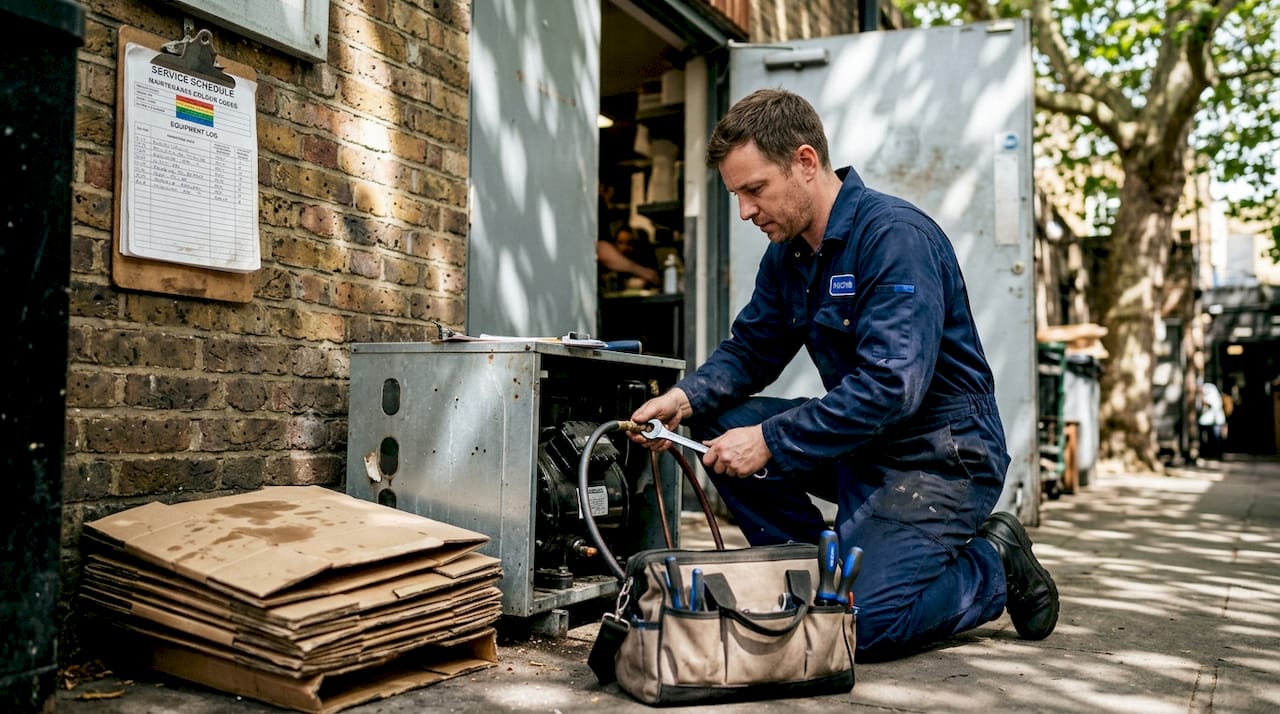
Pro Tip: Schedule a monthly visual inspection of door seals, evaporator coils, and condenser fins. Blocked coils and damaged seals are the two most common causes of efficiency loss and unexpected repair bills.
Regulations and energy efficiency: What hospitality must know
Compliance is not optional in the hospitality sector. Regulatory frameworks around walk-in cooler efficiency are tightening, and business owners who ignore them face both financial penalties and reputational risk.
The AWEF testing standard (Annual Walk-in Energy Factor, tested per AHRI 1250) is the primary benchmark for measuring walk-in cooler efficiency. Low-GWP refrigerants such as R290 and R717 achieve the best efficiency ratings and the lowest environmental impact scores. Choosing a unit that uses these refrigerants positions your business ahead of incoming regulatory requirements.
For hospitality operators, the practical implications are clear. Investing in boosting refrigeration efficiency reduces energy costs directly. Staying compliant with refrigeration for food safety standards protects your food hygiene rating and your licence to operate.
| Refrigerant | GWP rating | COP performance | Compliance status |
|---|---|---|---|
| R404A | Very high | Moderate | Being phased out |
| R134a | High | Moderate | Restricted in new units |
| R290 (propane) | Very low | High | Fully compliant |
| R717 (ammonia) | Zero | Very high | Fully compliant |
| CO2 (R744) | Very low | High | Fully compliant |
Key stat: Units using R290 or CO2 refrigerants can reduce total equivalent warming impact by over 70% compared to legacy refrigerants, delivering both environmental and cost benefits over the unit’s lifetime.
Walk-in coolers vs other commercial refrigeration solutions
Choosing the right refrigeration solution requires an honest assessment of your operation’s scale, workflow, and budget. Walk-in coolers outperform standard models in efficiency due to superior insulation and design optimised for large-volume storage. But they are not always the right fit for every situation.
| Solution | Capacity | Best use case | Running cost | Space needed |
|---|---|---|---|---|
| Walk-in cooler | Very high | Large kitchens, hotels, catering | Low per unit stored | High |
| Reach-in fridge | Low to medium | Small cafes, bars | Medium | Low |
| Display chiller | Low to medium | Front-of-house retail | Medium | Low to medium |
| Bar and wine cooler | Low | Beverage service | Low to medium | Low |
| Open chiller cabinet | Medium | Grab-and-go retail | Medium to high | Medium |
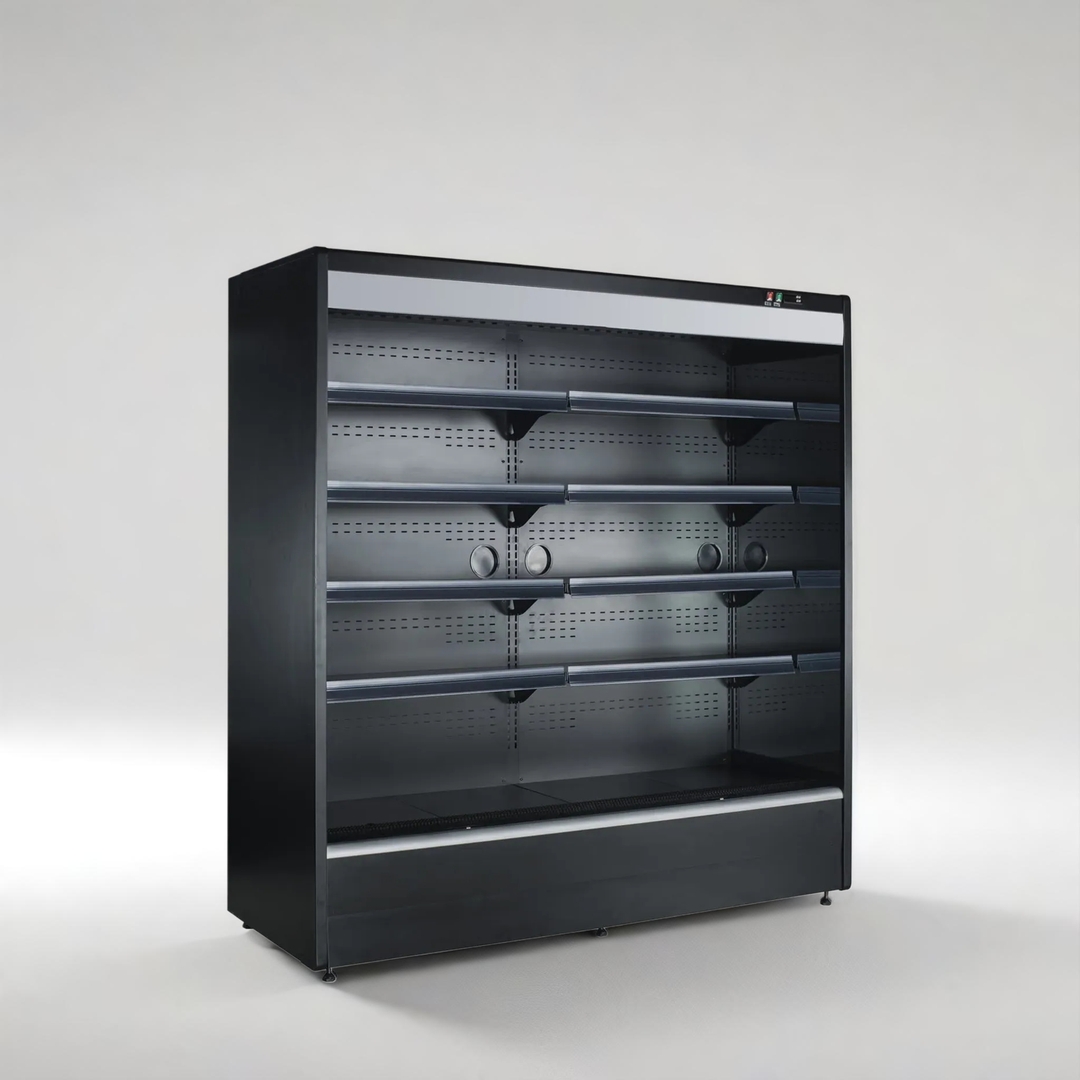
A bar and wine cooler suits a drinks-focused venue perfectly, while an open chiller cabinet works well for self-service retail environments. Neither replaces the bulk storage capability of a walk-in cooler for a full-service kitchen.
To assess your business’s needs accurately, follow these steps:
- Calculate your peak stock volume across all perishable categories.
- Map your kitchen workflow to identify where storage bottlenecks occur.
- Review your compliance obligations under current food safety and refrigerant regulations.
- Compare total cost of ownership, not just purchase price, across shortlisted options.
- Consult a refrigeration specialist before committing to installation.
Common pitfalls and pro tips for choosing a walk-in cooler
Even experienced hospitality managers make avoidable mistakes when specifying or maintaining walk-in coolers. Knowing what to watch for saves you money and keeps your operation running smoothly.
Mistake 1: Choosing on purchase price alone. The upfront cost of a walk-in cooler is only part of the picture. Energy consumption, maintenance frequency, and refrigerant costs all contribute to total cost of ownership (TCO). A cheaper unit with an inefficient compressor or a high-GWP refrigerant will cost you more over five years than a premium, compliant alternative.
Mistake 2: Neglecting routine maintenance. Dirty condenser coils, worn door gaskets, and blocked drain lines are the most common causes of efficiency loss. Selecting appropriate refrigerants and maintaining them correctly ensures maximum efficiency and compliance. A single door catering fridge may be easier to maintain in a smaller operation, but walk-in units require a structured maintenance schedule.
Mistake 3: Mismatching capacity to demand. An undersized cooler forces your team to overstock, compromising airflow and temperature consistency. An oversized unit wastes energy cooling empty space. Size your cooler to your realistic peak demand, with a modest buffer for growth.
Pro Tip: Always verify the refrigerant type before purchasing any walk-in cooler. Units using R404A or other high-GWP refrigerants may face servicing restrictions or replacement costs as regulations tighten. Opting for R290 or CO2 systems now protects your investment long-term.
A practical selection checklist:
- Confirm the unit meets current AWEF efficiency standards.
- Verify the refrigerant type and its regulatory status.
- Check insulation panel thickness (minimum 100mm for most hospitality applications).
- Inspect door seal quality and safety release mechanisms.
- Confirm remote monitoring and alarm capabilities are included.
- Request a full maintenance schedule from your supplier before installation.
Next steps for efficient hospitality refrigeration
Getting your walk-in cooler specification right is one of the most impactful decisions you will make for your kitchen’s food safety and cost control. The right unit, correctly installed and properly maintained, underpins your entire cold chain operation.
At EcoFrost, we have spent over 10 years helping hospitality businesses across the UK, Qatar, and India specify, install, and maintain commercial refrigeration that performs reliably under pressure. Whether you need expert guidance on fridge and freezer installation, a fast response for commercial refrigeration repair, or a structured programme of refrigeration maintenance services, our team is ready to support you. Speak to us today and let us help you build a cold storage solution that keeps your business compliant, efficient, and fully operational.
Frequently asked questions
What temperature should a walk-in cooler be set at?
A walk-in cooler should typically be set between 1°C and 4°C for safe food storage. This range keeps perishables fresh while meeting standard food hygiene requirements.
Why are walk-in coolers preferred in restaurants over standard fridges?
Walk-in coolers outperform standard models in both efficiency and capacity, making them the practical choice for high-volume hospitality environments where stock turnover is constant.
How often should walk-in coolers be serviced?
Professional servicing is recommended at least once a year, with internal checks carried out monthly. Routine maintenance ensures efficiency and keeps your unit compliant with food safety standards.
Are there environmental regulations for walk-in coolers?
Yes. AWEF testing is required for compliance, and regulations increasingly mandate the use of low-GWP refrigerants to reduce environmental impact across the hospitality sector.