
TL;DR:
- Recognizing early signs like temperature fluctuations and frost helps prevent major refrigeration failures.
- Proper tools, safety precautions, and routine checks are essential for effective troubleshooting.
- Regular proactive maintenance reduces emergency repairs, saves costs, and ensures food safety.
A malfunctioning walk-in chiller during a Saturday dinner service is not just an inconvenience. It can mean spoiled stock, failed health inspections, and guests left waiting while kitchen staff scramble to relocate perishables. For facility managers and operational leaders in restaurants and hotels, refrigeration failure is one of the costliest disruptions you can face. This guide walks you through practical troubleshooting steps, from recognising early warning signs to applying safe fixes and knowing when to call a certified engineer. The goal is straightforward: reduce downtime, protect food safety, and keep your operation running smoothly.
Table of Contents
- Understand the problem: recognising common refrigeration issues
- Essential preparation: tools, safety, and routine checks
- Step-by-step troubleshooting: identifying root causes
- Taking action: solutions, temporary fixes, and professionals
- Why proactive troubleshooting pays off, not just repairs
- Trusted commercial refrigeration support for hospitality
- Frequently asked questions
Key Takeaways
| Point | Details |
|---|---|
| Spot issues early | Recognising warning signs prevents costly refrigeration downtime and food loss. |
| Prepare the right way | Having tools, checklists and safety gear improves troubleshooting speed and safety. |
| Follow proven steps | A systematic diagnostic approach and logbook reduce guesswork considerably. |
| Know your limits | Staff must not handle refrigerants—escalate to certified professionals for complex faults. |
| Proactive beats reactive | Routine checks and maintenance planning result in less disruption than emergency repairs. |
Understand the problem: recognising common refrigeration issues
Before you can fix anything, you need to know what you are dealing with. The most frequent symptoms of common refrigeration issues in commercial kitchens and hotel food storage areas include:
- Inconsistent or rising temperatures inside the cabinet or cold room
- Excessive frost or ice build-up on evaporator coils or cabinet walls
- Unusual noises such as clicking, humming, or rattling from the compressor
- Water pooling beneath or inside the unit
- Compressor running constantly without reaching the set temperature
- Door seals that feel loose, torn, or warm to the touch
Not all faults carry the same urgency. A slightly noisy fan motor may give you days to schedule a repair. A compressor that has stopped working entirely demands immediate action. Understanding the difference between a fast breakdown and a slow efficiency loss is critical for prioritising your response.
One important distinction: reasons refrigeration fails often come down to gradual wear rather than sudden catastrophic failure. Dirty condenser coils, worn door gaskets, and blocked drain lines build up over weeks. By the time the unit shows obvious symptoms, the underlying problem may have been present for months.
Safety notice: Never attempt to handle refrigerants yourself. Refrigerant handling requires professional certification, and doing so without the correct qualifications is both illegal and dangerous. Always call a certified engineer for any work involving the refrigerant circuit.
| Symptom | Likely cause | Urgency |
|---|---|---|
| Temperature rising gradually | Dirty coils or failing thermostat | Moderate: schedule within 48 hours |
| Heavy frost on evaporator | Faulty defrost cycle or poor door seal | Moderate to high: check seals immediately |
| Compressor short-cycling | Dirty coils or refrigerant issues | High: call engineer promptly |
| Loud clicking or banging | Compressor or fan motor fault | High: investigate immediately |
| Water pooling inside unit | Blocked drain line | Low to moderate: clear drain |
| Unit not cooling at all | Power supply, thermostat, or compressor | Critical: act immediately |
Using this table as a quick reference during an incident helps your team triage problems efficiently and avoid unnecessary panic or delay.
Essential preparation: tools, safety, and routine checks
With common problems in mind, next ensure you and your team are prepared with the right tools and precautions. Arriving at a fault without the correct equipment wastes time and can introduce further risk.
Essential tools for first-line troubleshooting:
- Digital thermometer or data logger for accurate temperature readings
- Multimeter for checking electrical continuity and voltage
- Inspection mirror and torch for viewing coils and drain pans
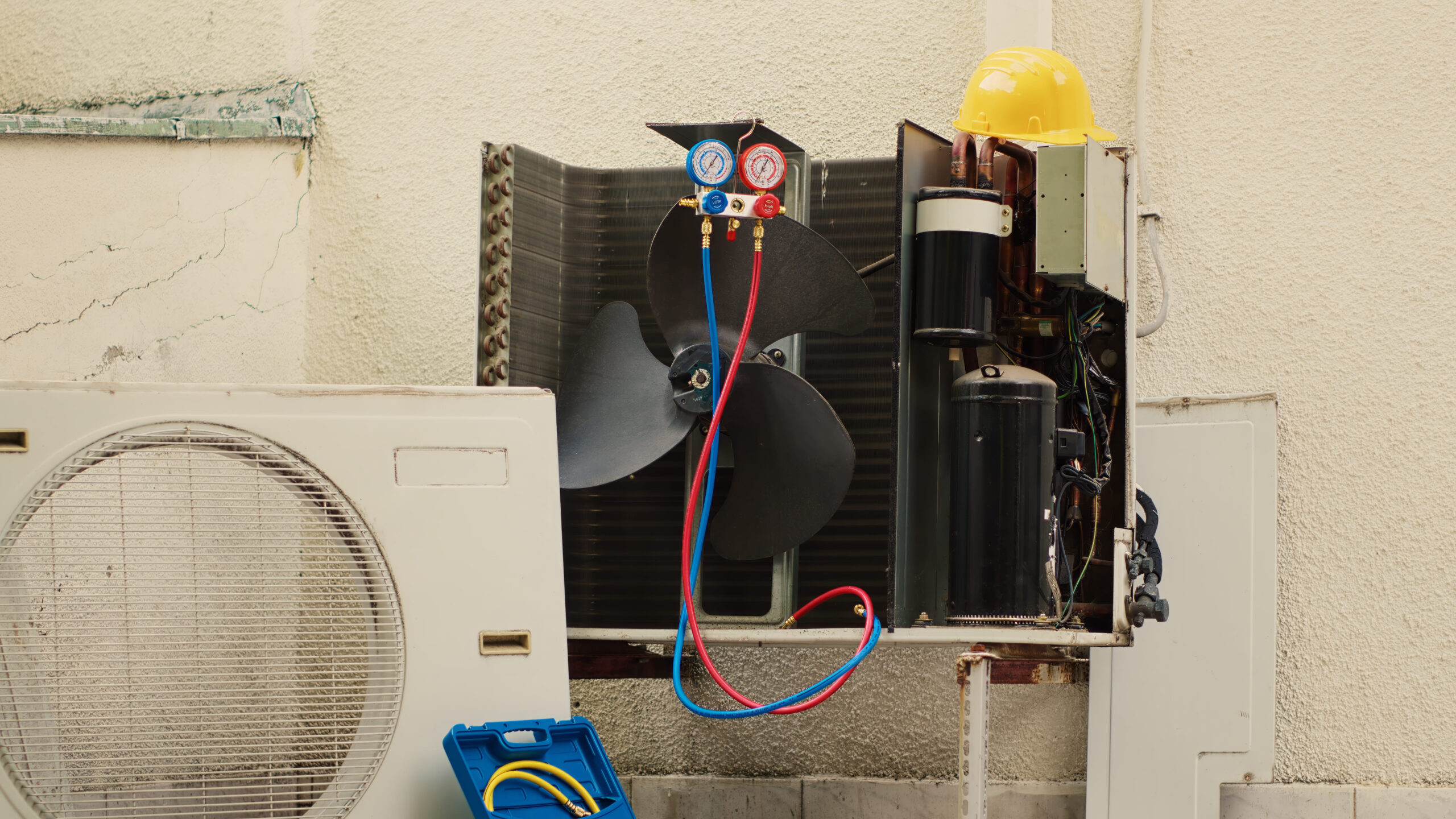
- Manifold gauge set (for use by qualified engineers only)
- Cleaning brushes and coil cleaner solution
Safety is non-negotiable. Staff carrying out basic checks should wear appropriate personal protective equipment (PPE), including insulated gloves when working near electrical components. Refrigerant handling must only ever be carried out by a certified professional, regardless of how minor the suspected leak appears.
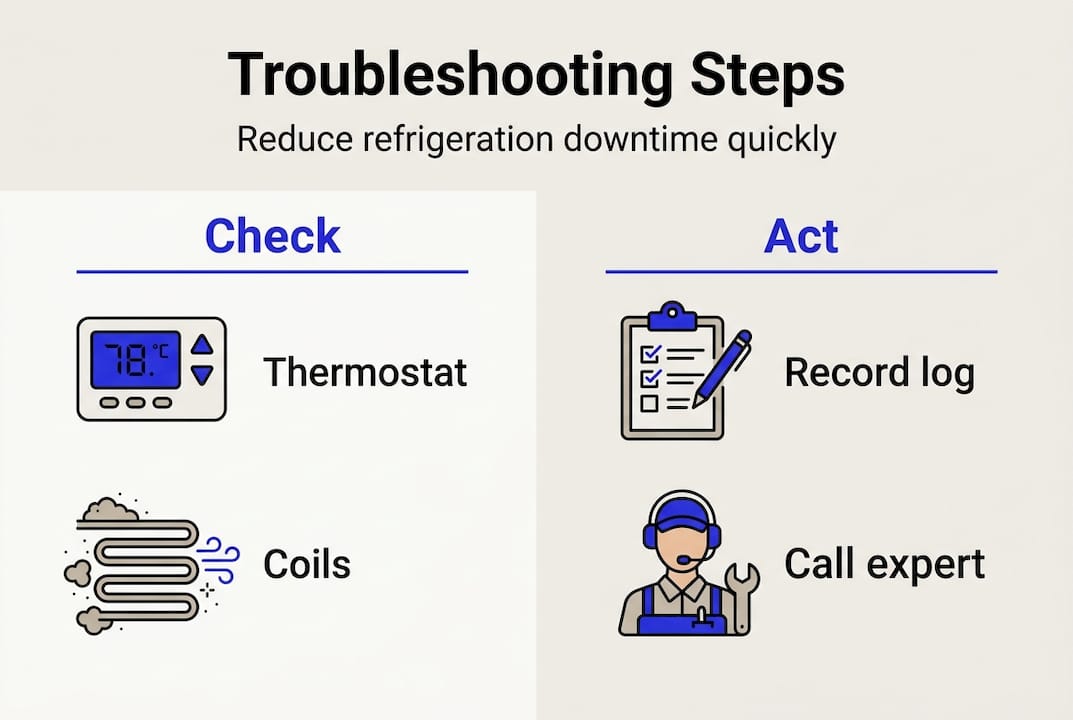
Before any fault investigation, run through these routine pre-checks:
- Confirm the unit is receiving power and the isolator switch is on
- Check thermostat settings have not been accidentally adjusted
- Inspect door seals visually and by feel for any gaps or deterioration
- Review the defrost cycle status on units with automatic defrost
- Examine condenser coils for dust and grease build-up
Guidance on cleaning your commercial fridge correctly is essential reading for any team responsible for first-line maintenance. Similarly, understanding maintenance for safe food storage ensures your checks align with HACCP food safety standards.
| Preparation item | Purpose | Responsibility |
|---|---|---|
| Digital thermometer | Verify internal temperatures | Facility manager or senior chef |
| Multimeter | Check electrical supply | Qualified technician |
| Maintenance logbook | Track fault history | All operational staff |
| PPE (gloves, goggles) | Personal safety during checks | All staff performing checks |
| Coil cleaning kit | Prevent efficiency loss | Maintenance team |
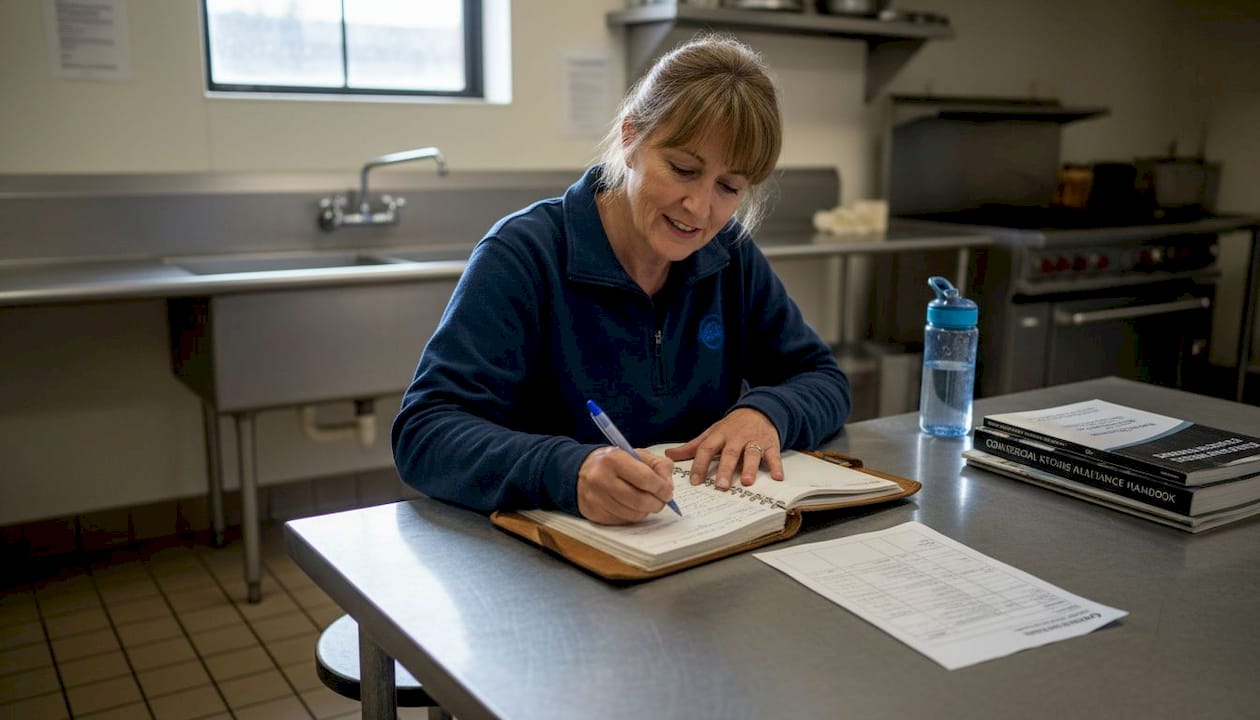
Pro Tip: A well-maintained logbook is one of the most underrated tools in refrigeration management. Recording dates, temperatures, and any unusual observations means that when a fault does occur, your engineer can pinpoint the root cause far more quickly, saving both time and money on the callout.
Step-by-step troubleshooting: identifying root causes
With your tools ready, these step-by-step procedures will help you drill down to the root cause efficiently. Follow this sequence rather than jumping straight to assumptions.
- Check the power supply. Confirm the unit is plugged in, the circuit breaker has not tripped, and the isolator switch is in the correct position. This sounds obvious, but power interruptions account for a surprising number of callouts.
- Verify temperature settings. Confirm the thermostat is set correctly. Accidental adjustments by staff are more common than you might expect, particularly in busy kitchens.
- Measure actual cabinet temperature. Use a calibrated digital thermometer. If the reading differs significantly from the set point, note the variance and how long the unit has been running.
- Inspect airflow. Check that condenser and evaporator coils are clear, that fans are operating, and that the unit has adequate clearance from walls and other equipment. Blocked airflow is one of the most common causes of poor performance.
- Examine door seals and closures. A damaged gasket allows warm, moist air to enter, causing frost build-up and temperature instability.
- Assess the defrost cycle. On units with automatic defrost, confirm the cycle is completing correctly. A defrost termination fault can cause progressive ice accumulation.
- Apply superheat and subcooling measurement. For qualified engineers, superheat and subcooling readings provide precise diagnosis of charge and restriction issues. High superheat with normal subcooling typically indicates a restriction rather than a low refrigerant charge, which changes the entire repair approach.
A common mistake is relying solely on pressure gauge readings without cross-referencing superheat and subcooling data. This leads to misdiagnosis and unnecessary refrigerant top-ups that do not address the actual fault. Investing in cost-efficient refrigeration solutions and selecting commercial refrigeration correctly from the outset also reduces the frequency of these diagnostic challenges.
Pro Tip: After each troubleshooting session, document every finding in your maintenance logbook, even if the issue seems minor. Patterns in the data often reveal recurring faults that point to a deeper systemic problem, and this record becomes invaluable when briefing an engineer.
Taking action: solutions, temporary fixes, and professionals
After identifying the fault, focus on safe, efficient solutions and knowing when professional help is required. Not every problem needs an engineer on-site within the hour, but some absolutely do.
Recommended on-site solutions for common faults:
- Dirty condenser coils: Clean using an appropriate coil cleaner and soft brush. This alone can restore significant cooling capacity and reduce energy consumption.
- Worn door seals: Replace gaskets promptly. A failed seal forces the compressor to work harder, accelerating wear and increasing electricity costs.
- Blocked drain line: Clear the drain carefully using warm water. Persistent blockages may indicate a deeper issue.
- Thermostat drift: Recalibrate or replace the thermostat if readings are consistently inaccurate.
Temporary fixes can keep service running safely while you await a repair. Moving stock to a backup unit, using supplementary ice packs for short-term cold holding, or adjusting service schedules to reduce the load on a struggling unit are all reasonable interim measures. However, these are bridges, not solutions.
Critical warning: Never attempt to repair or recharge a refrigerant circuit without the appropriate certification. Frosty freezer problems caused by air infiltration or defrost termination faults can appear similar to refrigerant issues. Misidentifying the cause and attempting a DIY recharge is dangerous, illegal, and will likely make the problem worse.
Escalate to a certified engineer immediately if you observe:
- Refrigerant leaks (oily residue near pipework, hissing sounds)
- Compressor failure or short-cycling that does not resolve after coil cleaning
- Electrical faults beyond a tripped breaker
- Persistent temperature failure despite all basic checks
- Any fault affecting units storing high-risk foods
Understanding the types of restaurant refrigeration in your facility also helps you communicate faults more precisely to engineers. Knowing whether you have a remote condensing unit or a self-contained system, for example, shapes the diagnostic conversation and speeds up resolution. The importance of refrigeration in restaurants cannot be overstated when it comes to food safety compliance and guest trust.
Why proactive troubleshooting pays off, not just repairs
Having seen the remedies, it is worth stepping back and rethinking the traditional approach to refrigeration maintenance. Many facilities operate on a reactive model: wait for something to break, then call an engineer. This approach feels economical until you calculate the true cost of a single failure during peak service.
Consider the compounding effect. A failed unit during a hotel breakfast service means spoiled dairy and protein stock, potential HACCP non-compliance, overtime for kitchen staff managing the crisis, and reputational damage if guests notice disruption. A single reactive callout, including emergency labour rates and stock replacement, can easily exceed the cost of six months of scheduled preventive maintenance.
Facilities that invest in staff training, structured logbooks, and regular maintenance contracts consistently report fewer emergency callouts and longer equipment lifespans. Upgrading refrigeration for efficiency is also worth considering when older units begin requiring frequent intervention, as the energy savings alone often justify the investment within two to three years.
The most effective facility managers we work with do not wait for a fault to appear. They schedule quarterly checks, review logbook data monthly, and treat refrigeration as a critical asset rather than a background utility. That mindset shift is what separates operations that run smoothly from those that are constantly fire-fighting.
Pro Tip: Build a modest annual budget specifically for preventive refrigeration maintenance. Even a modest planned spend consistently saves far more than unplanned emergency callout costs, which carry premium rates and often include stock loss on top.
Trusted commercial refrigeration support for hospitality
If you want reliable, expert support beyond in-house troubleshooting, dedicated professionals are only a call away. At EcoFrost, we work with restaurants, hotels, and food service businesses across the UK, Qatar, and India to deliver fast-response diagnostics, planned maintenance, and full commercial refrigeration repair services.
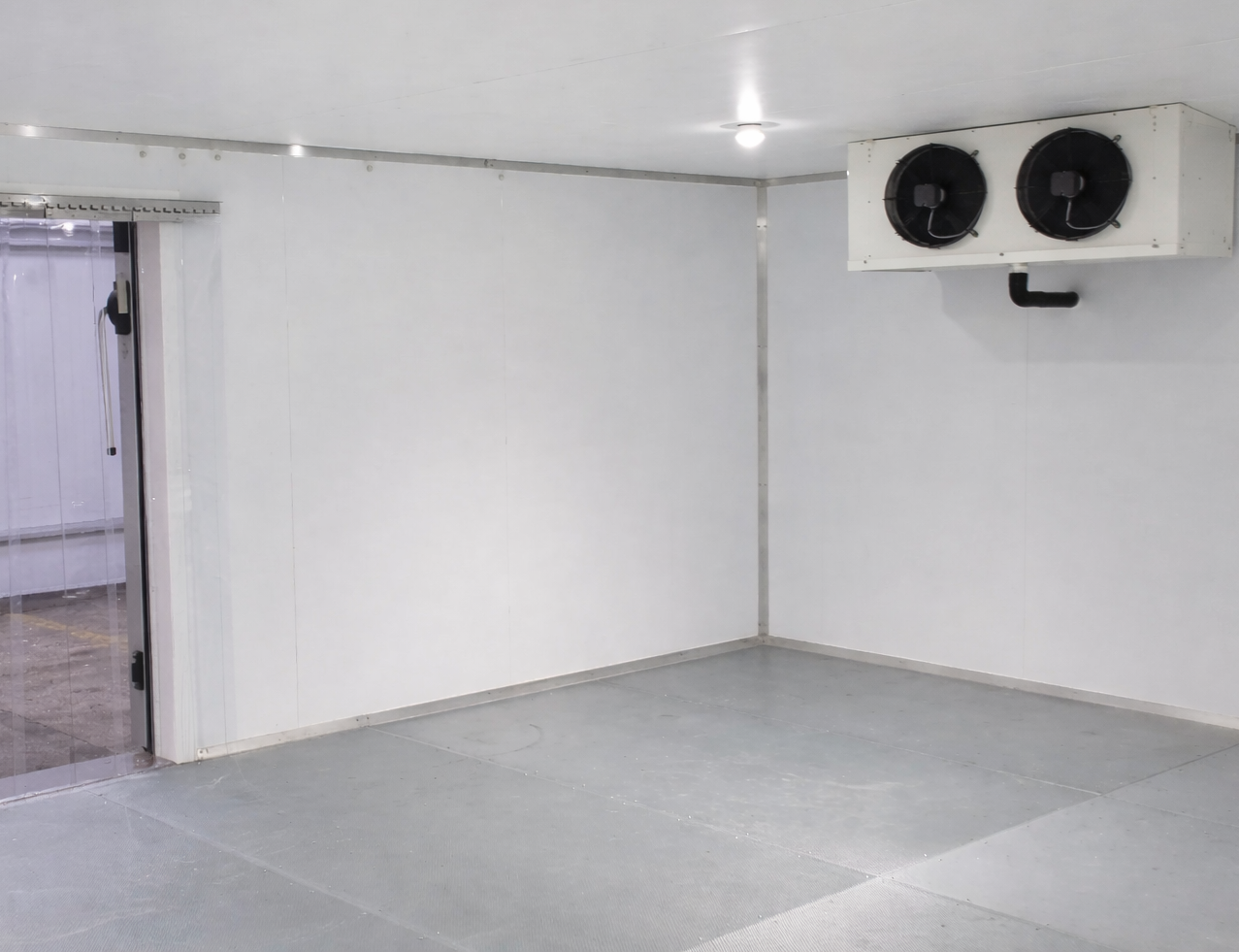
Our engineers are fully certified and experienced in the full range of commercial refrigeration systems, from walk-in cold rooms to undercounter units. Whether you need a one-off repair, a structured maintenance programme, or advice on cost-efficient refrigeration options for your operation, we are here to help. For hotel operators specifically, our hotel freezer maintenance service is designed to keep your equipment performing at its best year-round. Get in touch with EcoFrost today to discuss a maintenance plan that fits your operation.
Frequently asked questions
What are the earliest warning signs of refrigeration failure?
Unusual temperature fluctuations, noisy operation, and visible frost build-up often signal the start of refrigeration or freezer issues. Catching these early allows you to act before stock is at risk.
Is it safe for staff to fix refrigerant leaks themselves?
No. Refrigerant handling requires professional certification, and attempting repairs without it is both illegal and hazardous. Always contact a certified engineer for any refrigerant circuit work.
What quick checks can reduce emergency callouts?
Inspecting door seals, coil cleanliness, and temperature settings regularly can reveal minor issues before they cause major breakdowns. These checks take minutes and can prevent costly emergency visits.
How does superheat measurement help with troubleshooting?
Superheat and subcooling readings allow precise diagnosis of charge and restriction issues, avoiding costly guesswork. High superheat with normal subcooling, for example, points to a restriction rather than a low refrigerant charge.