
A single refrigeration failure can cost a restaurant, hotel, or retail business thousands of pounds in spoiled stock, emergency call-outs, and regulatory penalties. When your cold chain breaks down, the consequences move fast: food safety risks escalate, customer trust erodes, and operational continuity is threatened. Knowing how to spot problems early and act decisively is what separates businesses that recover quickly from those that face prolonged disruption. This guide walks you through the most common refrigeration issues, their root causes, and the practical steps you can take to resolve and prevent them.
Table of Contents
- Criteria for identifying refrigeration problems
- Temperature fluctuations and control failures
- Compressor and condenser unit failures
- Leaks, moisture, and frost build-up
- Electrical faults and sensor issues
- Head-to-head comparison of common refrigeration problems
- Preventive maintenance strategies for commercial refrigeration
- Commercial refrigeration solutions from EcoFrost Hvac
- Frequently asked questions
Key Takeaways
| Point | Details |
|---|---|
| Spot early warning signs | Quick detection of temperature swings, noise, and moisture saves costly repairs and lost inventory. |
| Scheduled maintenance | Routine inspections and cleaning prevent major faults, extend unit lifespan, and ensure compliance. |
| Professional solutions | Expert repair and maintenance support is essential for rapid, reliable resolution of refrigeration issues. |
| Comparison aids decision-making | Understanding key differences between refrigeration problems helps prioritise urgent business fixes. |
| Preventive strategies | Implementing a regular maintenance plan reduces operational risks and disruption in commercial settings. |
Criteria for identifying refrigeration problems
Recognising a refrigeration problem before it becomes a crisis requires consistent observation. Many faults give clear early signals, but they are easy to overlook during a busy service period. Training your team to notice and report these signs is one of the most cost-effective investments you can make.
The most common warning signs include:
- Unusual noise: Rattling, humming, or clicking sounds often indicate compressor strain or fan motor issues.
- Temperature swings: Inconsistent readings inside the unit suggest thermostat or sensor faults.
- Ice build-up: Frost accumulating on internal walls or evaporator coils points to airflow or defrost cycle problems.
- Higher energy bills: A sudden spike in electricity consumption often means the unit is working harder than it should.
- Condensation on door seals: Worn or damaged gaskets allow warm air in, forcing the compressor to overcompensate.
Refrigeration issues can affect compliance with food safety regulations, making early detection critical for any commercial operation. Staying on top of restaurant refrigeration maintenance is equally important for long-term reliability.
Pro Tip: Keep a written log of daily temperature readings and any maintenance checks carried out. This record is invaluable during inspections and helps identify recurring patterns before they escalate into costly repairs.
Temperature fluctuations and control failures
Building on the warning signs presented above, let us focus on the most commonly reported issue: temperature fluctuation. This is not just an inconvenience. It is a direct threat to food safety, stock value, and regulatory standing.
Common causes of temperature control failures include:
- Failing thermostats: When the thermostat loses accuracy, the unit cannot maintain the correct set point.
- Sensor faults: Damaged or misplaced temperature sensors send incorrect readings to the control board.
- Refrigerant issues: Low refrigerant levels reduce cooling capacity, causing the cabinet temperature to rise.
- Blocked airflow: Overstocked shelves or dirty evaporator coils restrict cold air circulation.
Frequent refrigeration problems have a direct impact on food safety and operational efficiency. Even a deviation of just 2°C above the recommended storage temperature can accelerate bacterial growth and render stock non-compliant with HACCP food safety standards. Understanding the types of restaurant refrigeration in your operation helps you match the right unit to the right application, reducing the risk of temperature failures from the outset. For ongoing guidance, restaurant refrigeration maintenance best practices provide a solid framework.
Statistic callout: A temperature deviation of just 2°C can trigger stock spoilage, non-compliance penalties, and customer complaints, all within a single service period.
Compressor and condenser unit failures
After tackling temperature issues, let us move on to mechanical faults inside the unit. The compressor and condenser are the engine room of any refrigeration system. When either fails, the entire unit is at risk.
Key symptoms and causes to watch for:
- Persistent cycling: The compressor switches on and off too frequently, indicating pressure imbalances or electrical faults.
- Overheating: Excessive heat around the compressor housing suggests poor ventilation or refrigerant problems.
- Unusual noise: Grinding or knocking sounds from the compressor are a serious warning sign.
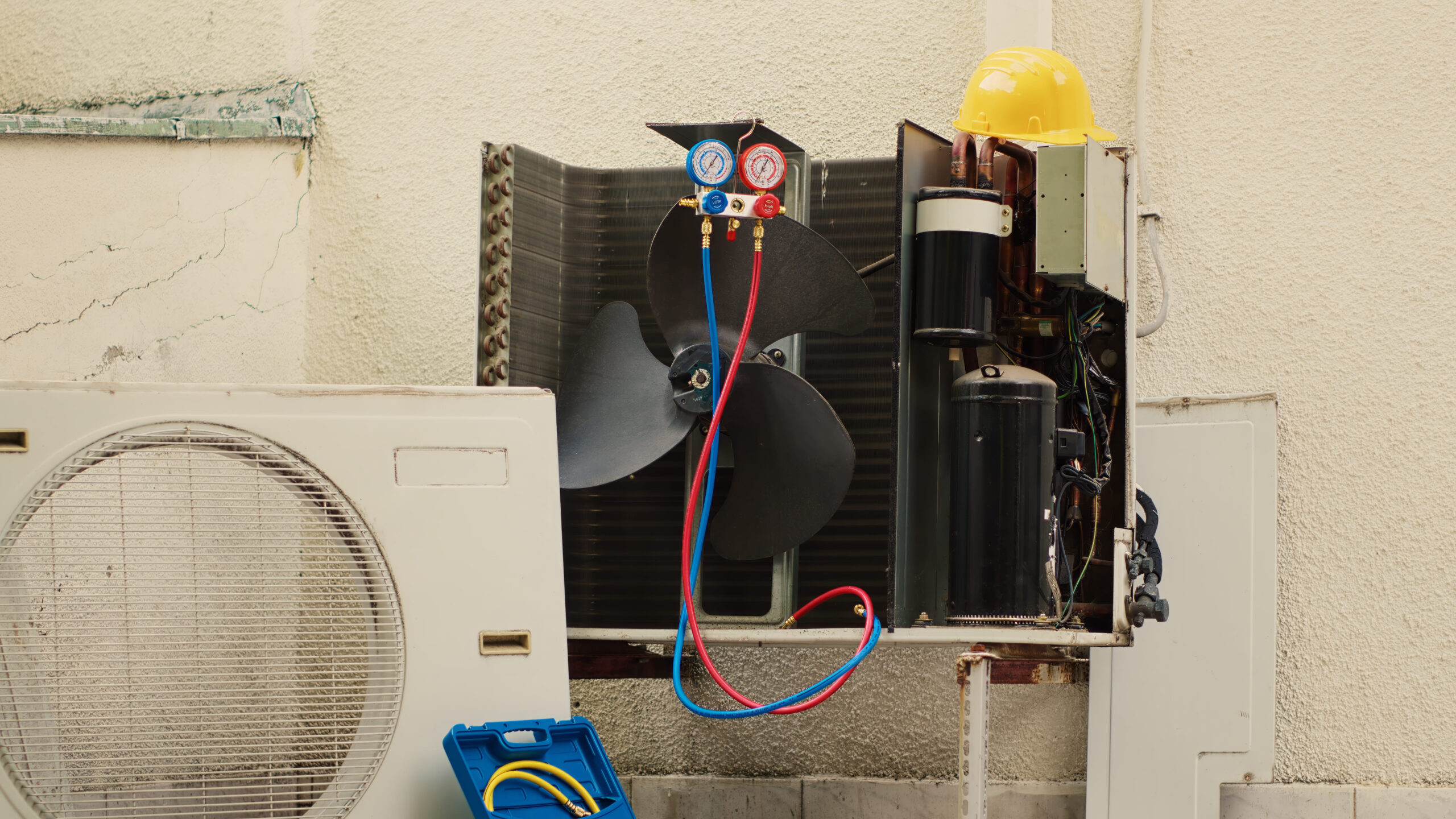
- Dirty condenser coils: Dust and grease accumulation on coils forces the system to work harder, raising energy consumption.
- Fan motor failure: A failed condenser fan leads to rapid overheating and potential total unit shutdown.
‘A faulty compressor often results in total unit failure, causing costly downtime.’
Compressor and condenser failures are a leading cause of refrigeration downtime in commercial settings. For retail operators, addressing these faults promptly is essential to protecting retail refrigeration efficiency and profitability.
Pro Tip: Schedule coil cleaning every three months and arrange a professional performance check twice a year. This simple routine can extend compressor life significantly and reduce emergency call-out costs.
Leaks, moisture, and frost build-up
Beyond mechanical faults, moisture management plays a key role in refrigeration reliability. Leaks and frost accumulation are among the most disruptive issues a commercial operator can face, yet they are often preventable with the right maintenance approach.
Common causes of leaks and moisture problems:
- Worn door seals: Degraded gaskets allow warm, humid air to enter the cabinet continuously.
- Damaged piping: Vibration and age can cause refrigerant lines to crack or corrode.
- Improper installation: Incorrectly fitted units may have drainage issues that lead to water pooling.
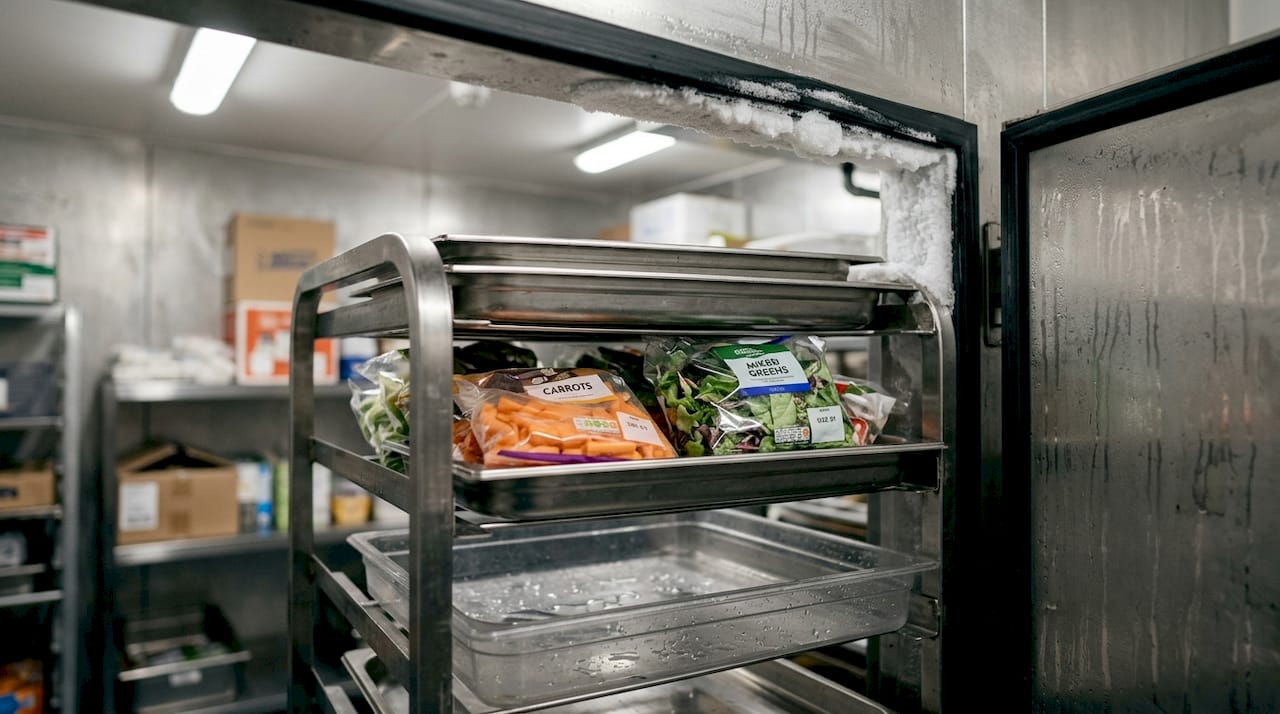
- Blocked drain lines: Standing water inside the unit creates hygiene risks and accelerates frost build-up.
Leaks and frost build-up are frequent causes of refrigeration inefficiency. When selecting new equipment, understanding the options available through a commercial refrigeration guide and selecting commercial refrigeration resources helps you avoid units prone to these issues.
| Leak type | Symptom | Recommended solution |
|---|---|---|
| Refrigerant leak | Rising cabinet temperature, hissing sound | Professional regas and seal repair |
| Water ingress | Pooling water, mould growth | Drain line clearance, seal replacement |
| Frost build-up | Ice on evaporator coils, reduced airflow | Defrost cycle check, door seal inspection |
Electrical faults and sensor issues
Once moisture and leaks are under control, electrical and sensor faults can derail operations unexpectedly. Many major refrigeration failures are caused by electrical and sensor faults, often with little warning.
Follow this sequential checklist when diagnosing electrical or sensor problems:
- Check the fuse board: A blown fuse is the simplest fault to identify and resolve. Always start here.
- Inspect the control panel: Look for error codes or warning lights on the unit’s display.
- Test door switches: Faulty door switches can prevent the unit from entering the correct operating mode.
- Examine wiring connections: Loose or corroded terminals cause intermittent faults that are difficult to trace.
- Assess temperature sensors: A sensor reading that is consistently out of range suggests replacement is needed.
- Call a qualified technician: If the above checks do not resolve the issue, professional repair services are essential to avoid total unit shutdown.
Electrical faults left unaddressed escalate quickly. What begins as an intermittent fault can result in a complete system failure during peak trading hours, precisely when you can least afford it.
Head-to-head comparison of common refrigeration problems
With individual problems covered, use this table to quickly compare their key traits and the best response.
| Problem | Key symptoms | Urgency | Quick fix |
|---|---|---|---|
| Temperature fluctuation | Inconsistent readings, spoiled stock | High | Check thermostat and sensors |
| Compressor failure | Cycling, overheating, noise | Critical | Professional inspection immediately |
| Condenser coil blockage | High energy bills, overheating | Medium | Clean coils, check fan motor |
| Refrigerant leak | Rising temperature, hissing | High | Stop use, call technician |
| Frost build-up | Ice on coils, reduced airflow | Medium | Defrost cycle check, seal inspection |
| Electrical fault | Error codes, unit shutdown | High | Fuse check, then professional repair |
| Worn door seals | Condensation, warm cabinet | Medium | Replace gaskets promptly |
Preventive maintenance strategies for commercial refrigeration
The comparison table highlights urgent issues, but prevention is always the best defence. A structured maintenance programme reduces the likelihood of unexpected failures and keeps your refrigeration running efficiently year-round.
Follow these steps to build a reliable maintenance routine:
- Daily temperature checks: Record cabinet temperatures at the start and end of each trading day.
- Weekly door seal inspection: Check gaskets for cracks, tears, or loss of flexibility.
- Monthly coil cleaning: Remove dust and grease from condenser coils to maintain airflow and efficiency.
- Quarterly drain line clearance: Flush drain lines to prevent blockages and water pooling.
- Bi-annual professional service: Arrange a full system inspection, including refrigerant levels, electrical connections, and sensor calibration.
- Annual performance review: Assess whether ageing units should be serviced or replaced to avoid escalating repair costs.
Maintaining regular inspections is crucial to prevent common refrigeration issues from developing into serious operational disruptions. Detailed restaurant maintenance tips provide further guidance tailored to food service environments.
Pro Tip: Use automated temperature monitoring tools that send real-time alerts to your phone or management system when readings fall outside the safe range. This removes reliance on manual checks and gives you an immediate response window before stock is compromised.
Commercial refrigeration solutions from EcoFrost Hvac
Having explored both reactive and preventative solutions, it is worth knowing that you do not have to manage these challenges alone. EcoFrost Hvac brings over 10 years of commercial refrigeration expertise across the UK, Qatar, and India, supporting businesses in restaurants, hotels, and retail with fast, reliable service.
Whether you need urgent commercial refrigeration repair, a new fridge and freezer installation, or a structured maintenance services programme to keep your units performing at their best, EcoFrost has the expertise and resources to deliver. Our engineers respond promptly, work to minimise downtime, and provide clear, honest advice at every stage. Protecting your cold chain is protecting your business, and we are here to help you do exactly that.
Frequently asked questions
What are the first signs of refrigeration trouble in a business?
Unusual noise, inconsistent temperatures, ice build-up, and increased energy bills are the most common early indicators. Spotting these warning signs early gives you the best chance of resolving faults before they affect stock or compliance.
How can I prevent compressor failure in my refrigeration unit?
Schedule routine coil cleaning and regular performance inspections to minimise compressor faults. Regular coil cleaning and checks are among the most effective preventive measures available.
What should I do if my commercial fridge develops a refrigerant leak?
Identify the source, stop using the unit, and call a professional technician immediately. Delays increase stock losses and create compliance risks that can result in regulatory penalties.
Can electrical faults be diagnosed without professional help?
Some minor faults, such as blown fuses or tripped switches, can be checked in-house, but major electrical faults require expert intervention to avoid further damage or safety risks.
What is the most important routine maintenance task for refrigeration?
Temperature monitoring and regular cleaning of coils and seals are the top priorities. Routine cleaning and monitoring consistently prevent the most common and costly refrigeration failures.