
Hotels face refrigeration costs that often consume up to 15% of their total energy budget, yet many operators struggle to identify which system best suits their operational needs. Choosing the wrong refrigeration type can lead to inflated energy bills, frequent breakdowns, and food safety risks that damage reputation and profitability. This guide explains the main refrigeration systems used in hotels, compares their energy efficiency and costs, and provides practical advice to help you select and optimise the right solution for your property. Understanding these differences empowers you to reduce operational expenses whilst maintaining the reliability your guests and kitchen teams depend on.
Table of Contents
- Key takeaways
- Understanding hotel refrigeration systems and their types
- Comparing hotel refrigeration types: energy use, costs and suitability
- Practical considerations for hotel refrigeration choice and optimisation
- Explore professional refrigeration solutions with EcoFrost Hvac
- Frequently asked questions
Key Takeaways
| Point | Details |
|---|---|
| System choice matters | Choosing the right refrigeration system can significantly impact energy costs, reliability and compliance. |
| Energy efficiency savings | More efficient systems lower energy use and operating costs across the hotel. |
| System types explained | Direct expansion, remote rack and chilled water cover a range of scales and layouts. |
| Maintenance extends life | Regular maintenance prolongs equipment life and preserves performance. |
Understanding hotel refrigeration systems and their types
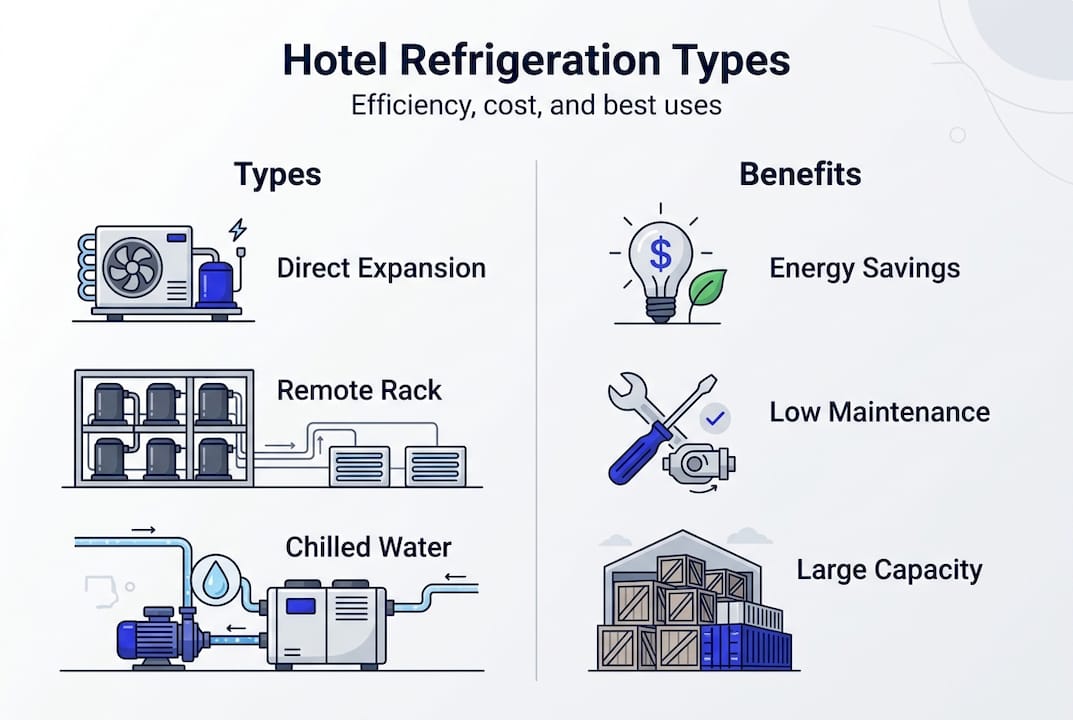
Hotels typically use various refrigeration types including direct expansion, remote rack, and chilled water systems, each designed for specific operational scales and requirements. Understanding these fundamental types helps you evaluate which approach aligns with your property’s layout, capacity needs, and budget constraints.
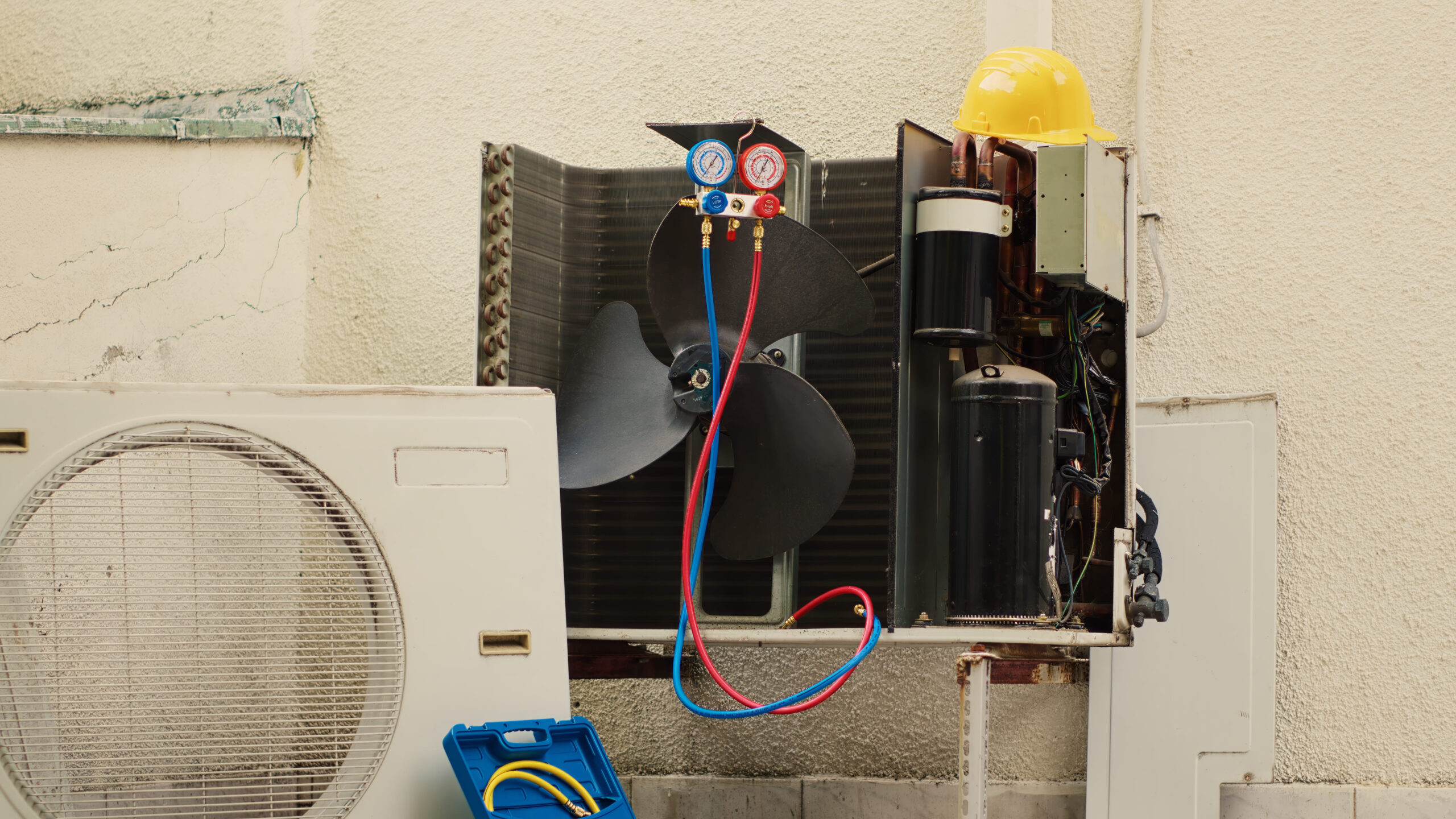
Direct expansion systems represent the most straightforward refrigeration approach. These self-contained units house the compressor, condenser, and evaporator in a single package or in closely coupled components. You’ll find them commonly in smaller hotels, boutique properties, or as supplementary units in larger establishments. Each unit operates independently, providing localised cooling for specific areas like minibars, beverage stations, or small kitchen storage rooms. The main advantage lies in their simplicity: installation requires minimal infrastructure, and a failure in one unit doesn’t affect others. However, they typically consume more energy per unit of cooling capacity compared to centralised systems, and managing multiple independent units increases maintenance coordination.
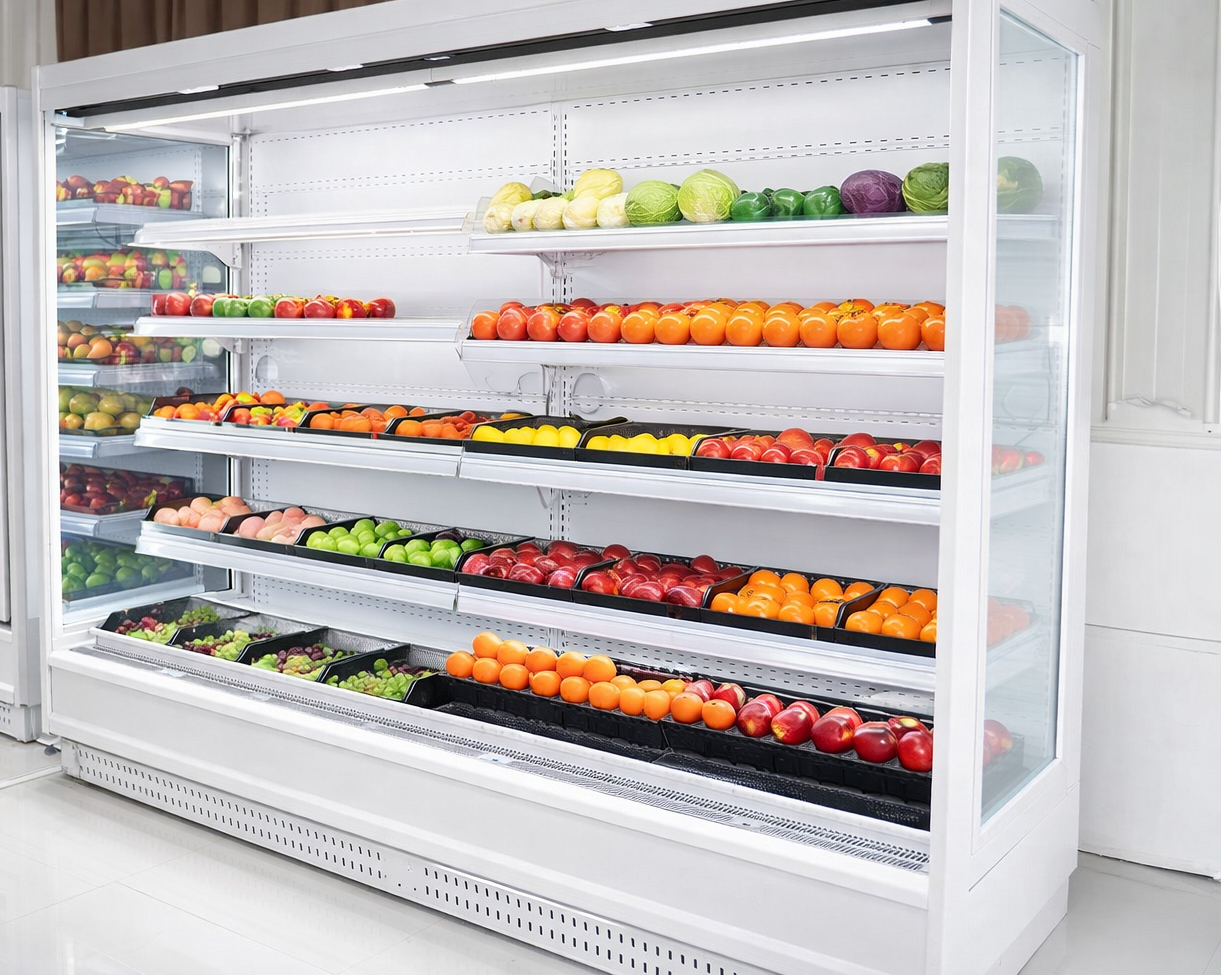
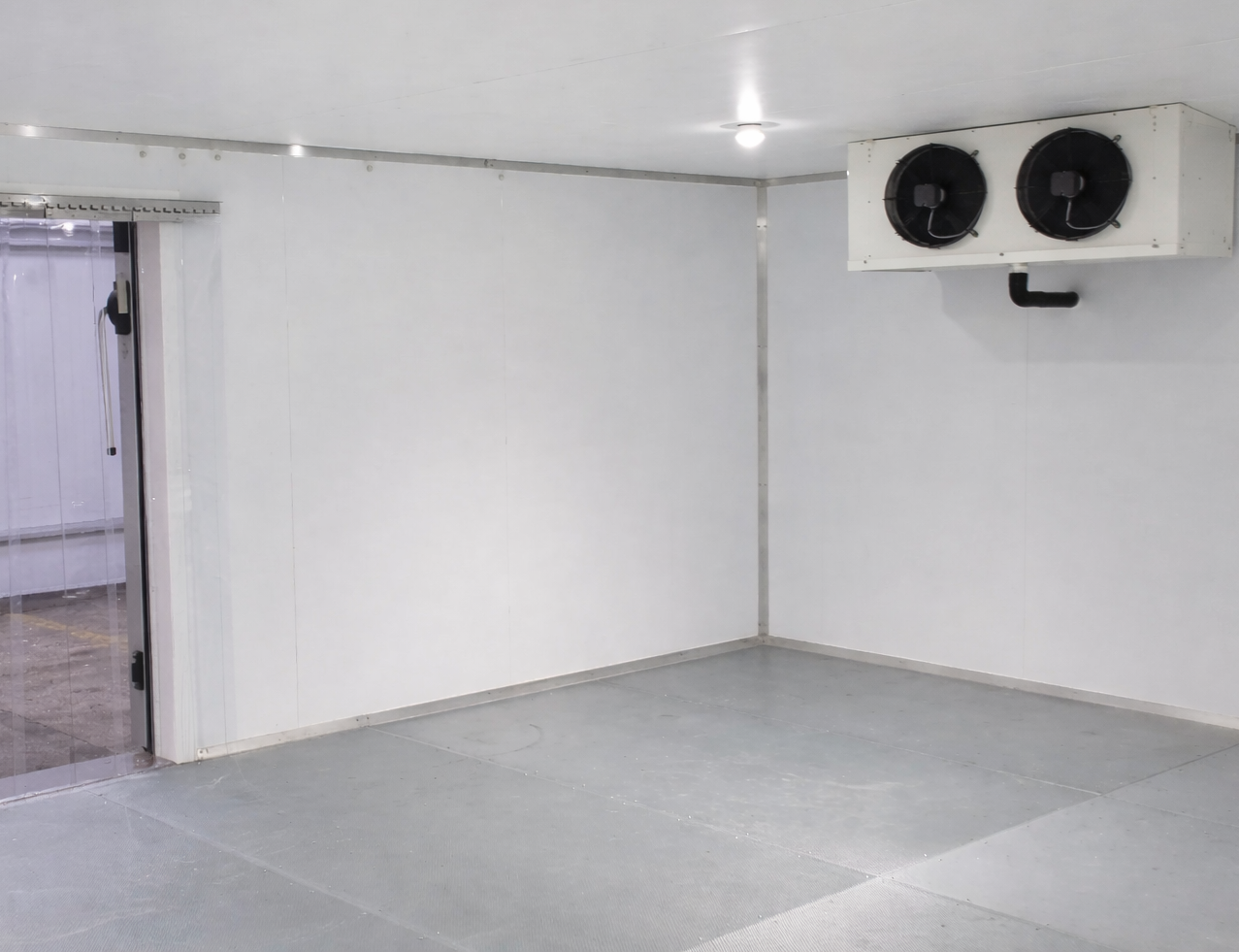
Remote rack systems centralise refrigeration compressors in a dedicated machine room, distributing cooling to multiple display cases, walk-in coolers, and storage units throughout the property. This configuration separates heat-generating compressors from guest and kitchen areas, reducing noise and improving indoor comfort. Remote racks excel in medium to large hotels with substantial refrigeration loads spread across multiple zones. The centralised design allows for more efficient compressor operation, easier maintenance access, and better monitoring of system performance. You gain economies of scale as the system grows, though the initial installation requires significant infrastructure investment including refrigerant piping networks and dedicated mechanical space.
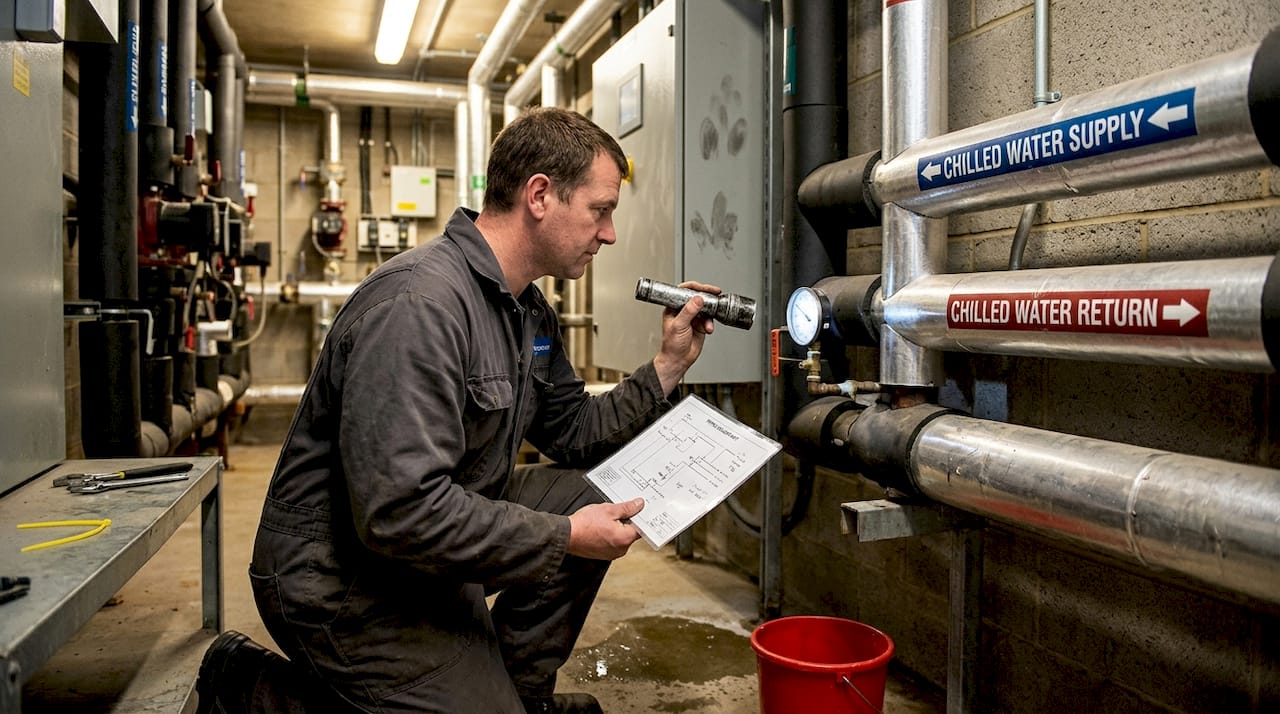
Chilled water systems use a central chiller to cool water, which then circulates through pipes to various cooling coils and equipment throughout the hotel. This approach works exceptionally well for large properties requiring both air conditioning and refrigeration, as the same chilled water loop can serve multiple purposes. Hotels with extensive conference facilities, large kitchens, and numerous guest floors benefit from the flexibility and scalability of chilled water systems. The separation of refrigerant circuits from occupied spaces enhances safety, and water distribution proves simpler and less costly than extensive refrigerant piping. These systems demand substantial upfront investment and dedicated plant rooms, making them most suitable for properties with high, consistent cooling demands.
Pro Tip: Assess your hotel’s refrigeration needs by mapping out all cooling requirements across guest areas, kitchens, bars, and storage spaces before selecting a system type. This comprehensive view reveals whether a single centralised system or multiple smaller units better serves your operational patterns.
Comparing hotel refrigeration types: energy use, costs and suitability
Choosing energy efficient systems is critical for commercial spaces to reduce costs and carbon footprint, and understanding how different refrigeration types compare helps you make evidence-based decisions. Differences in energy consumption and maintenance affect total cost of ownership, making comprehensive comparison essential rather than focusing solely on purchase price.
| System type | Energy efficiency | Initial cost | Maintenance complexity | Best suited for |
|---|---|---|---|---|
| Direct expansion | Moderate (individual units less efficient) | Low to moderate | Low (simple, independent units) | Small hotels, boutique properties, supplementary cooling |
| Remote rack | High (centralised compressors optimise efficiency) | High (infrastructure investment) | Moderate (centralised access, specialised knowledge) | Medium to large hotels with distributed refrigeration needs |
| Chilled water | Very high (economies of scale, dual use potential) | Very high (major infrastructure) | High (complex systems, specialised maintenance) | Large hotels, resorts, properties with combined cooling needs |
Direct expansion systems suit properties where refrigeration demands remain modest and distributed across disconnected areas. A boutique hotel with 30 rooms might use individual units for minibars, a small kitchen walk-in, and beverage display cases. The lower upfront investment makes financial sense when cooling loads don’t justify centralised infrastructure. However, energy costs accumulate across multiple independent compressors, and you’ll coordinate maintenance visits for each unit separately. Typical lifespan ranges from 10 to 15 years with proper care, though individual units may fail independently requiring replacement.
Remote rack systems deliver optimal value for mid-sized properties with 100 to 300 rooms and substantial food service operations. Centralising compressors improves energy efficiency by 20 to 30% compared to equivalent direct expansion capacity, as larger compressors operate more efficiently and sophisticated controls optimise performance across varying loads. The infrastructure investment includes refrigerant piping, a dedicated machine room with proper ventilation, and potentially heat recovery systems that capture waste heat for water heating. Maintenance becomes more streamlined with all major components in one location, though you’ll need technicians with expertise in larger commercial systems. Well-maintained remote rack systems operate reliably for 15 to 20 years.
Chilled water systems represent the premium choice for large hotels, resorts, and properties where refrigeration integrates with broader HVAC requirements. A 500-room hotel with multiple restaurants, conference facilities, and spa areas benefits from the flexibility of distributing chilled water to diverse cooling applications. Energy efficiency peaks when the system serves both air conditioning and refrigeration loads, maximising the return on substantial infrastructure investment. Maintenance demands specialised knowledge of chillers, pumps, water treatment, and control systems, typically requiring dedicated engineering staff or comprehensive service contracts. These systems deliver 20 to 25-year lifespans with proper maintenance, making them sound long-term investments for properties with stable, high cooling demands.
Pro Tip: Calculate total cost of ownership over a 15-year period rather than comparing only purchase prices. Include energy costs based on your local rates, expected maintenance expenses, and potential equipment replacement cycles. This analysis often reveals that higher-efficiency systems with greater upfront costs deliver superior financial returns through operational savings, particularly as energy prices continue rising.
Practical considerations for hotel refrigeration choice and optimisation
Applying your understanding of refrigeration types requires systematic evaluation of your property’s specific requirements, operational constraints, and long-term goals. Proper maintenance prevents failures that risk food safety and add costs, whilst refrigeration compliance remains vital for food safety and legal regulations in hospitality.
Follow these steps when selecting your refrigeration approach:
-
Calculate total cooling capacity requirements by inventorying all refrigeration needs including kitchen storage, beverage cooling, guest amenities, and any specialised requirements like wine cellars or pharmaceutical storage.
-
Assess available space for equipment installation, considering both the refrigeration units themselves and supporting infrastructure like machine rooms, condensers, and service access areas.
-
Evaluate your property’s electrical infrastructure to ensure adequate capacity for your chosen system, as upgrading electrical service adds significant costs if current supply proves insufficient.
-
Analyse your operational patterns to determine whether cooling demands remain relatively constant or fluctuate significantly with occupancy, season, or event schedules.
-
Review your budget comprehensively, including installation costs, projected energy expenses, maintenance requirements, and potential future expansion needs.
-
Consider your in-house maintenance capabilities and local service provider availability, as complex systems require specialised expertise that may not be readily accessible in all locations.
Maintenance practices directly determine whether your refrigeration investment delivers its potential lifespan and efficiency. Establish quarterly inspections covering refrigerant levels, electrical connections, condenser and evaporator coil cleanliness, and control system calibration. Monthly checks should verify temperature accuracy, door seals, and any unusual noises or performance changes. Annual comprehensive servicing by qualified technicians should include refrigerant leak testing, compressor performance evaluation, and full system optimisation. Implementing a restaurant refrigeration maintenance schedule prevents costly emergency repairs and ensures consistent performance.
Compliance with food safety refrigeration standards protects your guests, staff, and business reputation. UK regulations require commercial refrigeration to maintain food storage temperatures below 8°C, with most operators targeting 1°C to 4°C for optimal safety margins. Your refrigeration system must include accurate temperature monitoring, alarm systems for temperature excursions, and documentation procedures proving consistent compliance. Regular calibration of temperature sensors ensures readings remain accurate, whilst backup power or contingency plans protect against refrigeration failure during power outages. Understanding refrigeration compliance requirements helps you avoid violations that can result in closure orders, fines, or reputational damage.
Pro Tip: Partner with a trusted HVAC provider who understands hotel operations and can provide comprehensive support from system selection through installation and ongoing maintenance. This relationship ensures you receive expert guidance tailored to your property’s unique needs, access to emergency support when issues arise, and proactive maintenance that prevents problems before they impact operations. The right provider becomes an extension of your team, helping you optimise performance and manage costs effectively over your equipment’s entire lifespan.
Explore professional refrigeration solutions with EcoFrost Hvac
Hotels require refrigeration systems that balance efficiency, reliability, and compliance with operational demands. EcoFrost Hvac brings over 10 years of specialised experience helping hospitality properties across the UK select, install, and maintain optimal refrigeration solutions. Our team understands the unique challenges hotels face, from managing diverse cooling needs across multiple zones to maintaining food safety standards whilst controlling energy costs.
We guide you through commercial refrigeration selection based on your property’s specific requirements, ensuring you invest in systems that deliver long-term value. Our commercial fridge installation services handle everything from initial design through commissioning and staff training. We specialise in energy efficient HVAC systems that reduce operational costs whilst maintaining the performance your hotel demands. Our comprehensive maintenance programmes keep your equipment running efficiently, prevent unexpected failures, and ensure ongoing compliance with food safety regulations. Contact EcoFrost Hvac to discuss how we can optimise your hotel’s refrigeration performance.
Frequently asked questions
What are the main types of refrigeration used in hotels?
Direct expansion, remote rack, and chilled water systems represent the three primary refrigeration types in hotel applications. Direct expansion suits smaller properties with independent cooling needs, remote rack systems work well for medium to large hotels with distributed refrigeration requirements, and chilled water systems serve large properties with substantial, integrated cooling demands. Each type offers distinct advantages in energy efficiency, scalability, and operational complexity.
How can hotels improve refrigeration energy efficiency?
Implementing energy efficient HVAC systems, maintaining regular service schedules, and managing cooling loads appropriately deliver significant efficiency gains. Upgrading older units to modern, high-efficiency models typically reduces energy consumption by 20 to 30%, whilst proper maintenance ensures systems operate at peak performance. Simple practices like minimising door openings, ensuring proper airflow around condensers, and setting appropriate temperature targets also contribute to lower energy use.
Why is maintenance important for hotel refrigeration?
Maintenance prevents failures that risk food safety and cause costly repairs, whilst extending equipment lifespan and preserving efficiency. Regular servicing identifies potential issues before they escalate into emergency breakdowns that disrupt operations and threaten food safety compliance. Well-maintained refrigeration systems operate more efficiently, reducing energy costs and delivering reliable performance that protects your investment. Establishing a comprehensive restaurant refrigeration maintenance programme ensures consistent compliance with health regulations.
What should hotels consider when choosing refrigeration types?
Capacity requirements, energy efficiency, available space, maintenance capabilities, and compliance needs form the foundation of sound refrigeration decisions. Assess your total cooling demands across all hotel areas, evaluate your electrical infrastructure and physical space constraints, and consider your budget for both initial investment and ongoing operational costs. Understanding commercial refrigeration selection criteria helps you choose systems that deliver optimal performance for your specific operational patterns. Calculate total cost of ownership over the equipment’s expected lifespan rather than focusing solely on purchase price, as energy savings from efficient systems often justify higher upfront investment.