
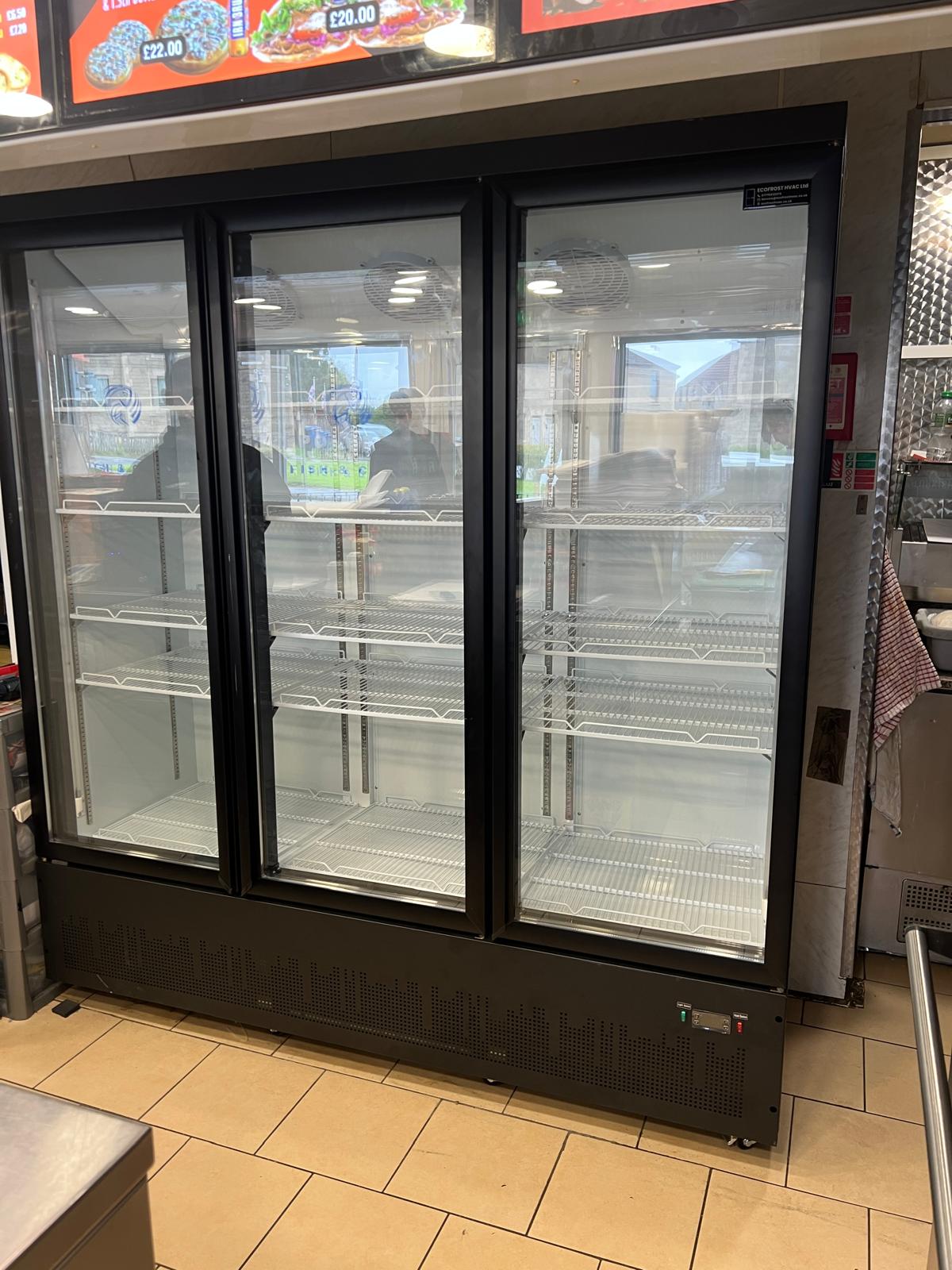
Old refrigeration units are quietly draining your budget. Most operations managers assume that if a unit is still running, it is doing its job. But energy use could fall by 67.5% simply by combining proper maintenance with best-available cabinet technology. That gap between what your current system costs and what it should cost represents real money leaving your business every month. This article explains why legacy systems underperform, what modern refrigeration actually delivers, and how to make the right upgrade decisions for your operation.
Table of Contents
- Why many retail refrigeration systems fall short
- Key benefits of upgrading your refrigeration
- How modern refrigeration technologies deliver superior performance
- Sustainability and compliance: Choosing the right refrigerant
- Practical challenges and considerations when upgrading
- Ready to upgrade your refrigeration with EcoFrost?
- Frequently asked questions
Key Takeaways
| Point | Details |
|---|---|
| Energy savings up to 67% | Modern refrigeration can reduce your energy use and bills by more than half. |
| Reduce breakdown risks | Proper upgrades and maintenance prevent up to 80% of costly failures. |
| Stay compliant and future-proof | Switching to low-GWP refrigerants now protects against regulations and supports ESG goals. |
| Improved product quality | Better systems keep food fresher for longer and enhance customer satisfaction. |
Why many retail refrigeration systems fall short
Most commercial refrigeration units in hospitality settings were installed years ago and have never been replaced. Age alone is not the problem. The real issue is a combination of outdated technology, deferred maintenance, and designs that were never optimised for today’s energy standards.
Common failure points include:
- Worn door seals and gaskets that allow warm air to infiltrate constantly
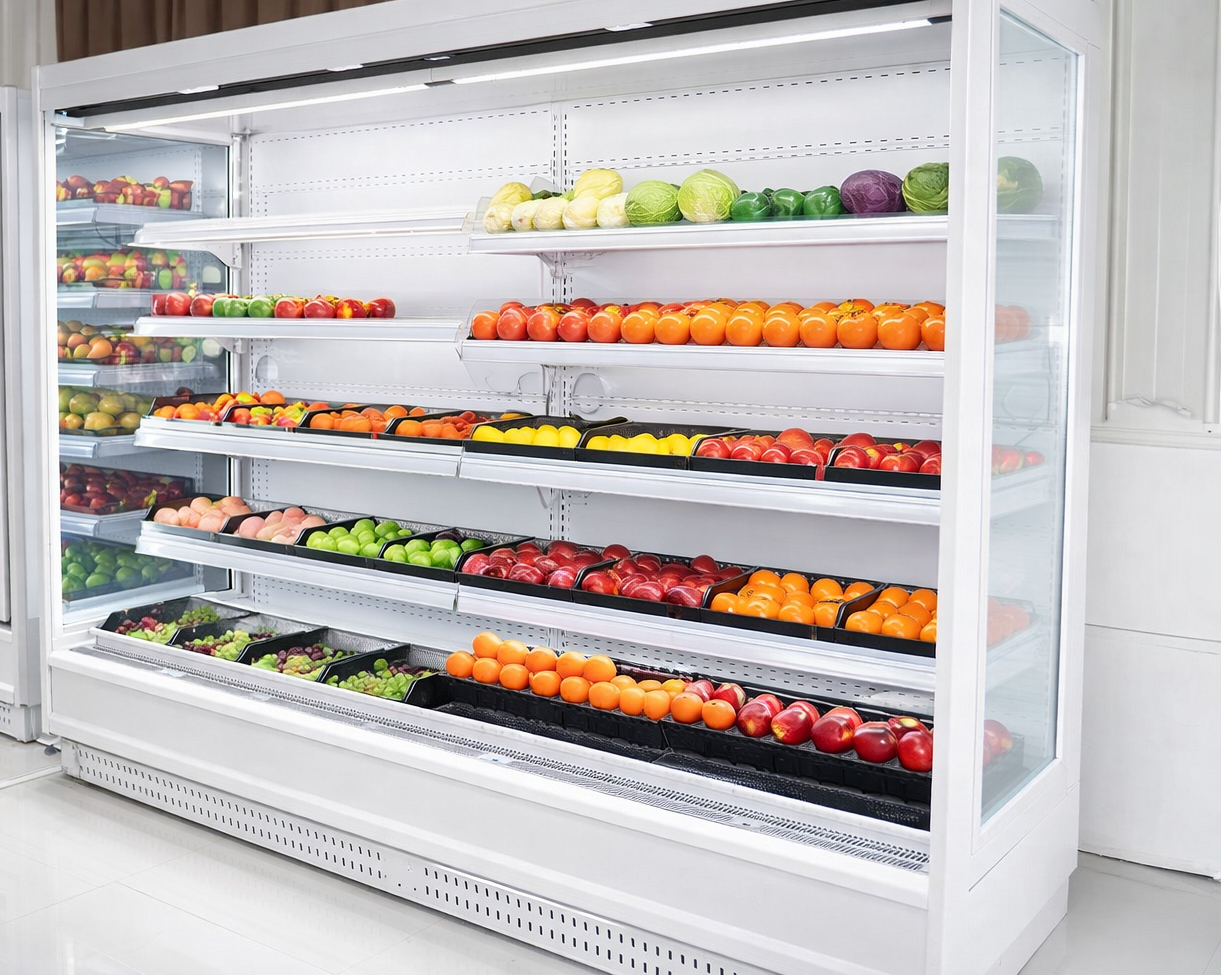
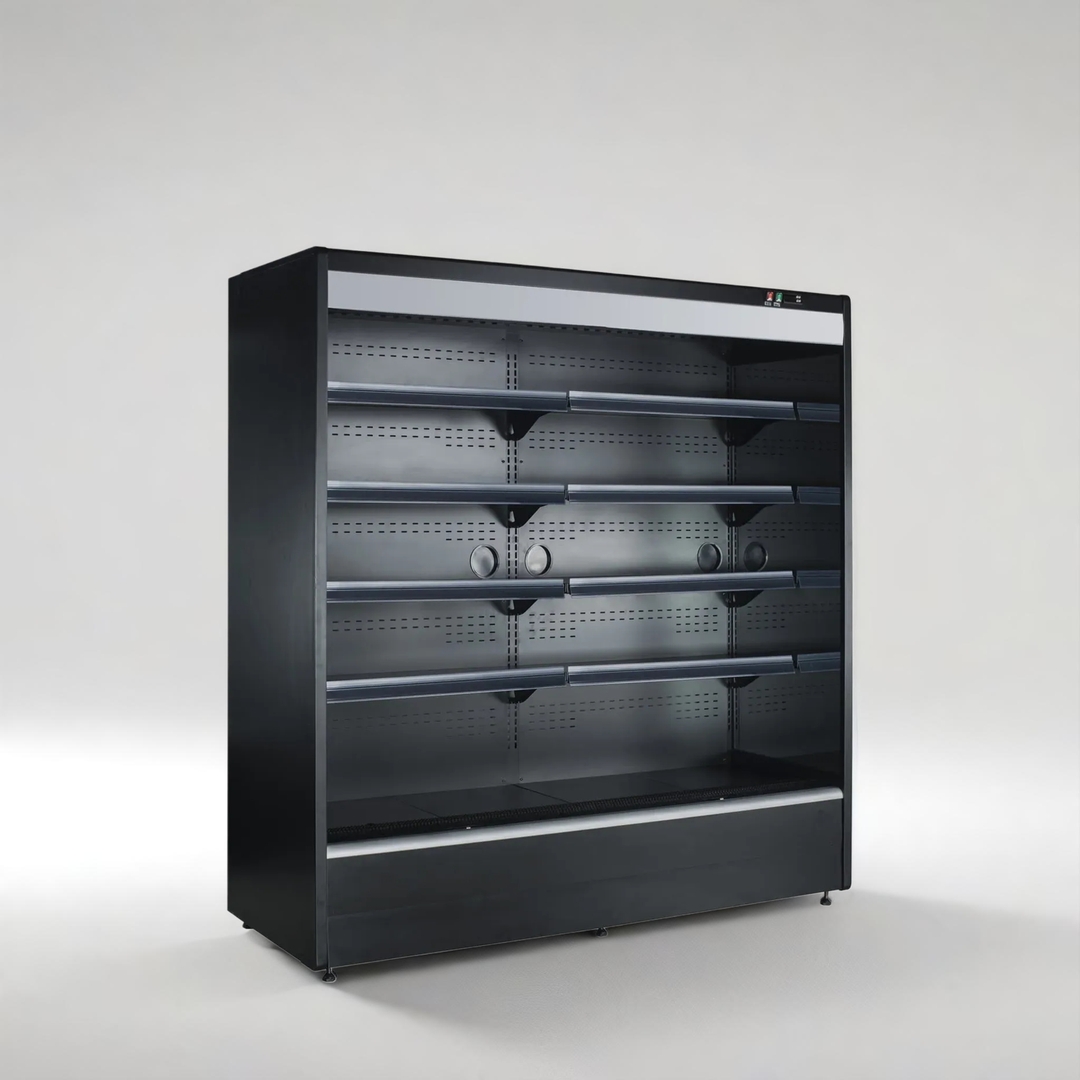
- Open-fronted display cabinets where high condensing temperatures and the absence of doors drive excessive energy use
- Outdated refrigerants that are being phased out under UK and European regulations
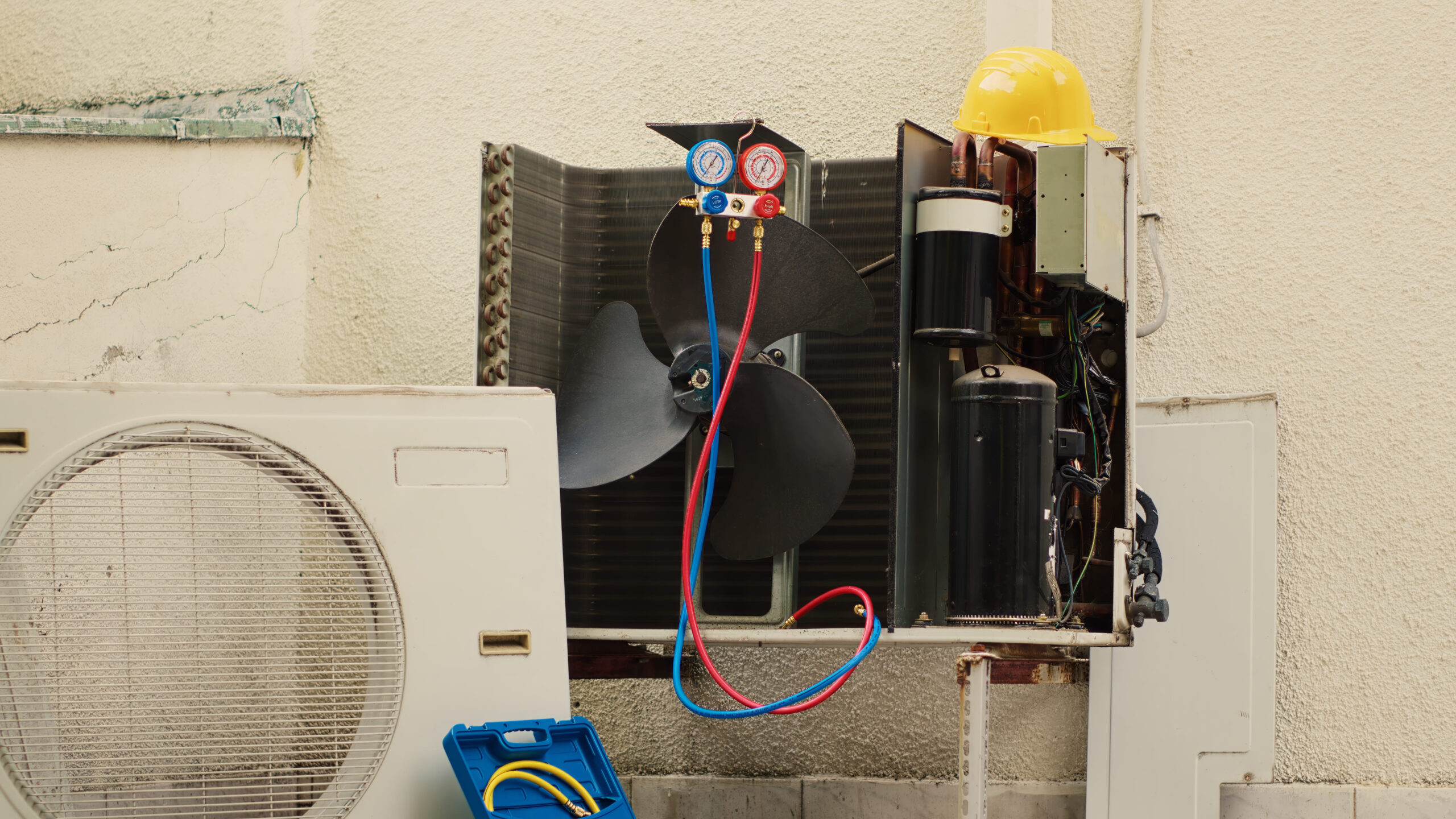
- Blocked condenser coils that force compressors to work harder than necessary
- Inadequate monitoring that allows small faults to escalate into costly failures
The consequences go beyond high electricity bills. Poor maintenance causes up to 80% of all refrigeration breakdowns, meaning most failures are entirely preventable. Understanding the full scope of refrigeration failure risks helps you see why reactive repairs are far more expensive than planned upgrades.
“The single biggest driver of refrigeration inefficiency is not equipment age. It is the accumulation of small, ignored maintenance issues that compound over time.”
For hospitality businesses specifically, the stakes are higher than in other sectors. A breakdown does not just mean a repair bill. It means spoiled stock, potential food safety violations, and unhappy guests. Reviewing your approach to restaurant refrigeration safety is a sensible first step before any upgrade conversation begins.
Key benefits of upgrading your refrigeration
The business case for upgrading is straightforward once you look at the numbers. Energy savings alone often justify the investment within a few years, and that is before accounting for reduced repair costs and compliance benefits.
Here are the primary returns you can expect:
- Lower energy bills. Optimising maintenance and best available cabinets can cut fridge energy consumption by up to 67.5%. For a mid-sized hotel or restaurant group, that translates to thousands of pounds annually.
- Fewer breakdowns. Modern systems with better components and smart monitoring fail far less often, reducing both repair costs and operational disruption.
- Regulatory compliance. Upgrading now positions your business ahead of tightening refrigerant regulations rather than scrambling to comply later.
- Better product preservation. Consistent temperatures protect food quality, reduce waste, and support the food safety benefits that regulators and guests both expect.
- Improved ESG credentials. Lower energy consumption and compliant refrigerants strengthen your sustainability reporting.
Key statistic: Switching to low-GWP refrigerants delivers 7 to 25% energy savings on top of compliance benefits. That range widens significantly when combined with cabinet and controls upgrades.
The compounding effect matters here. Energy savings, reduced waste, fewer emergency call-outs, and lower compliance risk all improve your bottom line simultaneously. Upgrading is not a single-benefit decision.
How modern refrigeration technologies deliver superior performance
Understanding what actually drives the efficiency gains helps you ask better questions when evaluating suppliers and proposals. The improvements are not vague. They are specific, measurable, and well-documented.
| Feature | Legacy system | Modern system |
|---|---|---|
| Fan motors | Standard AC motors | ECM (electronically commutated) motors |
| Compressor | Fixed-speed | Variable-speed, demand-led |
| Defrost control | Timer-based | Smart, demand-initiated |
| Door seals | Worn, often leaking | High-performance magnetic gaskets |
| Leak detection | Manual checks | Automated sensors |
| Monitoring | None or basic | Remote, real-time dashboards |
ECM evaporator fans save up to 75% in fan energy compared to standard motors, and variable-speed compressors adjust output to match actual cooling demand rather than running at full capacity regardless of load. These two changes alone account for a substantial portion of the efficiency gains available from an upgrade.
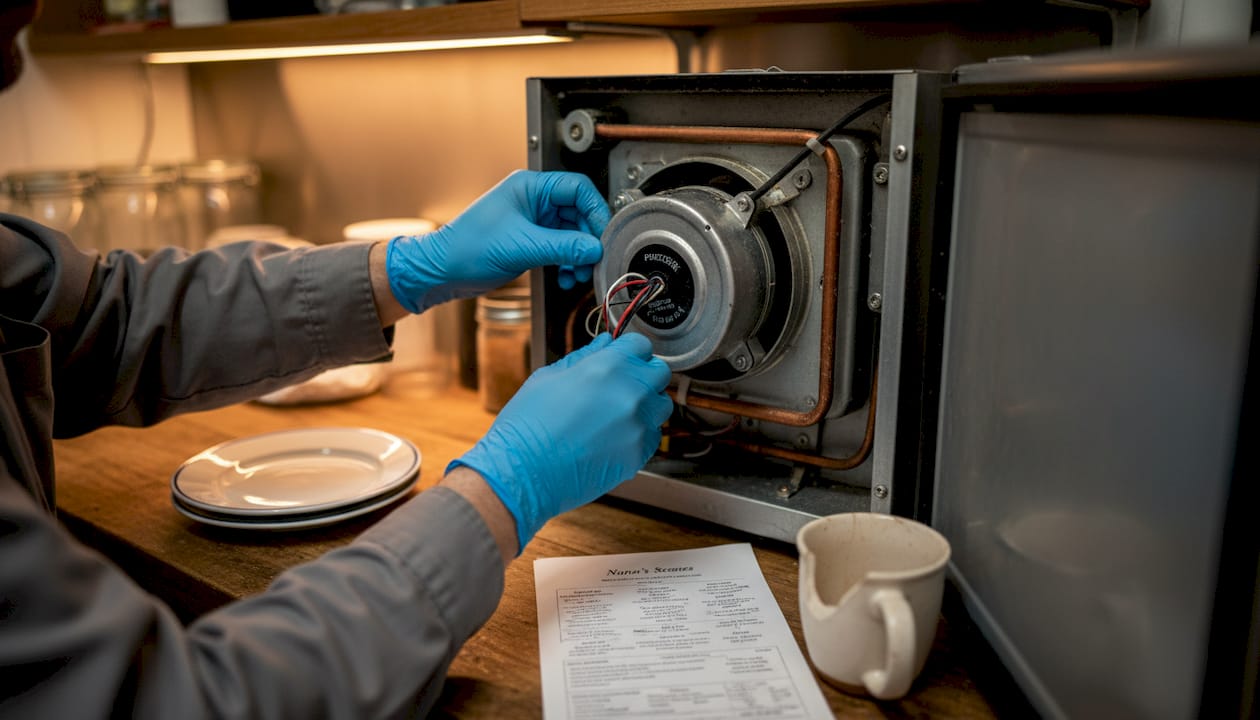
Smart defrost cycles are another underrated improvement. Timer-based defrost runs on a fixed schedule whether the system needs it or not. Demand-initiated defrost only activates when sensors detect ice build-up, cutting unnecessary energy use and reducing temperature fluctuations that affect product quality.
Pro Tip: When reviewing proposals for new equipment, ask specifically about ECM fan motors and variable-speed compressors. If a supplier cannot confirm these are included, you are likely looking at a mid-tier product that will not deliver the efficiency gains you need.
Modern gaskets and automated leak detection are less glamorous but equally important. A leaking door seal on a display cabinet can increase energy consumption by 10 to 15% on that unit alone. Automated leak detection protects system integrity and helps you stay compliant with refrigerant handling regulations. For a broader view of what drives long-term performance, our guide to sustainable refrigeration tech covers the full picture.
Sustainability and compliance: Choosing the right refrigerant
Refrigerant choice is one of the most consequential decisions in any refrigeration upgrade. Get it wrong and you may face compliance issues within a few years. Get it right and you gain a competitive advantage on both cost and sustainability.
The UK and European regulatory direction is clear. High global warming potential (GWP) refrigerants are being phased down under the F-Gas Regulation, and natural refrigerants are the direction of regulatory travel, making early adoption a sound investment rather than a risk.
Here is a comparison of the main refrigerant options:
| Refrigerant | GWP | Best suited for | Key consideration |
|---|---|---|---|
| R-404A (legacy HFC) | 3,922 | Cold storage | Being phased out; avoid for new installs |
| R-448A (low-GWP HFC blend) | 1,387 | Retrofit applications | Good transition option; not a long-term solution |
| CO2 (R-744) | 1 | Cold climates, large sites | Higher upfront cost; excellent long-term compliance |
| Ammonia (R-717) | 0 | Industrial cold storage | Requires specialist handling |
Transitioning to low-GWP refrigerants like CO2 or R-448A avoids compliance risk and reduces operational costs over time. However, the right choice depends on your site.
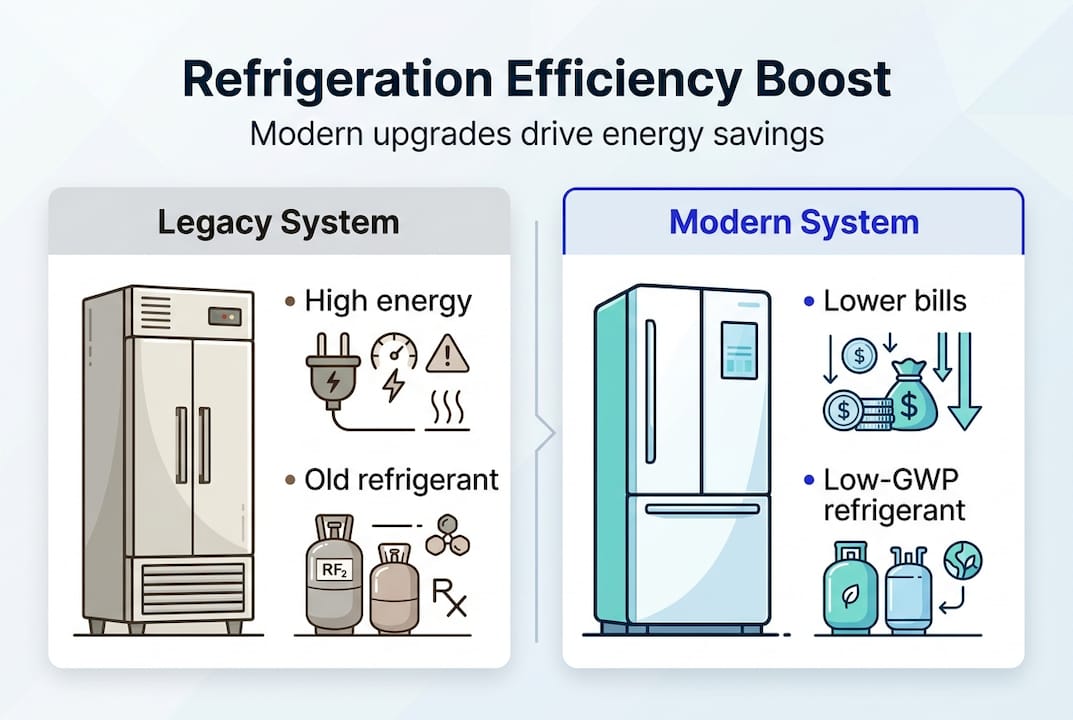
CO2 systems perform excellently in cold climates but carry higher upfront costs and can show variable energy performance in hot ambient conditions. For operations in the UK, CO2 is generally well-suited. For sites in Qatar or warmer regions, a careful site assessment is essential before committing.
Key considerations when choosing a refrigerant:
- Ambient temperature at your site affects CO2 system efficiency significantly
- Existing pipework may or may not be compatible with new refrigerants
- Regulatory timeline for your current refrigerant determines urgency
- Supplier support for the chosen refrigerant in your region
Pro Tip: Do not wait for your current refrigerant to be banned before planning a transition. Lead times for compliant equipment and qualified engineers are growing. Starting the conversation now gives you options; waiting gives you a crisis.
For a full breakdown of what the regulations require and when, our refrigeration compliance guide is the right starting point.
Practical challenges and considerations when upgrading
Knowing the benefits is one thing. Making the upgrade happen without disrupting your operation is another. Most of the practical challenges are manageable with the right planning, but they deserve honest attention.
The main considerations include:
- Upfront costs. CO2 systems carry a 7 to 24% cost premium over conventional HFC systems. This is real, but it is offset by lower running costs and reduced compliance risk over the system’s life.
- Installation disruption. Replacing refrigeration in a trading kitchen or live bar area requires careful scheduling. Work with your installer to plan around service hours.
- Noise and vibration. Guest-facing areas require quieter equipment. Specify low-noise units and check decibel ratings before purchasing.
- Space requirements. Modern systems may have different footprints. Measure carefully and confirm compatibility with your existing layout.
“The businesses that manage upgrades most smoothly are those that treat it as a project, not a purchase. Planning, phasing, and communication make the difference.”
Rental models are increasingly popular in hospitality precisely because they remove the capital expenditure barrier and typically include maintenance, reducing the risk of the 80% of breakdowns that stem from neglected servicing. If your budget is constrained, rental deserves serious consideration.
Maintenance planning is non-negotiable regardless of the route you choose. A new system installed without a proper maintenance programme will degrade quickly and fail to deliver the efficiency gains you invested in. Our guide to selecting refrigeration covers what to look for in both equipment and service agreements.
For the installation itself, working with experienced engineers who understand hospitality environments makes a significant difference. Proper commissioning, correct refrigerant charging, and thorough handover training all affect long-term performance. Our fridge and freezer installation service is designed specifically for commercial environments where downtime is not an option.
Ready to upgrade your refrigeration with EcoFrost?
At EcoFrost, we have spent over a decade helping hospitality businesses across the UK, Qatar, and India move from inefficient legacy systems to modern, compliant refrigeration that actually performs. We understand the pressures you face: tight margins, demanding guests, and regulations that keep evolving.
Our team handles everything from initial site assessment and refrigerant selection through to installation, commissioning, and ongoing maintenance. We do not just sell equipment. We take responsibility for the outcome. Whether you are replacing a single unit or overhauling a full kitchen refrigeration suite, we bring the technical expertise and project management to get it done with minimal disruption. Get in touch with EcoFrost today to discuss what the right upgrade looks like for your operation.
Frequently asked questions
How much energy can I really save by upgrading my retail refrigeration?
Upgrading and optimising maintenance can cut energy use by up to 67.5% compared to old systems. The actual saving depends on your current equipment age, maintenance history, and the technology you upgrade to.
Are CO2 refrigeration systems always the best choice?
CO2 excels in cold climates and offers strong regulatory compliance, but CO2 systems show variable energy performance in hot ambient conditions. Suitability depends on your specific site and location.
What is the main reason for frequent refrigeration breakdowns?
Poor maintenance causes 80% of refrigeration breakdowns. Most failures are preventable with a structured servicing programme.
How can I upgrade with minimal upfront cost?
Rental models are widely used in hospitality to avoid large capital outlay while maintaining reliability and including maintenance in the agreement.